Benefits Of Minimally Invasive Surgery You Should Know

A team of doctors is undertaking minimally invasive surgery using tiny, precision-based instruments within the clean surroundings of an operating room.
In contemporary medicine, minimally invasive surgery (MIS) has changed surgical approaches to operations by presenting as a less harmful and more effective alternative to standard open procedures. Through using techniques such as laparoscopic and robot-assisted surgery, MIS requires smaller incisions, less trauma to tissue, and is far more precise.
MIS improves patient outcomes by decreasing hospital length of stay and increasing recovery speed, lessening postoperative pain and the risk of side effects like infection and bleeding, and achieving better aesthetic results and a faster return to usual activities, making it an ever-increasing specialty and a step forward in patient-focused surgical and clinical outcomes.
What is Minimally Invasive Surgery?
Minimally invasive surgery is a new type of surgical procedure, which is performed through extremely small cuts, or at times through no external cuts at all, with the help of special instruments, cameras, or robotics.
The surgical site is reached without making wide and opening cuts; surgeons gain access to the specific site with minimal intrusion. The internal environment can be viewed through an endoscope or similar apparatus with a high definition resolution to give the surgeon increased precision, accuracy, and control.
While some operations may last for a longer period of time, as the machinery is complicated and its navigation is more complex, minimally invasive surgical operations are widely practiced due to their better safety as well as good patient results across all major fields.
Key Points:
- The operations involve making smaller incisions, and hence, the body's tissue damage is less than that of conventional methods.
- The risk of infections and blood loss is minimal.
- The post-operative pain and suffering are minimal.
- Recovery time is faster, and the length of hospital stay is lesser.
- The procedures can be performed with more accuracy using cameras as guidance for the surgeon.
- Minimally invasive surgery has become the accepted approach in many different surgical specialties.
Types of Minimally Invasive Surgery
Minimally invasive surgery represents a variety of new-fangled procedures to treat certain diseases and conditions without excessive trauma to the body. The methods all rely on specialized instruments, imaging, and finely honed surgical techniques to provide precise treatments and accelerate recovery.
1. Laparoscopic Surgery
With this type of surgery, a few small incisions are made through which a laparoscope (a thin tube with a camera on it and other surgical instruments are passed. Images from the camera are broadcast to a monitor, providing a clear view of the operation for the surgeon.
Laparoscopic surgery is often used to treat abdominal and pelvic ailments, such as removing the gall bladder or repairing a hernia, and causes less pain than open surgery with a faster recovery.
2. Robotic-Assisted Surgery
The surgeon operates this method from a console where they control robotic arms that contain surgical instruments. The robotic arms interpret the surgeon's hand movements and perform precise actions that have reduced tremor and provide access to hard-to-reach places. The system is particularly useful for complex and delicate operations.
3. Endoscopic Surgery
In endoscopic surgery, existing body openings are used to access internal parts of the body. A flexible tube with a camera and instruments is inserted through areas such as the mouth, nose, or urinary tract. This is often used for diagnostics and minor treatments and requires no external incisions at all.
4. Endovascular Surgery
The conditions this type of surgery treats are located within the blood vessels. A small incision is made through which the catheter can be inserted, and it is then maneuvered to the correct location using imaging techniques. The method is common in repairs to the vascular system.
Benefits of Minimally Invasive Surgery
1. Minimised Incisions
The principle behind minimally invasive surgery is that smaller incisions than traditional methods can be employed for the surgical site.
This consequently reduces damage to the skin and surrounding tissues, facilitates quicker epithelialisation and wound healing, and reduces scar formation and the risk of wound-related problems such as dehiscence or delayed healing.
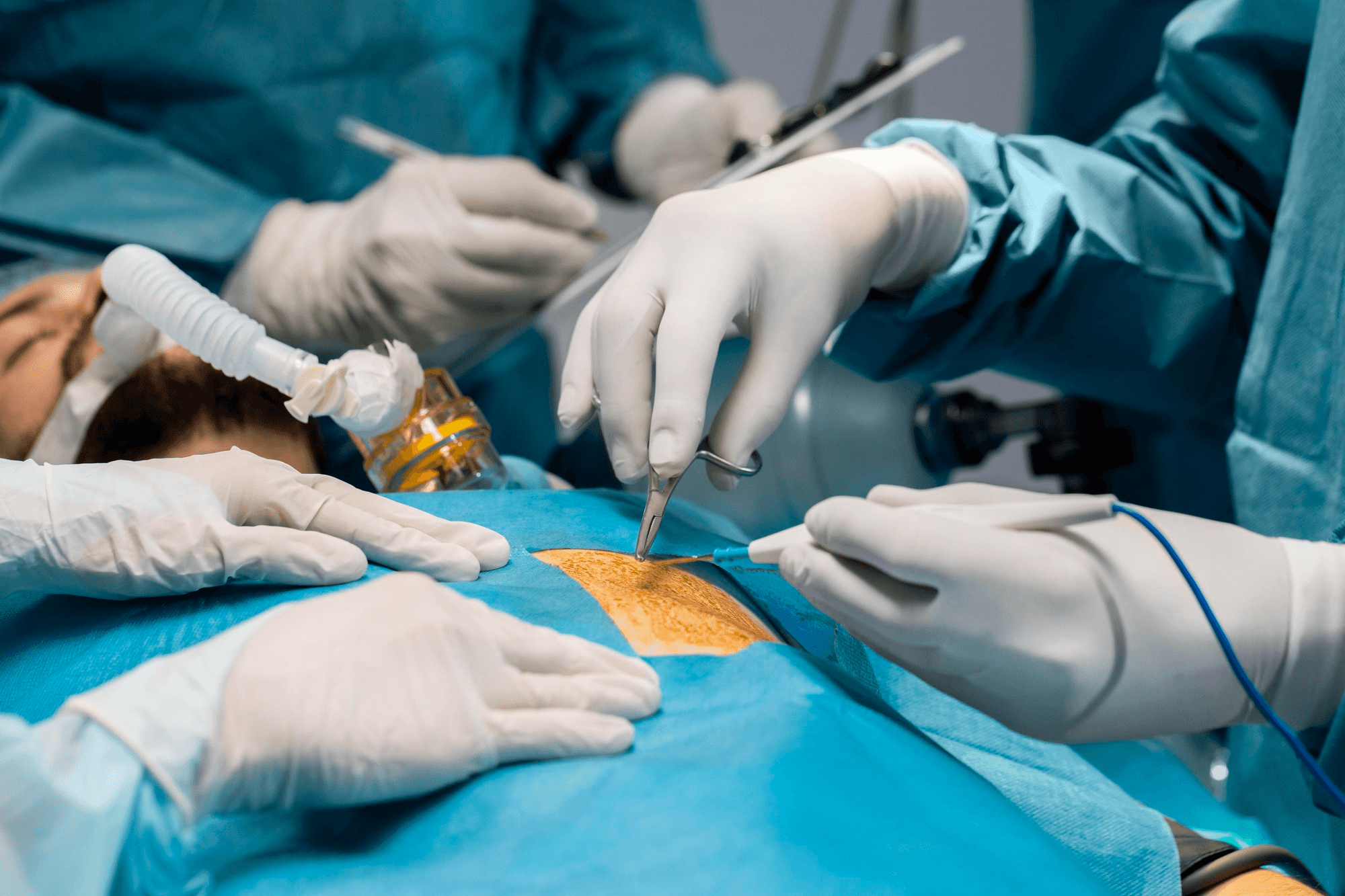
Focus is on the precise surgical tools inserted through the small incision by the surgeon during the minimally invasive operation.
2. Reduced Postoperative Pain
The reduced disturbance to muscles, nerves, and connective tissue decreases post-operative pain; thereby reducing reliance on opioid and non-opioid analgesics, and reducing the risk of medication-related side effects and increasing patient comfort and mobility.
3. Accelerated Recovery and Early Mobilisation
Faster mobility is achieved due to less surgical trauma, and encourages the prevention of complications such as deep vein thrombosis, pulmonary embolism, and muscle deconditioning.
Early return to function also allows patients to return to their previous work, social life, and activity patterns much earlier.
4. Less Prone to Infection
Smaller incisions and reduced exposure of the abdominal cavity and organs to the environment reduce the risk of microbial contamination, lowering the incidence of SSIs, which can be very significant in patients who are immunocompromised or suffer from long-term disease processes such as diabetes.
5. Minimal Bleeding
Advanced surgical instruments combined with effective magnification facilitate improved haemostasis, reducing intra-operative blood loss, reducing the need for blood transfusion, and lowering the associated complications of transfusion.
6. Shorter Hospital Admission
The rapid recovery achieved through minimally invasive surgery can result in patients requiring significantly shorter hospital admissions.
Procedures that would have traditionally required the patient to be admitted for 24-48 hours or longer may allow discharge within 24-48 hours and subsequent return home. This also reduces hospital costs and exposure to hospital-acquired infections.
7. Enhanced Surgical Precision
High-definition imaging and potentially robotic-assisted surgery increase visibility and allow the surgeon to perform more precise dissection and reduce the likelihood of damaging surrounding vital structures.
8. Less Tissue Trauma Overall
By manipulating the abdominal cavity using less aggressive techniques, the surrounding tissues are manipulated less, enhancing the healing capacity and decreasing the incidence of adhesions, etc., with the associated long-term improvement in patient outcomes.
Final Thoughts
Minimally invasive surgery marks a revolution in medical procedures, enabling patients to undergo treatments more safely, recover faster, and experience less discomfort. This reduced trauma, pain, and incidence of post-operative issues contributes to better results for a range of conditions. While their suitability varies, the increasing usage of these techniques is a testament to their efficacy and security. As technology evolves, expect even finer control and better patient care from minimally invasive surgery.
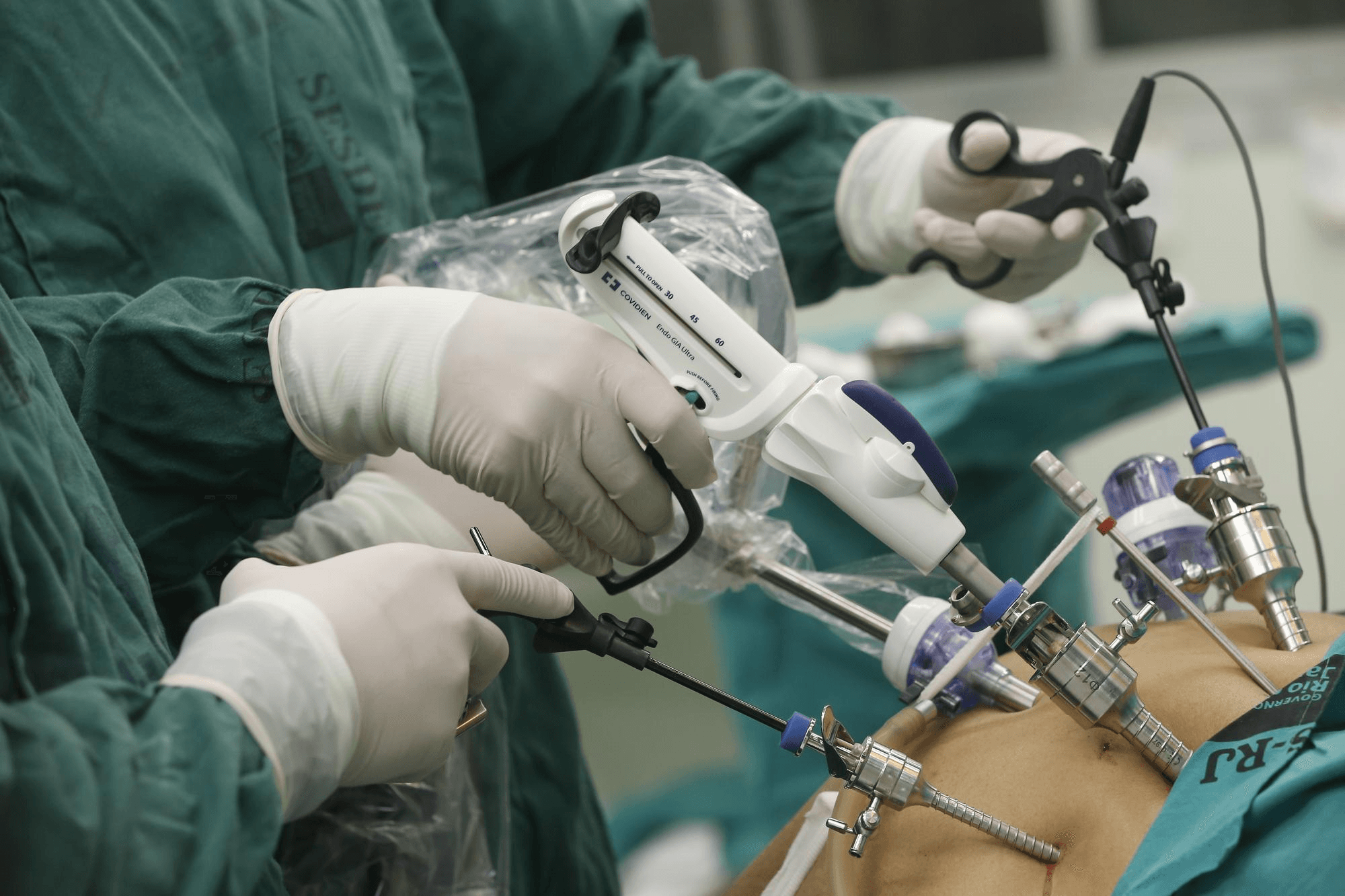
Highly skilled surgeons utilize modern, high-technology tools to improve outcomes for patients undergoing a procedure with the minimally invasive approach.
Expert Care With Dr. Shachi Singh
Are you considering advanced treatment options? If yes, then book your consultation with Dr. Shachi Singh today. As a distinguished gynecologist, obstetrician, and expert laparoscopic surgeon, she is committed to delivering precise, patient-centered care. Experience the advantages of advanced minimally invasive surgery for faster recovery and enhanced outcomes.
Frequently Asked Questions (FAQs)
1. What is the most frequently performed minimally invasive operation?
Laparoscopic surgery is the most frequent method of minimally invasive surgery performed and is routinely utilized during the removal of gallbladders (cholecystectomy), appendices (appendectomy), or hernias. The technique uses tiny incisions in the abdomen with the insertion of a laparoscope and surgical instruments, which allows a variety of operations within the abdomen with significantly less post-operative pain and immobility, leading to quicker functional recovery and reduced hospital admission time.
2. What are the downsides of minimally invasive surgery?
Minimally invasive surgery has several downfalls. Operating times can often be longer than open surgery in complex cases, as it relies on very specialized equipment which may not be readily available, and requires a lot of skill and experience from the surgeon. The tactile feel of the instruments is often reduced, and the field of vision can be more limited. Some patients may not be suitable for minimally invasive surgery, and during an operation, it can be necessary to convert to open surgery should complications arise, which necessitate a wider surgical exposure.
3. How quickly does one recover after minimally invasive surgery?
Recovery depends on the surgery performed and also on the individual, but it is usually significantly quicker than open surgery. Patients are often able to recommence low activity and walk within 1-2 days of surgery and then get back to their normal routine work within 1-3 weeks. Full healing takes up to several weeks. Encouraging early mobilization minimizes post-operative dangers such as deep vein thrombosis.
4. How safe is minimally invasive surgery?
Minimally invasive surgery can be as safe as open surgery, provided it is performed by well-trained surgeons and suitable patients have been selected appropriately. The rate of surgical site infection is often lower, as is the amount of blood loss and post-operative complications. Risks of surgery still exist, such as the possibility of a bleed, damage to organs, or the risk of anesthesia-associated complications, and as such, require thorough perioperative review and assessment of each patient.