PCOS Symptoms Every Woman Should Know
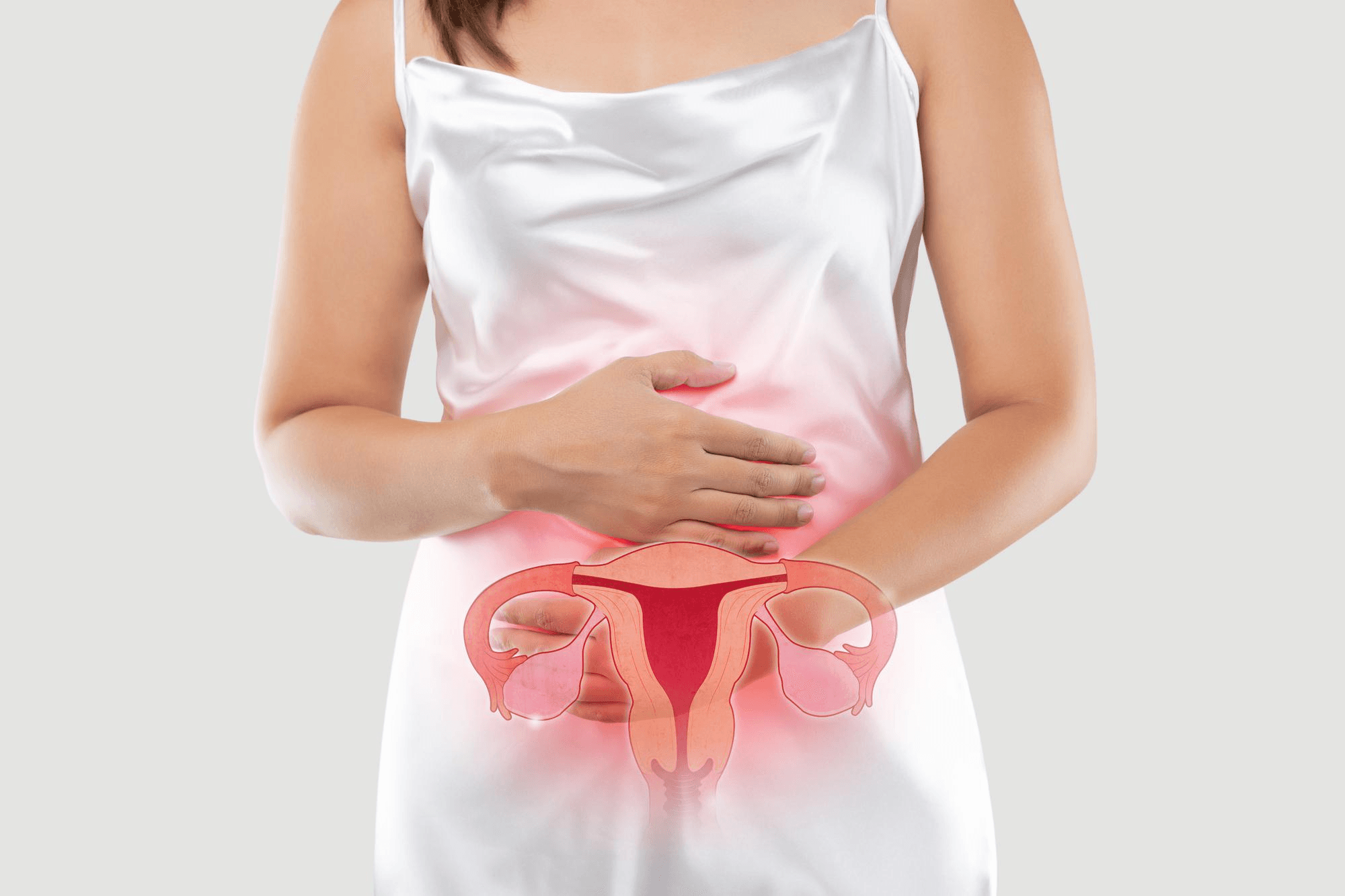
Illustration of a uterus on a woman’s stomach as she holds it, showing it may be the cause of her unexplained symptoms.
Ever find yourself staring at the calendar, confused about when your period will actually show up? Or maybe you’re frustrated with stubborn belly fat that just won’t budge, no matter how healthy you eat. You’re not alone. This could be PCOS- polycystic ovary syndrome, a hormonal disorder that affects around 1 in 10 women worldwide, and even more in India.
PCOS is about irregular periods, and it also messes with your insulin, bumps up your androgens, and can throw off ovulation, too. Catching it early matters. When you know what to look out for, you can avoid bigger problems down the road, like infertility or diabetes. So, recognising the signs is essential.
PCOS Symptoms
1. Irregular or Missed Periods
Irregular periods are one of the clearest signs of PCOS. Hormones get out of balance, and ovulation doesn’t happen regularly, so periods show up whenever they feel like it or disappear for months.
You might notice:
- Long stretches with no period at all
- Less than eight periods in a year
- Periods that just vanish for a while
- Cycles that don’t follow any pattern
When you don’t ovulate on schedule, the uterine lining just keeps building up. So when your period finally arrives, it can be much heavier than usual. If this keeps happening, it’s time to check in with a doctor.
2. Excess Facial and Body Hair (Hirsutism)
PCOS often goes hand-in-hand with higher androgen levels, which can make hair start growing in places women don’t usually have much.
Common spots include:
- Upper lip or chin
- Chest or stomach
- Lower back or thighs
- Around the nipples
This hair tends to be thicker and darker, and it grows faster than you’d expect. It’s tough on self-confidence and can feel pretty isolating.
3. Persistent Acne and Oily Skin
Hormones affect your skin, too. With PCOS, oil production ramps up, so acne sticks around long after the teenage years.
You might deal with:
- Frequent breakouts on your face
- Pimples showing up on your chest, shoulders, or upper back
- Skin that feels greasy, no matter how much you wash it
- Acne that just ignores your usual treatments
Hormonal acne usually pops up along the jawline and chin, and it can get worse right before your period.
4. Unexplained Weight Gain
PCOS makes weight management a real struggle, especially around your belly. Insulin resistance is a big piece of the puzzle.
You might notice:
- Extra belly fat, even if your diet hasn’t changed
- Losing weight feels impossible, no matter how much you try
- Feeling wiped out after eating
High insulin levels make your body store more fat and bump up androgen production, which only makes other symptoms worse.
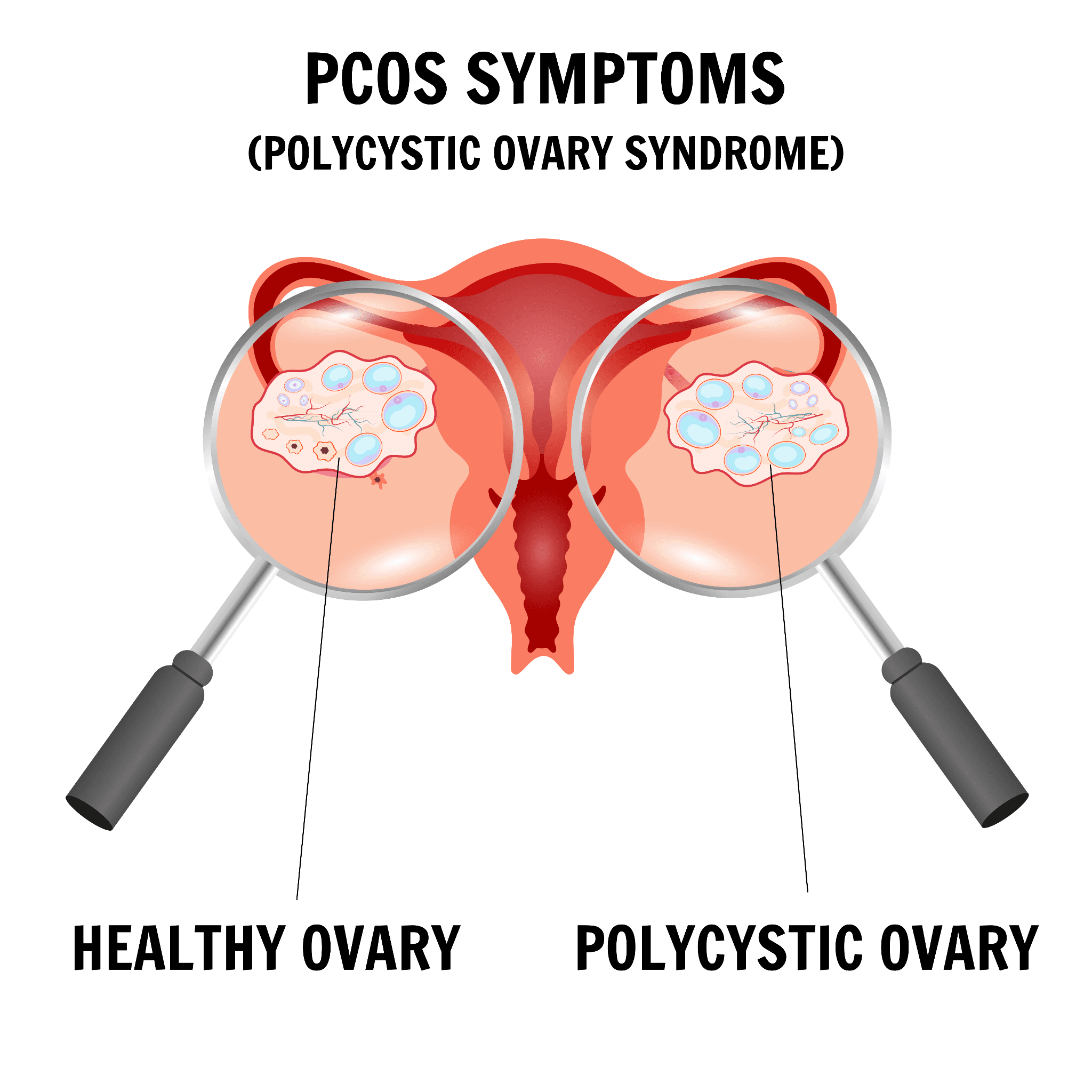
Infographic of a uterus showing the difference between a healthy and a polycystic ovary.
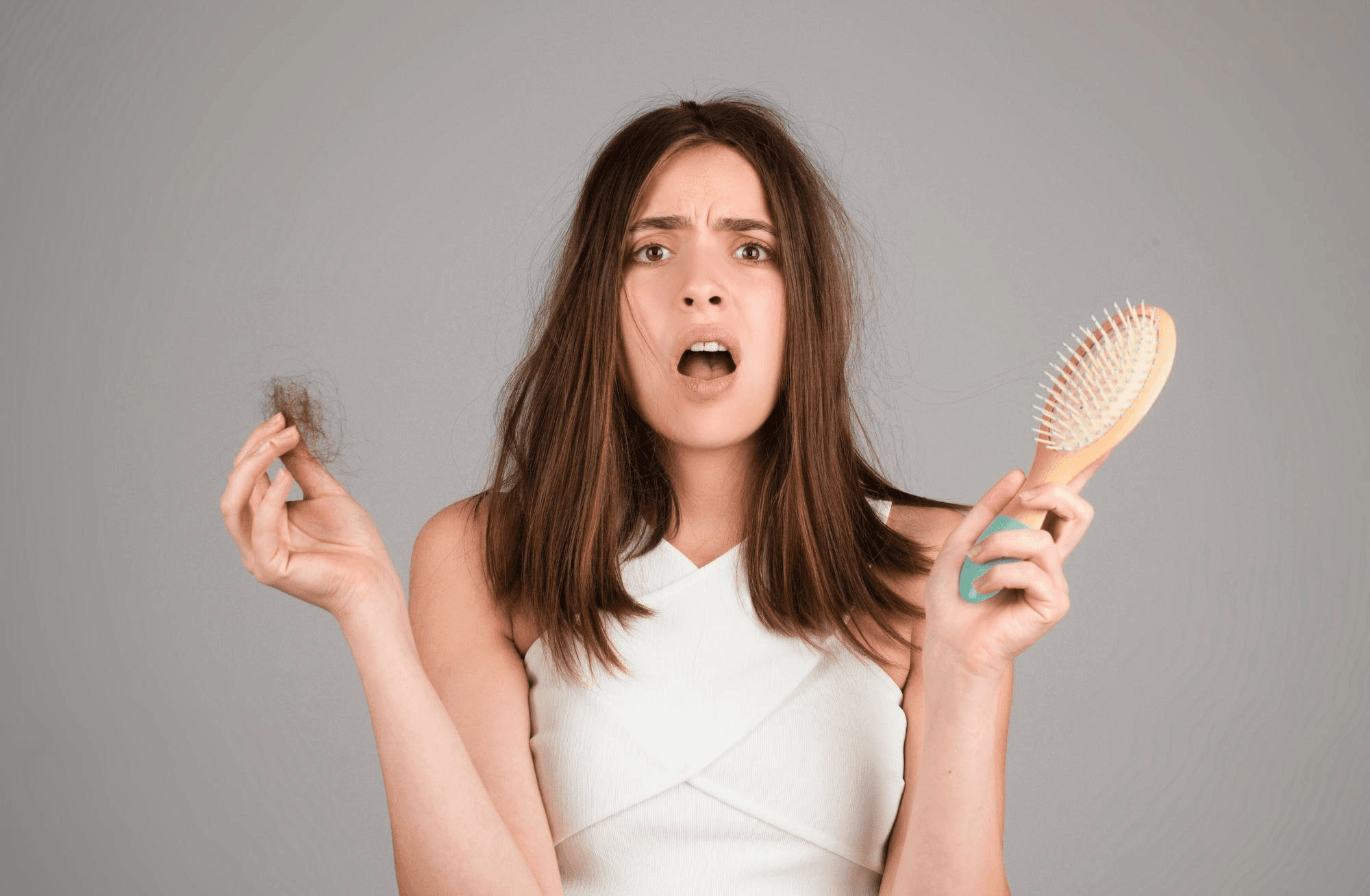
5. Thinning Hair or Hair Loss
While some areas sprout extra hair, the hair on your head can thin out. Hormone shifts hit your scalp and speed up hair shedding. Possible signs:
- Thinning hair on top of your head
- More hair falling out when you brush or shower
- A receding hairline, kind of like male-pattern baldness
This usually happens slowly, so it might take a while before it’s really noticeable.
6. Darkened Skin Patches
Insulin resistance can also show up on your skin as dark, velvety patches. Look for these spots:
- Back of your neck
- Under your arms
- Inner thighs
- The groin area, or where skin folds
These patches are called acanthosis nigricans, look thicker and darker than the rest of your skin, and they’re a sign your body’s metabolism is out of sync.
7. Difficulty Getting Pregnant
PCOS messes with ovulation, so getting pregnant can be tough. You might experience:
- Months of trying without success
- Long gaps between ovulation cycles
- Needing extra help from a fertility specialist
Catching PCOS early gives you better options and boosts your chances of conceiving.
8. Mood Changes and Fatigue
When hormones and metabolism are out of balance, your mood and energy can take a hit. You could notice:
- Mood swings
- Feeling tired most of the time
- Trouble focusing
- Anxiety or feeling down
Constant fatigue often comes from insulin resistance and hormone shifts that just wear you out. Spotting these symptoms early makes a huge difference. The sooner you get help, the sooner you can get your hormones back on track and start feeling better, physically and emotionally.
Woman suffering from severe PCOS symptoms and holding her stomach due to pain.
Simple Lifestyle Tips for Managing PCOD
1. Balanced Diet
Go for whole grains, plenty of veggies, fruits, lean proteins, and good fats. Cut back on refined sugar and processed stuff. Get enough fibre, it really helps keep your hormones in check.
2. Regular Physical Activity
Make time to walk, cycle, or do yoga for 30–40 minutes every day. Mix in some strength training too; it gives your metabolism a nice boost.
3. Stress Management
Try meditation, deep breathing, or anything that helps you relax. Keeping a steady, calm daily routine really supports your hormones.
4. Healthy Sleep Routine
Shoot for 7–8 hours of good sleep each night. Try to stick to a regular bedtime and wake-up time; it makes a difference.
When To Seek a Gynaecologist’s Help
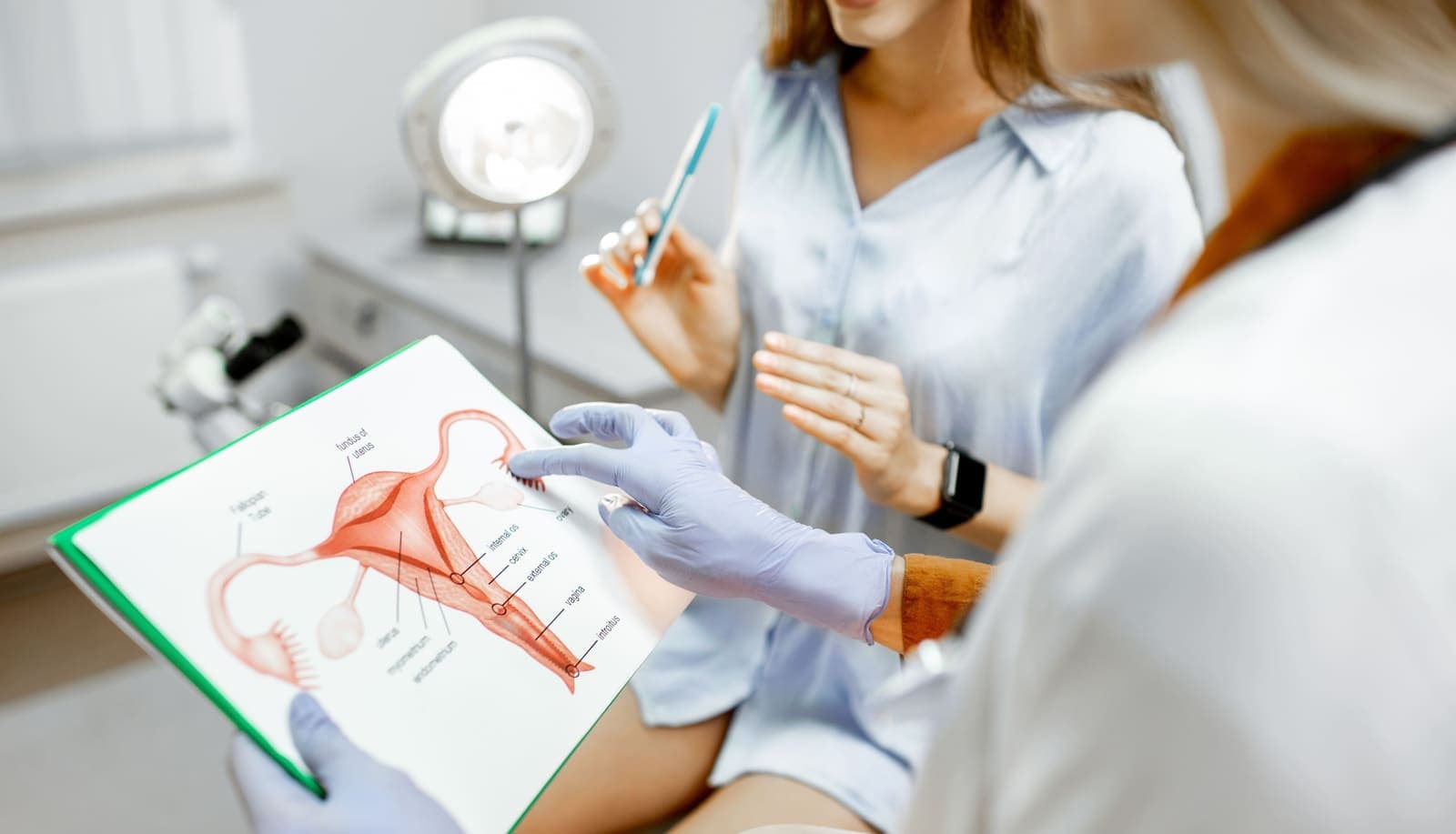
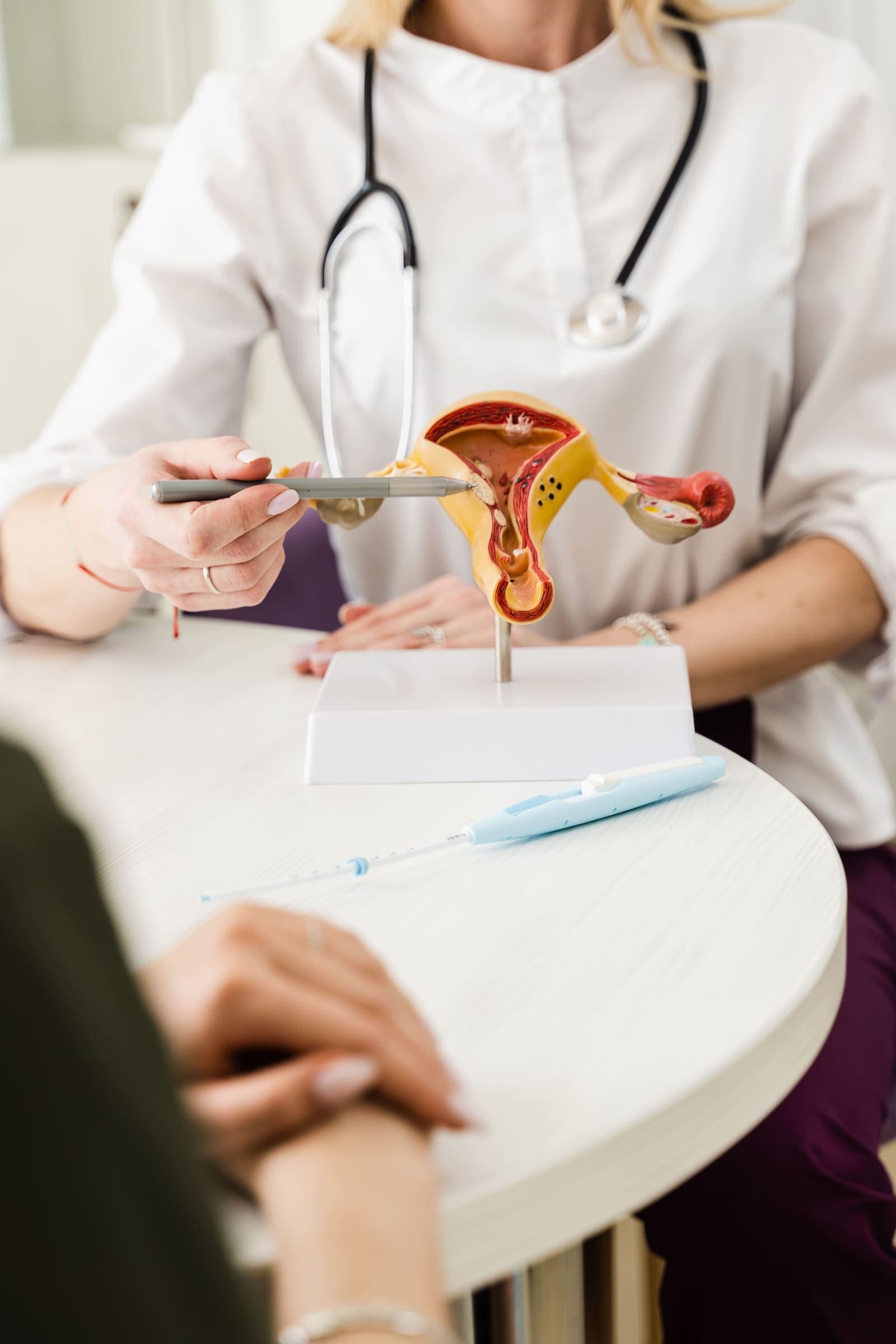
When PCOS symptoms start messing with your periods, your chances of getting pregnant, or just how you feel day to day, it’s time to consult a gynaecologist. Getting the right diagnosis and treatment early on really makes a difference. Here’s when you should reach out for help:
- Your periods are all over the place, keep skipping months, or you never know when they’ll show up.
- You’ve been trying to get pregnant, but it’s just not happening.
- You notice more hair on your face or body than usual, your acne gets worse, or your hair starts thinning on your scalp.
- You’re gaining weight for no obvious reason, especially around your belly.
- Your periods are super heavy or last way longer than they should.
- You often feel pain or discomfort in your pelvis, and it gets in the way of your normal life.
- Dark, velvety patches of skin show up on your neck, underarms, or other skin folds.
- You’re just tired all the time, your mood’s off, or your symptoms keep dragging you down.
If any of this sounds familiar, it’s important to book an appointment.
Final Thoughts
PCOS doesn’t always look the same for everyone. Maybe your periods are all over the place, or your skin’s breaking out more than usual. Some women struggle with their weight, and fertility can become a real challenge. Spotting these signs early really helps; it means you can get answers faster and find a way to manage things before they get worse.
Expert Care With Dr Shachi Singh
If you’re dealing with PCOS symptoms or just can’t figure out what’s going on with your hormones, it helps to consult someone who really understands. Dr Shachi Singh is a gynaecologist, obstetrician, and laparoscopic surgeon with lots of experience in women’s health and hormonal issues. She listens, she cares, and she’ll help you find a plan that fits your life.
Go ahead and book a consultation; it’s a solid step toward feeling healthy and balanced again.