Sleep Problems in Pregnancy: Why Sleep Gets Harder and What Actually Helps
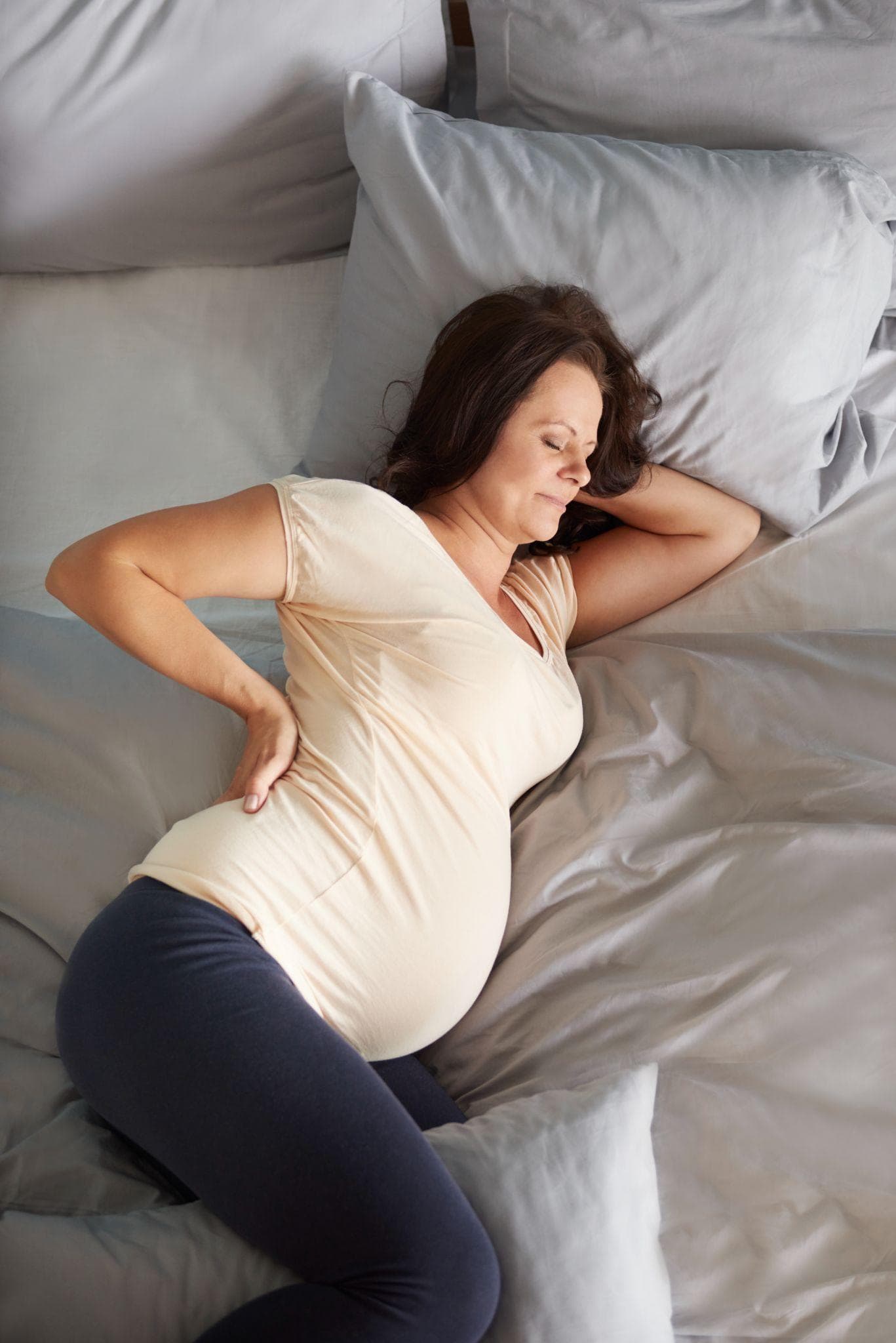
Sleep matters a lot during pregnancy
Ask any mother what surprised her most about pregnancy and sleep deprivation comes up repeatedly — not just after the baby arrives, but during the pregnancy itself. Studies show that between 78 and 80% of pregnant women experience disrupted sleep at some point, and the proportion reporting significant insomnia increases through the trimesters. By the third trimester, many women are surviving on fragmented, uncomfortable, light sleep and waking exhausted.
The irony is that pregnancy is a period when the body needs more rest than usual. The physical demands of growing another person, the hormonal shifts, and the emotional weight of impending parenthood all require good sleep. And good sleep becomes increasingly elusive.
Dr. Shachi Singh, consultant obstetrician at Prakash Hospital, Sector 33, Noida, explains what disrupts sleep in each trimester and what genuinely improves it.
First Trimester Sleep Problems
The first trimester is dominated by fatigue — many women feel sleepy at all hours, napping at their desks, falling asleep on the sofa at 8 PM. And yet, simultaneously, sleep quality declines.
Causes:
- Frequent urination: hCG stimulates the kidneys to produce more urine. Getting up once or twice per night is typical from the first weeks of pregnancy.
- Nausea: Nausea is rarely confined to morning. Many women feel nauseated at night or are woken by it.
- Breast tenderness: Soreness makes comfortable positioning harder.
- Anxiety: The first trimester carries significant uncertainty — miscarriage risk is highest, symptoms are strange, and the reality of pregnancy is often still absorbing emotionally. Anxiety at night is common.
- Progesterone effects: Progesterone has a sedating effect (hence the daytime fatigue) but also fragments sleep architecture — lighter, less restorative sleep.
Second Trimester Sleep
The second trimester is often the best sleep phase of pregnancy. Nausea has typically eased. The uterus is not yet large enough to significantly compress internal structures. Many women find sleep improves noticeably in weeks 14 to 26.
However, new disruptions emerge:
- Leg cramps — often at night, typically in the calves. Caused by increased blood volume, the mechanical effects of the growing uterus on pelvic veins, and possibly magnesium and calcium changes. Very common and very disruptive.
- Heartburn — the progesterone-relaxed lower oesophageal sphincter allows stomach acid to reflux when lying flat. Worse after large meals and at night.
- Vivid dreams — extremely common in pregnancy, related to hormonal changes and altered sleep architecture. Waking from vivid or disturbing dreams contributes to sleep fragmentation.
- Restless legs syndrome — an uncomfortable urge to move the legs, typically worse at night and when resting. More common in pregnancy, associated with iron deficiency.
Third Trimester Sleep: The Most Challenging Phase
The third trimester is where sleep problems peak — for good anatomical reason. By 32 to 36 weeks, the uterus is large, the baby is active, the back aches, and comfortable sleep positions are dramatically limited.
Main disruptors:
- Physical size and discomfort: The abdomen is large. Back pain and pelvic girdle pain make position changes painful. Getting in and out of bed requires effort.
- Frequent urination: Returns with intensity — the baby's head descending into the pelvis directly compresses the bladder. Some women urinate 3 to 5 times per night.
- Fetal movement: The baby is most active in the evening and early morning. Kicks, rolls, and hiccups at 2 AM are effective at waking even heavy sleepers.
- Heartburn and reflux: Worse in the third trimester as the uterus pushes the stomach upward.
- Restless legs syndrome: Often worsens in the third trimester.
- Shortness of breath: The growing uterus pushes the diaphragm upward, reducing lung capacity when lying flat.
- Sleep apnoea: Pregnancy increases the risk of obstructive sleep apnoea — particularly in women who are overweight, who have nasal congestion, or who gain significant weight in pregnancy. Sleep apnoea in pregnancy is associated with gestational hypertension, gestational diabetes, and fetal growth restriction. Loud snoring new to pregnancy, particularly with gasping or witnessed apnoeic episodes, should be assessed.
What Is Safe to Take for Sleep in Pregnancy
This is the question women frequently ask and frequently cannot get a clear answer to.
Safe and recommended:
- Sleep hygiene measures (see below) — first-line, always
- Antihistamines: Diphenhydramine (the sedating antihistamine) is generally considered safe in pregnancy for short-term use. Widely used in many countries for pregnancy insomnia. Discuss with your doctor before using.
- Doxylamine: Used specifically for pregnancy nausea but also has sedating properties. Used under medical guidance.
Avoid:
- Benzodiazepines (diazepam, lorazepam) — associated with neonatal withdrawal and respiratory depression
- Zolpidem and similar sleeping tablets — not established as safe in pregnancy
- Alcohol as a sleep aid — harmful to the fetus at any dose
Melatonin: Widely used outside pregnancy for sleep regulation. Evidence in pregnancy is limited. Most guidelines advise caution — discuss with your doctor if considering it.
What Actually Helps: Practical Strategies
1. Sleep Position
Sleeping on the left side is the recommended position from the second trimester. Left lateral positioning reduces compression of the inferior vena cava, improving blood return to the heart and placental blood flow.
The key supporting tool: a pillow between the knees reduces pelvic rotation and relieves sacroiliac and back pain significantly. A pillow under the abdomen provides additional support. Long pregnancy pillows that support both the belly and the space between the knees (available online in India) make a real difference to third-trimester comfort.
2. Manage Night-time Urination
Reduce fluid intake in the 2 hours before bed — drink the bulk of the day's fluid during the day. Empty the bladder completely before lying down. When waking to urinate at night, keep lights low and return to bed immediately rather than fully waking.
3. Heartburn Management
Eat smaller meals in the evening. Avoid eating in the 2 to 3 hours before lying down. Prop the head of the bed slightly (a wedge pillow works, or elevate the bed head with books under the legs). Safe antacids in pregnancy include calcium carbonate (Digene, Gelusil) and alginate-based preparations (Gaviscon).
4. Leg Cramps
Stretching the calf before sleep — standing facing a wall, heel on the floor, gentle stretch — reduces night cramps. Adequate calcium and magnesium intake may help. When a cramp strikes at night: flex the foot (pull toes toward the shin) and massage the calf firmly.
5. Sleep Hygiene
Standard sleep hygiene principles apply and work in pregnancy:
- Consistent sleep and wake times — even when sleep quality is poor
- Cool, dark room — India's heat significantly disrupts sleep; a fan or air conditioning helps
- Screen time reduction an hour before bed — phone and tablet light suppresses melatonin
- A calming pre-sleep routine — warm shower, gentle stretching, reading, relaxation breathing
6. Daytime Naps
Short naps (20 to 30 minutes) during the day manage fatigue without significantly disrupting night sleep. Longer naps make it harder to fall asleep at night. The Indian tradition of a short afternoon rest during pregnancy has practical physiological basis.
7. Pregnancy Yoga and Relaxation
Regular prenatal yoga improves sleep quality in pregnancy — multiple studies confirm this. Even 20 minutes of gentle yoga or deep breathing before bed reduces sleep onset time and improves subjective sleep quality.
When Restless Legs Syndrome Needs Assessment
Restless legs syndrome in pregnancy is associated with iron deficiency in many cases. Women with RLS should have their haemoglobin and serum ferritin checked — iron treatment can significantly improve symptoms. In women with severe RLS, specialist assessment is appropriate.
Antenatal Care in Noida and Greater Noida
Dr. Shachi Singh at Prakash Hospital, Sector 33, Noida, addresses sleep disruption, restless legs, heartburn, and all pregnancy discomforts as part of comprehensive antenatal care for women across Noida and Greater Noida.
To book a consultation with Dr. Shachi Singh, call: +91 97023 46853
Clinic Hours: Monday to Saturday, 9 AM – 6 PM | Sunday, 10 AM – 2 PM
Clinic Address: D-12A, 12B, Sector-33, G.B. Nagar, Noida, Uttar Pradesh 201301
Frequently Asked Questions
1. Is it safe to sleep on my back during pregnancy?
After the first trimester, prolonged flat back sleeping compresses the inferior vena cava and reduces blood return to the heart. Side sleeping (preferably left side) is recommended. Brief periods on the back — when turning over, or propped up slightly — are not acutely harmful.
2. Why does pregnancy cause such vivid dreams?
Hormonal changes alter sleep architecture, increasing REM sleep (the dream phase) proportionally and causing more memorable dreams. Emotional processing of impending parenthood also contributes. Vivid or disturbing pregnancy dreams are common and normal.
3. Is new loud snoring in pregnancy concerning?
New-onset significant snoring in pregnancy — particularly with witnessed pauses in breathing or excessive daytime sleepiness — should be assessed. Pregnancy-related sleep apnoea is associated with gestational hypertension and GDM and can be managed safely in pregnancy.
4. Can lack of sleep harm the baby?
Poor sleep in pregnancy is associated with longer labour, increased caesarean rates, and slightly higher rates of pregnancy complications. However, the occasional bad night does not harm the baby. The strategies above help maximise what sleep is achievable.
This blog is written for educational and informational purposes only. Please consult Dr. Shachi Singh or a qualified obstetrician for guidance specific to your pregnancy.