Prenatal Vitamins: Which Supplements Are Actually Needed During Pregnancy
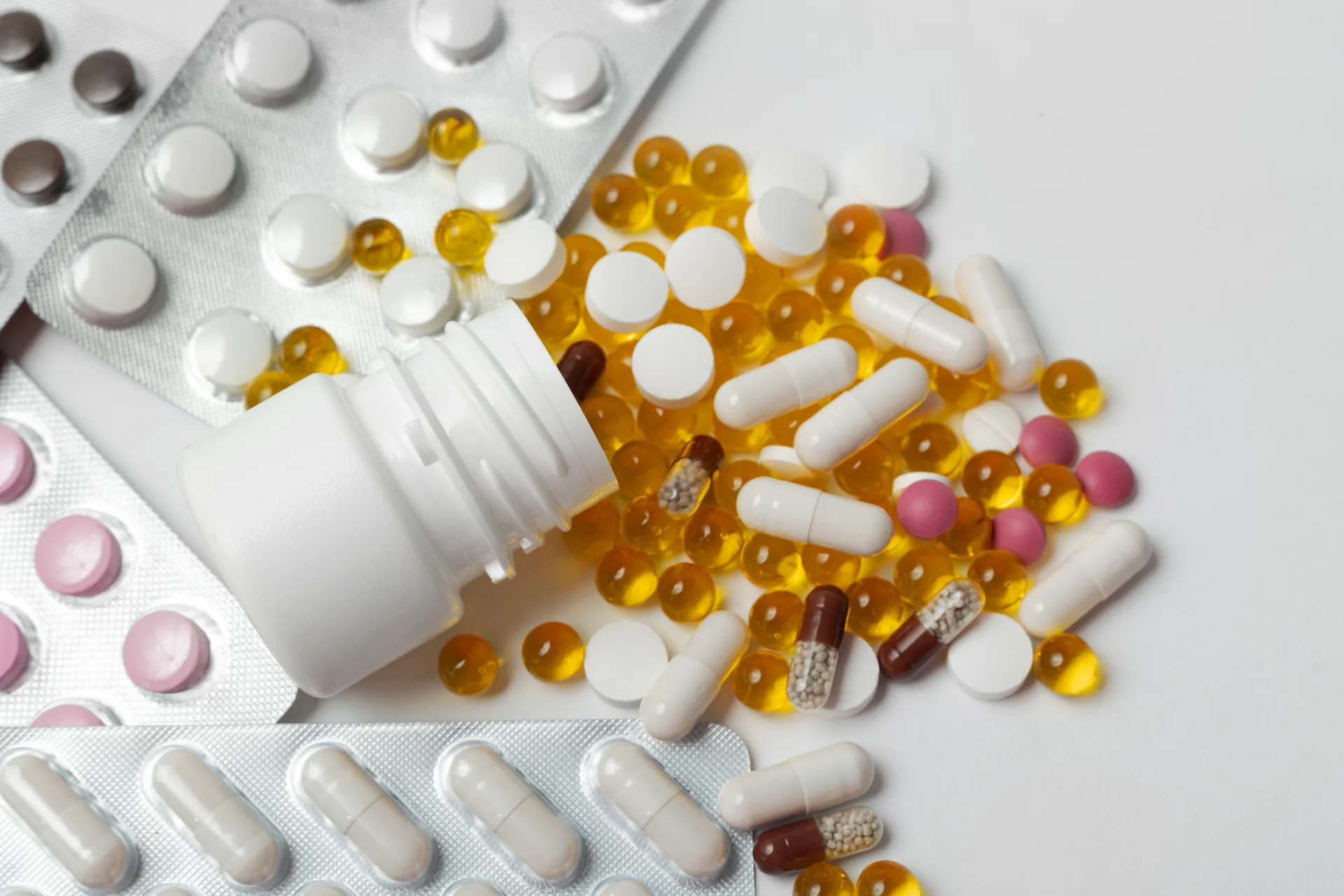
Prenatal vitamin tablets alongside key pregnancy supplements, illustrating the vitamins and minerals commonly recommended for a healthy pregnancy
Walk into any pharmacy in India as a pregnant woman and you will be handed a list of supplements that can feel overwhelming — folic acid, iron, calcium, Vitamin D, DHA, iodine, Vitamin C, zinc, and more. Some of these are prescribed by your doctor. Some are recommended by relatives. Some are marketed directly to pregnant women.
Not all of them are equally necessary. And not all pregnancy supplement formulations on the market in India are well-designed or honestly marketed. Understanding what is genuinely needed — and why — helps you take what matters and avoid unnecessary expense and pill burden.
Dr. Shachi Singh, consultant obstetrician at Prakash Hospital, Sector 33, Noida, clarifies which supplements are essential, which benefit specific groups, and which are generally unnecessary for healthy women with adequate diets.
The Essentials: Every Pregnant Woman Needs These
1. Folic Acid (Folate)
Why it is non-negotiable: Folic acid is essential for neural tube development — the structure that becomes the baby's brain and spinal cord. Neural tube formation occurs in the first 4 weeks of pregnancy, often before a woman even knows she is pregnant. Folic acid supplementation must begin before conception.
Dose:
- Standard: 400 micrograms (0.4 mg) daily
- Higher-risk women (previous neural tube defect pregnancy, diabetes, epilepsy on certain medications, obesity): 5 mg daily — discuss with your doctor
When to start: Ideally 1 to 3 months before conception and continue through the first trimester (at minimum). Many guidelines recommend continuing through the entire pregnancy.
Indian diet note: Folate is found in green leafy vegetables (palak, methi), lentils, fortified cereals, and citrus fruits. However, cooking destroys much of the natural folate in food, and dietary intake alone is not reliably sufficient to meet pregnancy requirements. Supplementation is necessary regardless of diet quality.
2. Iron
Why it is needed: Pregnancy increases iron requirements dramatically — the growing baby, the placenta, and the expanded blood volume all require iron. Most Indian women enter pregnancy with borderline iron stores, and many become anaemic without supplementation.
Dose: 60 mg elemental iron daily is the standard Government of India recommendation. Higher doses are prescribed when anaemia is identified.
When to start: From the first antenatal visit.
Best absorption: Take on an empty stomach with Vitamin C (orange juice, amla, lemon water). Avoid tea and coffee within an hour of the iron tablet.
Common side effect: Constipation and dark stools — both normal with iron supplementation.
3. Vitamin D
Why it is needed: Vitamin D is essential for fetal bone mineralisation, immune development, and brain development. It is also essential for maternal bone health. India has paradoxically high rates of Vitamin D deficiency despite abundant sunlight — because of dark skin, indoor work, covered clothing, and air pollution reducing effective UV exposure.
Recommended dose in pregnancy: At minimum 600 IU per day (the standard recommendation). Many experts recommend 1000 to 2000 IU for Indian women given the high deficiency prevalence. If blood tests confirm deficiency, higher therapeutic doses are prescribed.
Testing: A 25-OH Vitamin D blood test identifies deficiency and guides dosing.
4. Iodine
Why it is needed: Iodine is essential for fetal thyroid hormone production, and thyroid hormones are critical for fetal brain development. Iodine deficiency in pregnancy causes cretinism — a severe, preventable form of intellectual disability.
Indian context: The mandatory iodisation of salt in India has substantially reduced iodine deficiency, but consumption of iodised salt varies. Pregnant women should use iodised salt and can take an iodine supplement (150 mcg daily as potassium iodide) if recommended by their doctor.
Beneficial for Many Women: Based on Individual Assessment

Woman taking calcium supplements.
1. Calcium
Why it may be needed: The fetal skeleton requires significant calcium. If maternal calcium intake is inadequate, calcium is drawn from maternal bone stores. Indian diets — particularly in women who do not consume much dairy — may be calcium-deficient.
Sources: Dairy (dahi, paneer, milk — the most accessible for most Indian women), sesame seeds (til), ragi, and green leafy vegetables.
Supplement: 500 to 1000 mg calcium daily if dietary intake is insufficient. Separate from iron — calcium reduces iron absorption when taken together. Take calcium with meals; take iron on an empty stomach.
2. Omega-3 (DHA)
Why it is recommended: DHA (docosahexaenoic acid) is a long-chain omega-3 fatty acid essential for fetal brain and retinal development. The fetal brain accumulates DHA rapidly, particularly in the third trimester.
Sources: Fatty fish (sardine, mackerel, salmon) — the richest dietary source. For vegetarians and vegans: algae-based DHA supplements directly source DHA from the algae that fish themselves eat.
Dose: 200 to 300 mg DHA daily is generally recommended in pregnancy. Higher doses in some guidelines for specific groups.
Indian context: Many vegetarian Indian women have low DHA intake — an algae-based DHA supplement is appropriate for vegetarians who do not eat fish.
3. Vitamin B12
Essential for strict vegetarians and vegans. B12 is found almost exclusively in animal products. Strict vegetarians (who consume dairy but not eggs may have adequate B12; strict vegans usually do not) are at risk of deficiency. B12 deficiency causes megaloblastic anaemia and affects fetal neurological development.
Testing for B12 is appropriate for any pregnant woman following a strictly plant-based diet.
Typically Not Necessary for Healthy Well-Nourished Women
1. Vitamin C (high-dose supplements)
The pregnancy requirement for Vitamin C is easily met through diet — citrus fruits, amla (extremely rich in Vitamin C), guava, tomatoes. Supplemental Vitamin C beyond a small amount in a prenatal multivitamin is not necessary for most Indian women with reasonable diets.
2. Zinc
Zinc requirements increase modestly in pregnancy. Deficiency is not common in women eating a varied diet that includes dal, nuts, seeds, and whole grains. Zinc supplementation as a separate supplement is not routinely recommended unless deficiency is identified.
3. Vitamin E
Not routinely recommended as a pregnancy supplement. High-dose supplementation is not recommended and was associated with adverse outcomes in some studies.
4. Herbal supplements marketed for pregnancy
Many herbal and Ayurvedic supplements are marketed for pregnancy in India with claims of supporting the baby's development or fair complexion (particularly saffron and chyawanprash variations). Most have no clinical evidence for the claimed benefits, and some have not been safety-tested in pregnancy. Approach herbal supplements in pregnancy with caution and discuss with your obstetrician before taking anything not specifically prescribed.
Prenatal Multivitamin Supplements
Many women prefer taking a single prenatal multivitamin rather than multiple separate supplements. Comprehensive prenatal vitamins that include folic acid, iron, calcium, Vitamin D, B12, DHA, and iodine in appropriate doses are a practical and well-designed option. The quality of formulation varies between brands — your obstetrician can advise on appropriate options.
Antenatal Care in Noida and Greater Noida
Dr. Shachi Singh at Prakash Hospital, Sector 33, Noida, provides personalised supplement prescriptions as part of comprehensive antenatal care — based on blood test results, dietary assessment, and individual risk factors — for women across Noida and Greater Noida.
To book a consultation with Dr. Shachi Singh, call: +91 97023 46853
Clinic Hours: Monday to Saturday, 9 AM – 6 PM | Sunday, 10 AM – 2 PM
Clinic Address: D-12A, 12B, Sector-33, G.B. Nagar, Noida, Uttar Pradesh 201301
Frequently Asked Questions
1. When should I start taking folic acid?
Ideally 1 to 3 months before conception. If you find out you are pregnant and have not started — begin immediately. Continue through at least the first trimester.
2. Can I take all my pregnancy supplements together?
Not ideally — calcium and iron should be separated as calcium reduces iron absorption. Take iron on an empty stomach in the morning with Vitamin C. Take calcium with food at a different time of day.
3. Do I need to take all the supplements my doctor prescribed even if I feel well?
Yes. Many nutritional deficiencies in pregnancy (Vitamin D, iron in early stages, iodine) produce no symptoms until they are significant. The supplements are prescribed based on physiological requirements, not symptoms.
4. Is it safe to take more than one prenatal supplement at a time?
Doubling supplements can lead to excess of fat-soluble vitamins (A, D, E, K) which accumulate in the body. Take what is prescribed. If switching brands of prenatal vitamins, do not add individual supplements on top without checking for duplication with your doctor.
This blog is written for educational and informational purposes only. Please consult Dr. Shachi Singh or a qualified obstetrician for supplement recommendations specific to your nutritional status and pregnancy.