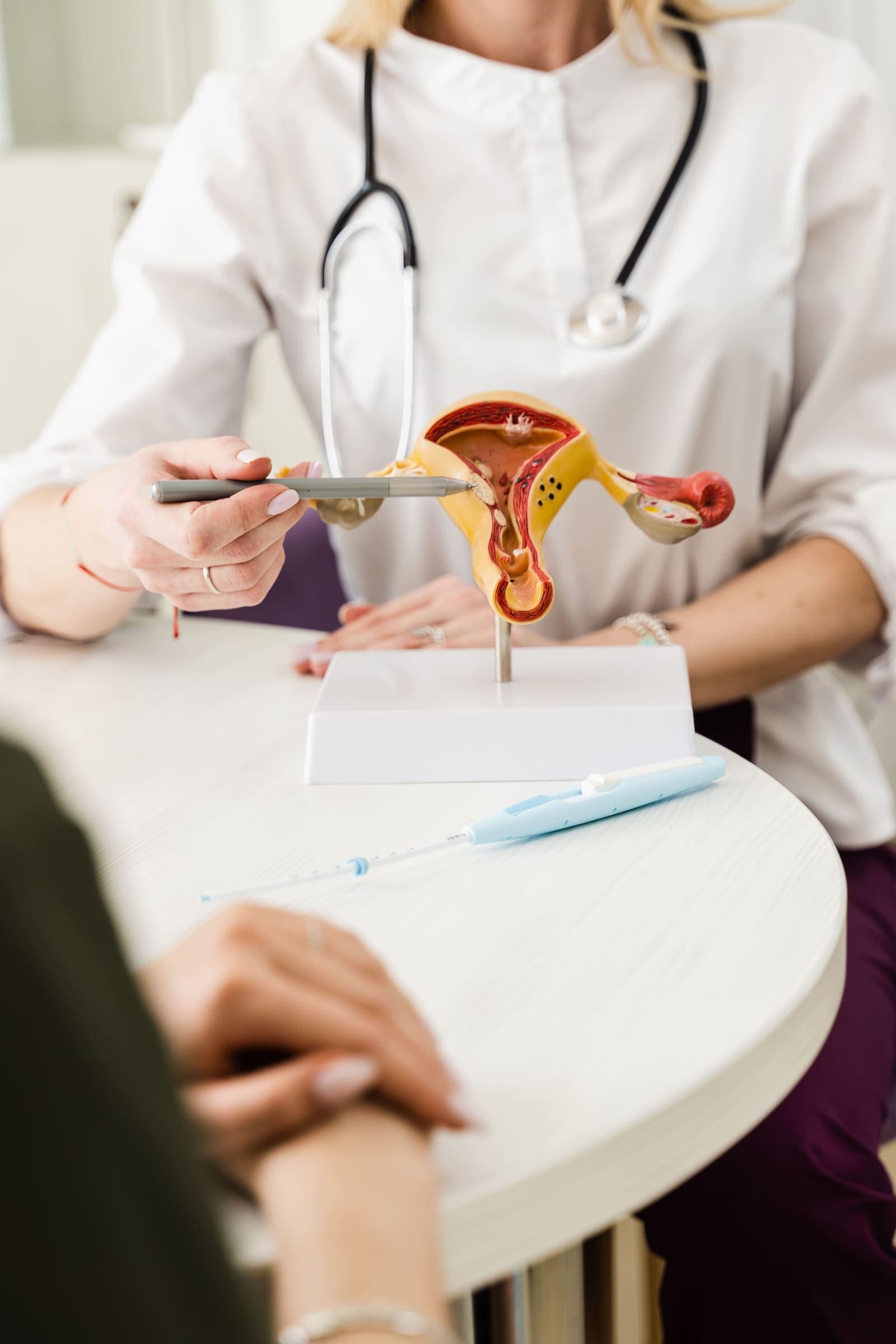
Painful Sex in Women: What Causes It and What Can Be Done
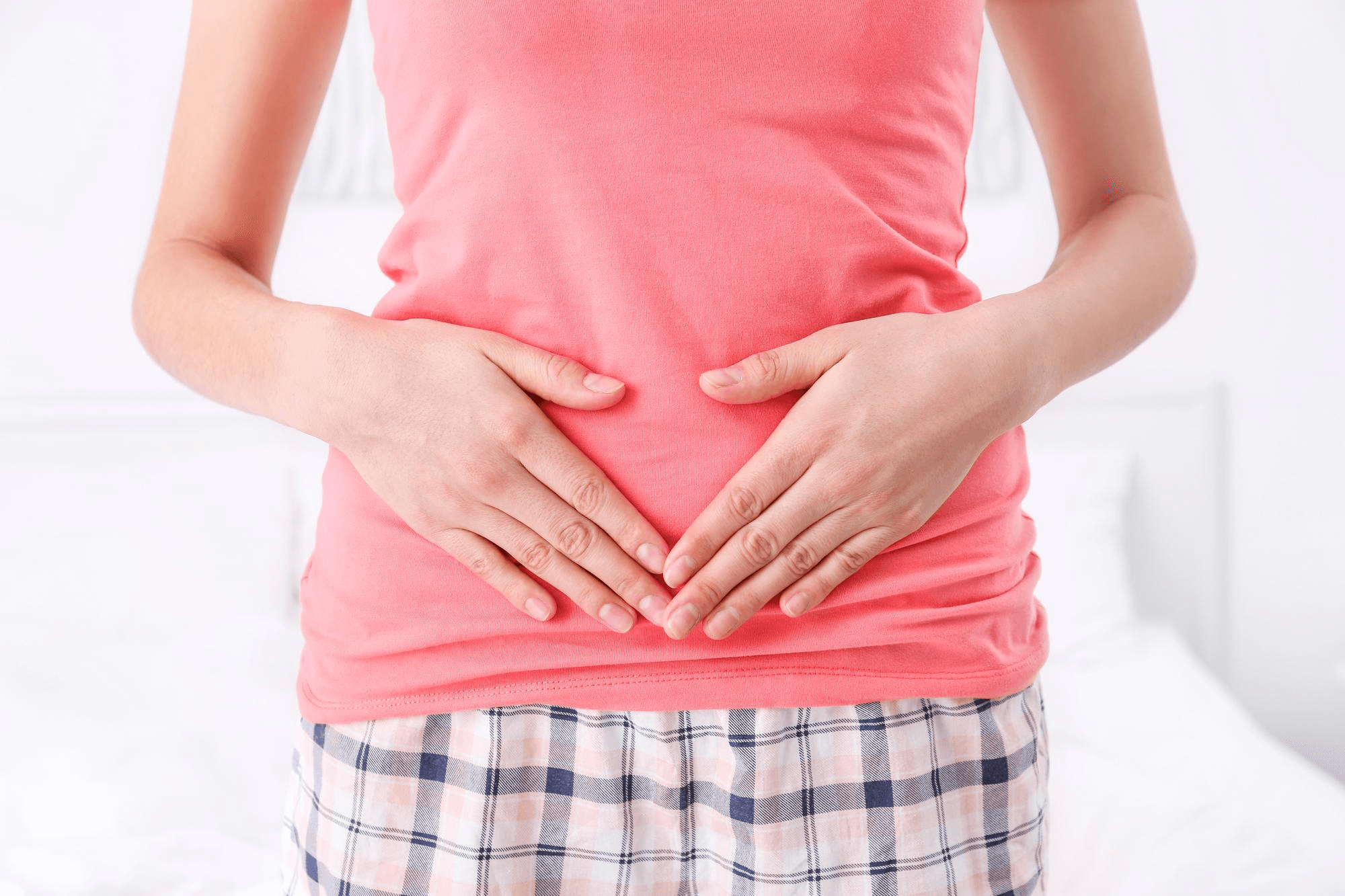
Woman gently putting her hands above her abdomen.
Pain during sexual intercourse — medically called dyspareunia — is one of the most undertreated gynaecological symptoms. Surveys consistently find that between 10 and 20% of women of reproductive age experience it, with higher rates in postmenopausal women. And yet the majority do not report it to a doctor — because of embarrassment, because they have been told it is normal, or because they assume nothing can be done.
None of these reasons are good enough to accept persistent pain during sex. It is not normal. It is not inevitable. And in most cases, there is an identifiable cause and an effective treatment.
Dr. Shachi Singh, consultant gynaecologist at Prakash Hospital, Sector 33, Noida, explains the causes, assessment, and treatment of dyspareunia.
Superficial vs Deep Dyspareunia
The first distinction that guides the clinical assessment is where the pain is felt:
1. Superficial dyspareunia (entry pain): Pain at the vaginal entrance or just inside — felt on initial penetration. Causes are typically in the vulvar skin, the vaginal introitus, the hymenal tissue, or the superficial vaginal musculature.
2. Deep dyspareunia: Pain felt deeper in the pelvis during deep penetration — in the upper vagina, cervix, or pelvic organs. Causes are typically internal pelvic pathology — endometriosis, pelvic adhesions, ovarian cysts, uterine fibroids, pelvic inflammatory disease.
Some women have both components simultaneously.
Causes of Superficial (Entry) Pain
1. Vaginal dryness and atrophy: The most common cause in postmenopausal women and breastfeeding women. Oestrogen deficiency causes the vaginal mucosa to thin, lose lubrication, and become easily irritated. Entry is painful because the vaginal walls lack adequate lubrication and elasticity. Treatment: local vaginal oestrogen (cream or pessary) — safe, effective, and the treatment of choice.
2. Vaginismus: Involuntary, reflex contraction of the pelvic floor and vaginal muscles that makes penetration painful or impossible. Can be primary (never been able to achieve comfortable penetration) or secondary (developed after previously pain-free intercourse, often following a painful experience, trauma, childbirth, or infection). Treatment: pelvic floor physiotherapy, graduated vaginal trainers (dilators), psychological support. Highly treatable.
3. Vulvodynia: Chronic vulvar pain — burning, stinging, or raw sensation at the vulvar entrance — without an identifiable skin condition. Often worsens with touch or pressure. The cause is multifactorial — neuropathic pain mechanisms, pelvic floor dysfunction, and psychological factors are all involved. Management: topical local anaesthetic, pelvic floor physiotherapy, low-dose tricyclic antidepressants for neuropathic pain, psychological support.
4. Vulvar vestibulitis / vestibulodynia: A specific form of vulvodynia where pain is localised to the vestibule — the area just inside the vaginal opening. Exquisitely tender to touch. Often identified with the Q-tip test.
5. Perineal scarring: Scars from episiotomy, perineal tears, or previous gynaecological surgery can cause tightness and pain at the vaginal entrance.
6. Vaginal infections: Active thrush (candidiasis), bacterial vaginosis, or herpes cause vulvovaginal inflammation and pain with intercourse. Treating the underlying infection resolves the pain.
7. Skin conditions: Lichen sclerosus, lichen planus, or contact dermatitis affecting the vulvar skin can cause entry pain from skin fragility and inflammation.
Causes of Deep (Penetration) Pain
1. Endometriosis: The most important cause of deep dyspareunia. Endometriotic deposits on the uterosacral ligaments, the Pouch of Douglas, and the rectovaginal septum are directly compressed during deep penetration, causing sharp or aching deep pain — often described as "feeling bruised inside." Typically worse premenstrually. Laparoscopic excision of endometriotic deposits significantly improves deep dyspareunia.
2. Pelvic adhesions: Scar tissue tethering the uterus, ovaries, or bowel causes pain when these structures are moved or compressed during intercourse.
3. Ovarian cysts: A large or appropriately positioned ovarian cyst can be compressed during deep penetration.
4. Uterine fibroids: Particularly fibroids in the posterior uterine wall or broad ligament.
5. Pelvic inflammatory disease: Active or chronic PID causes pelvic tenderness that worsens with movement including intercourse.
6. Retroverted uterus: The uterus normally tilts forward. In some women it tilts backward (retroversion) — either a normal variant or the result of adhesions from endometriosis. In a retroverted uterus, deep penetration can cause discomfort. Position change (woman on top, allowing depth control) often helps.
Interstitial cystitis: Bladder pain syndrome that causes deep pelvic pain with intercourse alongside urinary symptoms.
Assessment
A thorough assessment of dyspareunia includes:
- Detailed symptom history — location, timing, onset (superficial or deep), relationship to menstrual cycle, duration, triggers
- Gynaecological examination — vulvar inspection, bimanual pelvic examination assessing uterine size and mobility, adnexal tenderness, and Pouch of Douglas tenderness
- Speculum examination — cervical appearance, vaginal walls
- Swabs if infection is suspected
- Transvaginal ultrasound
- Laparoscopy if endometriosis or pelvic pathology is suspected and not adequately assessed by imaging
Treatment Approaches
Treatment is cause-specific:
- Vaginal atrophy: Local oestrogen
- Vaginismus: Pelvic floor physiotherapy and graduated dilators
- Endometriosis: Hormonal management or laparoscopic excision
- Infection: Appropriate antimicrobial treatment
- Vulvodynia/vestibulodynia: Multimodal — physiotherapy, topical local anaesthetic, neuropathic pain medication, psychological support
- Adhesions: Laparoscopic adhesiolysis
- Skin conditions: Specialist dermatological or gynaecological treatment
Avoiding intercourse when it is painful is understandable but prolongs the problem — the fear-avoidance cycle worsens vaginismus specifically, and the underlying cause of other types of pain requires treatment, not avoidance.
Gynaecological Care in Noida and Greater Noida
Dr. Shachi Singh at Prakash Hospital, Sector 33, Noida, assesses and manages painful intercourse for women across Noida and Greater Noida.
To book a consultation with Dr. Shachi Singh, call: +91 97023 46853
Clinic Hours: Monday to Saturday, 9 AM – 6 PM | Sunday, 10 AM – 2 PM
Clinic Address: D-12A, 12B, Sector-33, G.B. Nagar, Noida, Uttar Pradesh 201301
This blog is written for educational and informational purposes only. Please consult Dr. Shachi Singh or a qualified gynaecologist for assessment specific to your symptoms.