Hypothyroidism And Intimate Health: What You Should Know

Health worker inspects a female patient's thyroid gland, addressing hypothyroidism, diagnosis, and concerns related to the health of female hormones.
Hypothyroidism is a widely seen hormone imbalance which can greatly impact many different aspects of a woman's life, including her intimate health. The thyroid gland, when it is underactive, means the woman's body will not be in balance, and subtle impacts on her lifestyle will result.
A woman may not be at first aware that her vaginal dryness, decreased libido or a general sensation of discomfort could be related to her thyroid gland. These symptoms often overlap, but can have underlying thyroid issues involved. To recognise these issues in terms of the woman's intimate health, symptoms must be addressed and managed appropriately so the woman continues to live comfortably and confidently.
What Is Hypothyroidism?
In many people, the thyroid gland doesn't produce enough of its hormones to function adequately. The thyroid gland controls all aspects of the body's metabolism. T3 and T4 are two major thyroid hormones and are used by virtually all cells in the body. They play a vital role in regulating the heart function, growth, and the level of the body's energy.
The level of hormones, when reduced, slows down all aspects of the body and may result in the sufferer feeling tired, intolerance to the cold, and increased size. The problem may occur throughout the life of any person and is normally relatively slow to develop in the initial stages.
Facts About Hypothyroidism:
- Approximately 5% of the world's population has been diagnosed with hypothyroidism.
- A further 5% is likely to have the disease, but as yet is undiagnosed.
- 99% or more cases are due to the thyroid gland producing too little thyroid hormone.
- In some parts of the world, a lack of iodine may be a cause.
- Autoimmune diseases such as Hashimoto's thyroiditis are a cause of Hypothyroidism.
Hypothyroidism can be readily treated with a diagnosis and prescription of medications, restoring the body's hormonal equilibrium and allowing a full recovery of well-being.
Signs Of Hypothyroidism
1. Physical Symptoms
Symptoms appear externally on the body: dry skin, brittle nails, and loss of hair. Others may experience an improvement in speech due to changes in voice, muscle pain or stiffness, and constipation. In some cases, there may be swelling of the thyroid in the neck, the appearance of a goitre.
2. Metabolic Symptoms
A slower metabolism may cause you to feel tired, gain weight and experience problems coping in the cold. These may come on slowly and build up over time.
3. Sexual And Reproductive Symptoms
Periods become erratic and irregular; they may either become infrequent or be of a much longer, heavier duration. Some women may also report an increase in other sexual problems and/or a loss of sexual interest.
4. Psychological Symptoms
Mental processes may also be affected by hypothyroidism, these may include: loss of concentration, a feeling of tiredness and irritability.
Impact Of Hypothyroidism On Sexual Health
The effect on the sexually active woman. As stated before, a lack of thyroid hormones could alter a woman's libido, ability to become aroused, and comfort during sex. Low libido, vaginal dryness, decreased pleasure from the sexual act, difficulty achieving orgasm and pain are all possibilities that arise from this hormonally based disorder that impacts physical and emotional aspects.
Upwards to 22% to 46% of hypothyroid women can experience sexual dysfunction. And even slight hormonal dysfunctions can affect the health and vitality of intimate relationships. Keep in mind that this is a disorder, not something you personally did wrong and through proper diagnosis, treatment, and emotional support, these factors can be controlled.
Impact Of Hypothyroidism On Menstrual Health
A problem with your thyroid can affect your periods through a change in the hormone balance of your body. Hormones produced by the thyroid affect sex hormones, so a deficit in these will cause effects in your cycle. More research is needed, but it seems that the hormonal imbalance can affect the menstrual cycle even at very subtle levels.
Changes in the menstrual cycle that have been seen and may be due to hypothyroidism include:
- The cycle is unreliable
- Women can have heavier and longer bleeding
- Periods are missed and or infrequent
- Hormonal imbalances which alter ovulation
Although studies have indicated the existence of a relationship, it appears that much more evidence in the form of larger studies is required before this can be proven without doubt. If you do experience these changes and also exhibit some of the symptoms of hypothyroidism, then it is best to get yourself examined by a medical professional.

A woman shows problems related to her period to express concerns associated with the female reproductive health system and its hormonal state due to thyroid-related problems.
Hypothyroidism And Its Impact On Vaginal Health
It's possible that the thyroid gland can affect vaginal health indirectly through its relationship to hormonal status. The thyroid and the hormones you have are thought to influence one another greatly, and hormones have a tremendous impact on vaginal health.
The more we look at thyroid hormone status and vaginal health, it seems like the link could be substantial, and as you can see, research on this relationship is in its infancy.
Important Points:
- The Thyroid hormone affects the estrogen you have (and vice versa).
- Estrogen in the body can have beneficial effects on the vaginal microflora.
- Altered hormonal status of your body may alter the pH of the vaginal vault as well as its flora.
- In patients diagnosed with hypothyroidism, many will complain about vaginitis and problems with sexual health.
Despite this connection being suggested, it is difficult to concretely state that the thyroid directly impacts vaginal health, as research is scarce. Speak to your doctor if you think that you may be experiencing vaginal and or sexual health issues, and to discuss a treatment plan.
When Should You Consult A Doctor?
- Persistent and unexplained fatigue, weight gain, or intolerance to cold
- Consistent and regular, heavy or missing menstrual cycles
- Ongoing vaginal dryness, discomfort or pain during sexual intercourse
- More than normal hair loss, dryness of skin, or swelling around the neck region
- Problems conceiving, or a change in sex drive
- Problems with memory, mood or concentration
- A rapid deterioration in the condition or sudden new, inexplicable symptoms
If you are experiencing a number of these symptoms, you should consider seeing a healthcare professional to discuss your issues, as well as diagnosis and treatment to restore hormonal balance and help you feel healthy again.
Final Thoughts
A hypothyroid state may contribute silently to many women's physical and emotional health issues. A connection, though seemingly not obvious, can be recognised to trace the origins and deal with them at an earlier point with appropriate care and treatment, which ultimately leads to the management of most symptoms. Pay attention to what your body communicates and do not postpone attending to the medical advice and concerns, as all these concerns, if attended promptly, contribute not just to your comfort, mental well-being and reproductive health but also to your sense of being alive and confident in your womanhood.
Expert Care With Dr Shachi Singh
Need help with your hormones and sexual health? Book an appointment with Dr Shachi Singh now. The senior consultant gynaecologist in Noida and an expert laparoscopic surgeon has more than 15 years of experience in women's health.
Providing the necessary information, patients can access holistic solutions for their problems, from dealing with high-risk pregnancies and fertility issues, minimally invasive surgeries, and treating intimate-based health and cosmetic conditions. She has dedicated herself to catering to women with advanced and precise treatment and careful consideration to the individual patient.
Residents of Noida and Delhi NCR place their trust in her for personalised treatment options and cutting-edge procedures so they know they will get effective treatment at her clinic. Taking help with the right guide, you will understand yourself better and can confidently take your body towards better health.

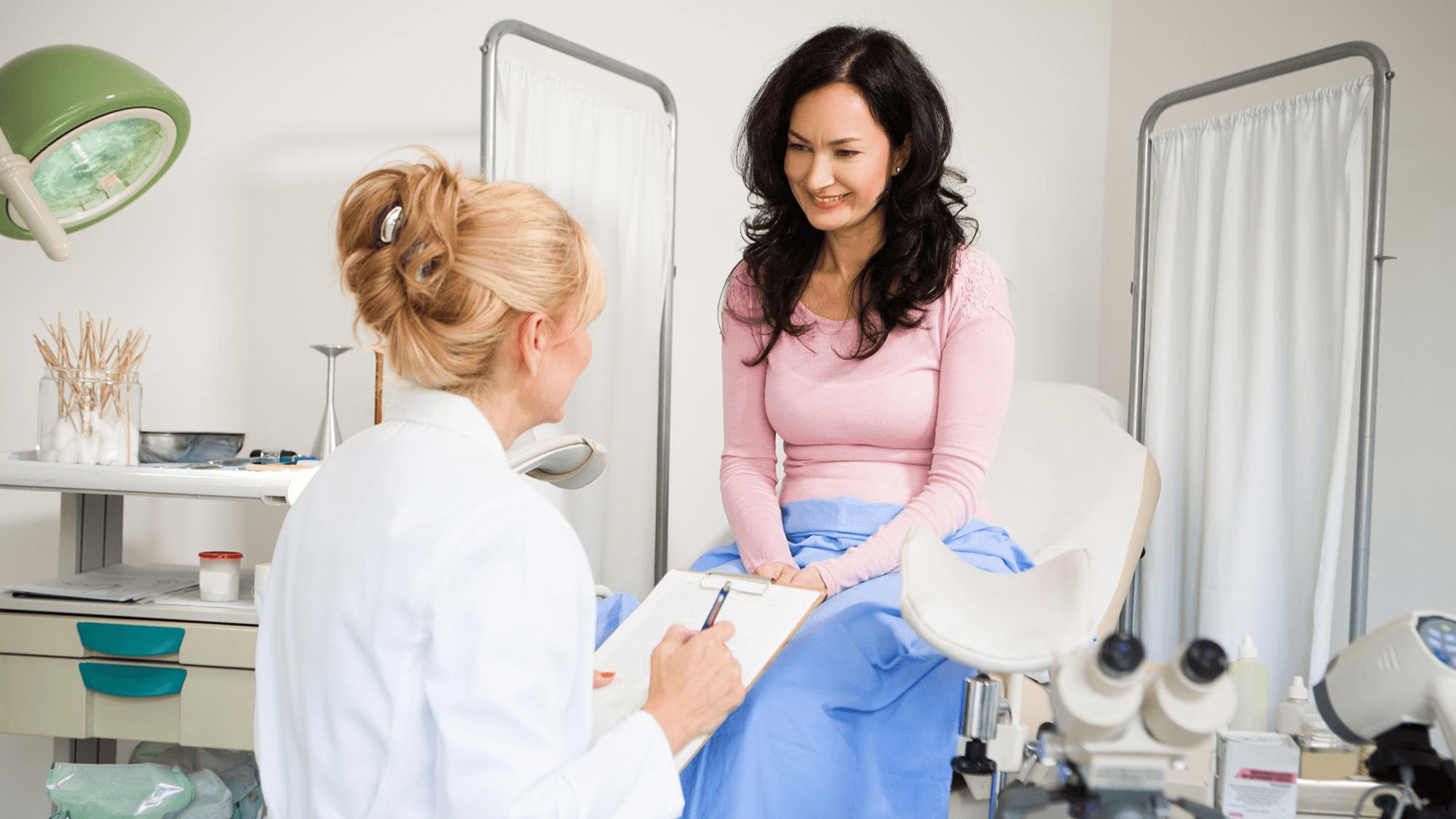
Woman consults gynecologist for hypothyroidism having problems with her reproductive health and intimacy.
Frequently Asked Questions (FAQs)
1. Does hypothyroidism occur despite the diet being good and exercises being carried out?
Yes, hypothyroidism causes metabolism to reduce and energy level to be used at a reduced rate, also causing fluid retention, which results in increased body weight even with a normal diet and exercise.
2. What is the best diagnostic procedure for hypothyroidism, and what tests should be conducted?
Hypothyroidism is diagnosed with a thyroid-stimulating hormone test and a free thyroxine test; increased TSH level and reduced T4 level confirm hypothyroidism.
3. Can untreated hypothyroidism lead to chronic long-term effects on health?
Long-term untreated hypothyroidism can lead to cardiovascular disease, infertility, depression, peripheral neuropathy and severe states of it like myxedema coma, which are life-threatening.
4. Is it true that hormonal imbalance and stress cause hypothyroidism?
No, stress does not cause hypothyroidism; however, hormonal imbalance and stress may lead to modification of thyroid function and worsening of existing autoimmune thyroid disease.