What Is Regenerative Gynecology? A Beginner’s Guide
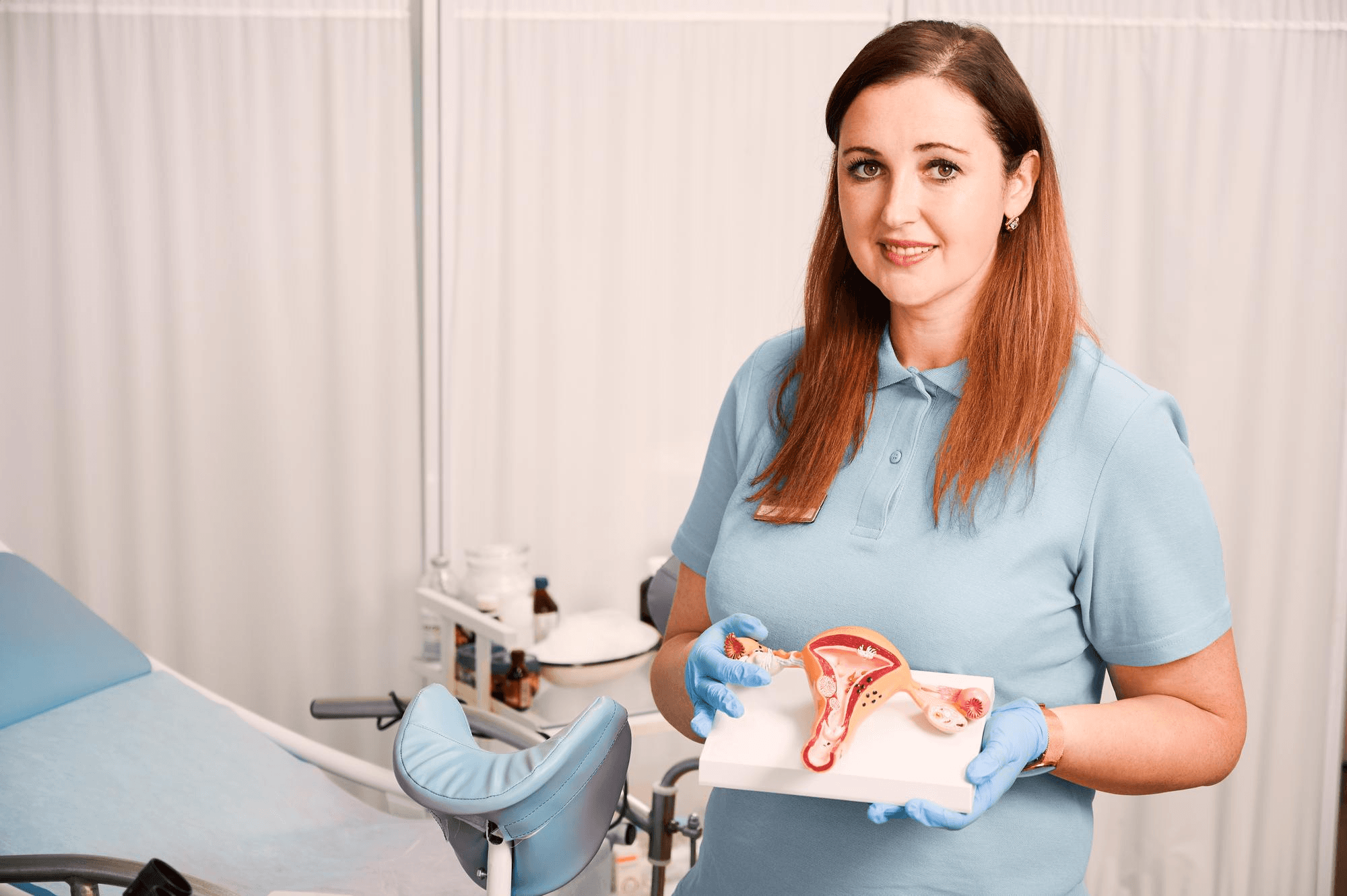
A woman gynecologist holding a model of the uterus and teaching regenerative gynecology treatment method in a modern medical clinic for women's reproductive health improvement.
Regenerative gynecology is a growing area of gynecology dedicated to rebuilding and improving both the function and structure of female reproductive tissues through utilising the body's inherent regenerative processes. Utilises cutting-edge treatments such as PRP, stem cells, and growth factors to promote tissue healing and repair.
These techniques are beginning to be widely utilised in conditions such as vaginal atrophy, lichen sclerosis, urinary incontinence, and sexual dysfunction. Rather than merely treating symptoms (as with traditional gynecologic therapies), regenerative gynecology focuses on regenerating tissue, optimising cell health and promoting better vaginal health overall and continues to research safe, minimally invasive ways to help optimise women's reproductive and sexual health.
What Is Regenerative Gynaecology?
Regenerative Gynaecology is an innovative and growing field within Gynaecology that involves restoring the form, function and health of a woman's reproductive system through her body's own healing mechanisms.
As a woman ages, undergoes hormonal changes, experiences childbirth, or enters menopause, the tissues within the vagina and pelvis may lose their strength and tone, leading to problems such as loss of elasticity and moisture, urinary incontinence or decreased sexual satisfaction.
Rather than solely treating these symptoms, Regenerative Gynaecology aims to repair and rejuvenate damaged tissues through the use of state-of-the-art, minimally invasive procedures which encourage cellular regeneration, promote blood flow and stimulate collagen growth, therefore restoring function, comfort and improving a woman's quality of life at every stage of her life.
Key Benefits Of Regenerative Gynaecology:
- Treats the underlying problem with tissue repair and functional restoration rather than the temporary relief of symptoms
- Includes treatments such as platelet-rich plasma (PRP), laser therapy and growth factors
- Particularly useful for issues such as vaginal laxity, vaginal dryness, urinary incontinence and prolapse
- Applicable post-childbirth, through menopause and at older ages
- Minimally invasive with relatively short recovery periods
- Helps to boost sexual function, confidence and general well-being
The field of Regenerative Gynaecology signifies an emerging approach to women's health that centres on providing a truly holistic and restorative treatment plan. It has immense potential to address fundamental health issues, offering women a more personalised and longer-lasting form of Gynaecological care.
Common Conditions That Regenerative Gynaecology Can Help With
1. Urinary Incontinence
Urinary incontinence is when you lose urine involuntarily; it occurs after childbirth or with increasing age and menopause, and may happen because of weakening of the muscles supporting the bladder and vagina.
Regenerative gynaecology can assist with conditions like urinary incontinence through techniques such as Platelet-Rich Plasma and energy-based modalities, which will enhance blood flow to the tissues in the vagina and improve collagen production and strengthen the tissues supporting the bladder and vagina. As a result, this will lead to increased control of urine.
2. Vaginal Laxity
Vaginal laxity is described as the relaxation or loosening of the vaginal tissues that often occurs after vaginal childbirth or with age. This can result in the loss of sensation and vaginal support, which will then have implications for sexual activity.
Regenerative techniques will help restore vaginal tone by enhancing the production of collagen and elastin to the vaginal wall,l which in turn will support it more.
3. Vaginal Dryness
Vaginal dryness is commonly caused by hormone deficiency, such as with menopause; the tissues of the vagina may become thinner, inflamed and dry, causing soreness, itching and pain during sexual intercourse.
With regenerative therapy,s it is possible to improve mucosal hydration and increase the blood supply to the vagina, restoring the body's own natural lubrication.
4. Other Possible Indications
This will also potentially help women suffering from mild degrees of pelvic floor weakness, very early vulval skin conditions and perhaps some forms of female sexual dysfunction.

A female experiencing pelvic discomfort possibly linked to vaginal dryness, highlighting symptoms like irritation, pain, and hormonal changes affecting intimate wellness
Prominent Regenerative Gynaecology Treatments
1. CO Laser Therapy
- This involves fractional laser energy to trigger remodelling of the collagen and increase blood flow within the vaginal walls.
- It improves tissue elasticity, vaginal dryness and signs of atrophy or light urinary incontinence.
2. Hyaluronic Acid (HA) Injections
- HA is a naturally occurring substance in the body that retains moisture.
- When injected into intimate areas, it will improve hydration and fullness in the tissues while decreasing dryness or thinning of the vaginal walls.
3. Platelet Rich Plasma (PRP) Therapy
- This treatment will use your own platelets, which have a high concentration of growth factors that will promote tissue regeneration.
- It can be useful in increasing vaginal health and sensitivity, ty and can also aid in healing tissues that are damaged or those who experience light sexual dysfunction.
4. Cellular Matrix Therapy
- This is a form of regenerative treatment that combines PRP with HA to enhance its effects.
- The therapy encourages tissue repair, increases collagen and elastin within the tissues, as well as boosting blood flow, reducing inflammation and is effective for the rejuvenation of aged and damaged tissues.
5. Electromagnetic Pelvic Floor Therapy (Emsella)
- This treatment will have the effect of deeply stimulating and strengthening the pelvic floor muscles through high-intensity focused electromagnetic energy.
- Improving bladder function without the use of any invasive procedures.
6. Radiofrequency-Based Vaginal Rejuvenation
- Treatments like the Exilis Ultra 360 will produce a warming effect to increase blood flow and collagen production.
- This increases the tightness of the tissues in the vaginal area.
7. Intimate Skin Rejuvenation
These treatments help improve tissue texture and moisture, and also have the effect of changing the pigmentation in the external genital area.
Safety Of Regenerative Gynaecology Therapies
- Most regenerative procedures in Gynaecology are minimally invasive and have a good safety profile when administered by a trained Gynaecologist.
- Treatments like PRP use their own blood products, which are biocompatible,e reducing the risk of rejection or allergy.
- Energy-based therapies like lasers or radiofrequency are calibrated to act precisely on the target areas with minimal collateral damage.
- Minimal side effects like minor swelling, redness or soreness at the site of treatment are common but usually self-limiting.
- Patient selection is crucial, and these therapies may be contraindicated in active infection, underlying disorders, during pregnancy, etc.
- Aseptic and sterile techniques substantially decrease the risk of infection or other procedural complications.
- Treatments may require several sessions and result is often variable depending on age, hormone levels and the health of the patient.
- Correct assessment and application by trained and experienced hands guarantee safety, efficacy and favourable cosmetic outcome.
Final Thoughts
Regenerative gynecology is creating an exciting paradigm shift in women's healthcare. It offers a move away from treating symptoms to achieving true restoration of vaginal health and function.
Using the power of the body's own healing capabilities with therapies like PRP, lasers, and other advanced techniques, these treatments help to improve tissue quality, vaginal tone, moisture and elasticity, thereby improving symptoms like urinary incontinence, sexual dysfunction and general discomfort associated with ageing and childbirth.
As clinical research and technology in this area continue to advance, we are seeing an increased array of safe, efficient and highly effective treatments becoming available, offering a welcome alternative for many women who have previously felt there was little they could do. Taking control and managing these changes proactively by seeking advice from a knowledgeable gynecologist is empowering and can lead to significant improvements in overall quality of life.
Expert Care With Dr Shachi Singh
Are you worried about changes you've noticed in your vagina due to ageing, childbirth or health concerns? Dr Shachi Singh offers compassionate and expert care in regenerative gynecology. With over 15 years of experience as a leading consultant gynecologist in Noida, she is committed to providing personalised, evidence-based solutions that focus on restoring your vaginal health and intimate comfort.
If you're seeking discreet and effective treatments to regain confidence and well-being, Dr Singh is dedicated to helping you find the right path forward. Book your consultation in Noida today and take the first step towards a revitalised you.

Patient seated during gynecology consultation, discussing concerns like vaginal dryness or regenerative treatments, while the doctor notes medical history and symptoms carefully
Frequently Asked Questions(FAQs)
1. What does a regenerative doctor do?
A regenerative medicine doctor uses medical treatments that stimulate the body's natural healing capabilities to restore or replace damaged body tissue. Such treatments, including therapies using platelet-rich plasma, stem cells, and growth factors, are used to enhance functionality, minimise symptoms, and restore tissue for a prolonged period.
2. How safe is regenerative medicine?
Regenerative medicine treatment is considered to be safe when conducted by professionals trained to utilise acceptable treatment approaches. Allergy risks associated with regenerative medicine are reduced, with autologous treatments such as platelet-rich plasma. The risks are minimised, however, by the selection of suitable patients, sterile practices, and treatment following evidence-based protocols; most commonly observed side effects are mild and self-limiting.
3. What is the biggest problem with regenerative medicine?
Lack of standardisation, coupled with inconsistent clinical outcomes are significant obstacle. Standardised treatments are varied across therapies, and the outcome of some therapies has not been proven in large-scale trials. The ability to practice outside of a regulated context and overenthusiastic results can contribute to unsafe treatments, making it critical to select care from qualified medical practitioners.