UTI During Pregnancy: Why It's Treated Differently and What the Risks Are
UTI During Pregnancy: Why It's Treated Differently and What the Risks Are
Urinary tract infections are common in women generally — but pregnancy changes the stakes significantly. A UTI that might cause a few days of discomfort in a non-pregnant woman can, in pregnancy, escalate to a kidney infection (pyelonephritis) more rapidly, and pyelonephritis in pregnancy is associated with preterm labour, low birth weight, maternal sepsis, and in severe cases, life-threatening complications including ARDS (acute respiratory distress syndrome) and DIC (disseminated intravascular coagulation).
There is also a unique pregnancy-specific phenomenon: asymptomatic bacteriuria — bacteria growing in the urine without causing any symptoms — is treated in pregnancy because of the high risk it will progress to symptomatic UTI or kidney infection. Outside of pregnancy, asymptomatic bacteriuria in healthy women is not treated. In pregnancy, it always is.
Dr. Shachi Singh, consultant obstetrician at Prakash Hospital, Sector 33, Noida, explains why UTI in pregnancy is managed differently, what screening involves, which antibiotics are safe, and which symptoms need immediate attention.
Why Pregnancy Makes UTIs More Dangerous
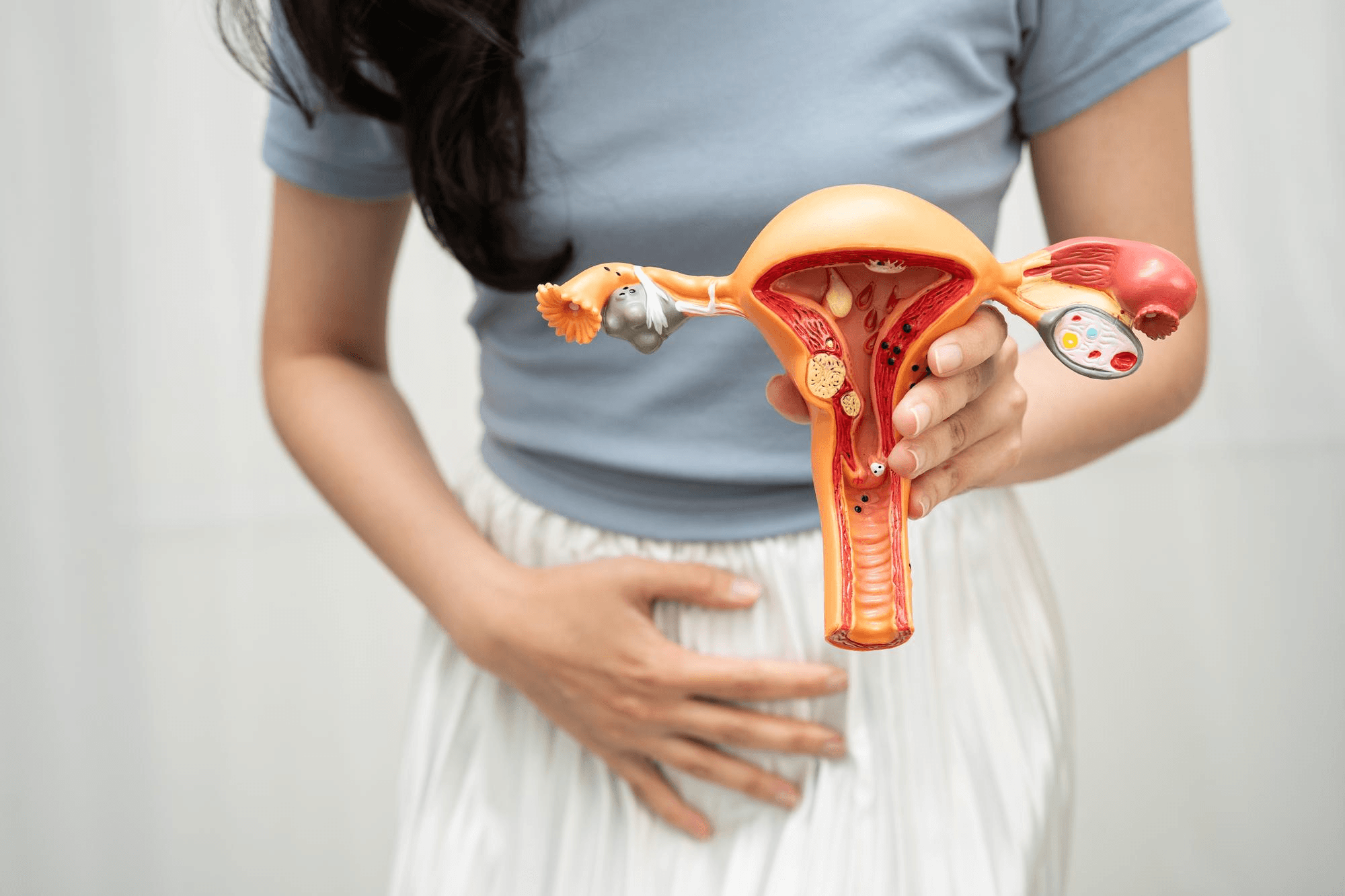
Pregnancy produces several anatomical and physiological changes that increase UTI risk and the likelihood of it ascending to a kidney infection:
Ureteral dilatation: Progesterone relaxes the smooth muscle of the ureters (the tubes connecting the kidneys to the bladder), causing them to dilate and become less efficient at moving urine downward. Urine pools in the dilated ureters — a favourable environment for bacterial multiplication.
Uterine compression: As the uterus grows, it compresses the ureters, further impairing urine flow and creating urinary stasis.
Bladder changes: The bladder's capacity and its ability to fully empty are affected by pregnancy. Incomplete bladder emptying allows bacteria to persist.
Immune modulation: Pregnancy involves immune system adaptations to tolerate the semi-foreign fetus. This reduced immune surveillance makes clearing urinary tract bacteria harder.
Glucosuria (glucose in urine): Some pregnant women spill glucose into their urine even without gestational diabetes. Glucose in the urine supports bacterial growth.
The combined effect is that ascending infection — bacteria travelling from the bladder up the ureters to the kidneys — is significantly more likely in pregnancy than outside it.
Asymptomatic Bacteriuria: A Pregnancy-Specific Concern
In 2 to 10% of all pregnancies, bacteria are present in the urine in significant quantities without causing any symptoms — no burning, no frequency, no urgency. This is called asymptomatic bacteriuria (ASB).
Outside pregnancy, ASB in healthy women is not treated — it rarely causes harm. In pregnancy, 20 to 30% of untreated ASB will progress to pyelonephritis. This is why all pregnant women are screened for ASB with a urine culture — typically at the first antenatal visit (around 12 to 16 weeks) and often again in the third trimester.
When ASB is identified in pregnancy, it is treated with antibiotics — even with no symptoms — specifically to prevent pyelonephritis.
Since routine ASB screening and treatment was introduced in obstetric care in the 1970s and 80s, the incidence of pyelonephritis in pregnancy dropped from 20 to 35% to 1 to 4%. This is one of the clearest examples of how routine antenatal screening prevents serious maternal harm.
Symptoms of UTI in Pregnancy
Symptoms of a lower UTI (cystitis) in pregnancy are the same as outside pregnancy:
- Burning or pain during urination
- Urgency — needing to urinate suddenly and urgently
- Frequency — frequent trips to the toilet with small amounts of urine
- Suprapubic discomfort
- Cloudy, dark, or blood-tinged urine
- Unpleasant or strong-smelling urine
Pyelonephritis symptoms — require immediate medical attention:
- Flank pain (one or both sides, below the ribs — over the kidney area)
- High fever with chills and rigors
- Nausea and vomiting
- Feeling systemically very unwell
- The above on top of urinary symptoms
Any pregnant woman with flank pain and fever must be assessed the same day — this is not something to manage at home with home remedies. Pyelonephritis in pregnancy is a serious complication requiring hospitalisation and intravenous antibiotics.
Diagnosis
Urine culture: The essential test. Unlike outside pregnancy, a urine dipstick is not sufficient to determine treatment decisions. A mid-stream clean-catch urine specimen is sent for culture — identifying the specific organism, its colony count, and its antibiotic sensitivities. Treatment is guided by sensitivity results.
Why culture matters specifically in pregnancy: Antibiotic resistance is increasing. Several antibiotics that are first-line outside pregnancy are not safe in pregnancy. The combination of these factors makes culture-guided treatment important — not empirical antibiotic choice without knowing what is being treated and what will work.
Safe Antibiotics for UTI in Pregnancy
Several commonly used UTI antibiotics outside pregnancy are not safe during pregnancy:
Safe in pregnancy (second trimester, typically):
- Nitrofurantoin: Safe in the second trimester and safe for use at other times with some caveats (avoid in the first trimester due to theoretical concerns, and avoid near term — 36 weeks onwards — due to risk of neonatal haemolysis). A first-line choice for uncomplicated cystitis and ASB in mid-pregnancy.
- Cephalexin (cefalexin): A cephalosporin antibiotic. Safe throughout pregnancy. Commonly used for ASB and cystitis in pregnancy.
- Cefuroxime, ceftriaxone: Other cephalosporins, safe in pregnancy, used for more severe infections.
Avoid in pregnancy (or use only when essential, under specialist guidance):
- Fluoroquinolones (ciprofloxacin, norfloxacin): Not recommended in pregnancy — theoretical risk to fetal cartilage development and disruption of gut flora
- Trimethoprim alone: Theoretical concern about folate antagonism, particularly in first trimester
- Co-trimoxazole (trimethoprim-sulfamethoxazole / Septran): Avoid in first trimester and near term
- Ampicillin alone: Not recommended due to high resistance rates in India — E. coli resistance to ampicillin exceeds 50% in many Indian settings
Never self-medicate for UTI during pregnancy. Always get a urine culture and take the antibiotic your doctor prescribes based on the sensitivity results.
Treatment of Pyelonephritis in Pregnancy
Kidney infection in pregnancy typically requires:
- Hospitalisation
- Intravenous antibiotics (ceftriaxone or an appropriate IV cephalosporin, guided by local resistance patterns)
- IV fluids for hydration (given carefully — pregnant women with pyelonephritis are at risk of pulmonary oedema from fluid overload)
- Management of fever with paracetamol
- Monitoring for preterm labour — pyelonephritis can trigger contractions
- Transition to oral antibiotics once improving, completing a total of 10 to 14 days
- After completing treatment, daily prophylactic antibiotics for the remainder of the pregnancy in women who have had pyelonephritis — to prevent recurrence
Preventing UTI in Pregnancy
Prevention strategies are the same as outside pregnancy, but more important:
- Stay well hydrated — at least 2 to 3 litres of water daily. In India's hot climate, this is particularly important.
- Urinate regularly — do not hold urine for extended periods
- Urinate after sexual intercourse
- Wipe front to back after toilet use
- Attend all antenatal appointments — urine testing at each visit is standard practice in good antenatal care
- Report burning or urinary symptoms promptly — do not wait to see if they resolve
Antenatal Care in Noida and Greater Noida
Dr. Shachi Singh at Prakash Hospital, Sector 33, Noida, includes routine urine culture screening and prompt UTI management as standard components of antenatal care for women across Noida and Greater Noida.
To book a consultation with Dr. Shachi Singh, call: +91 97023 46853
Clinic Hours: Monday to Saturday, 9 AM – 6 PM | Sunday, 10 AM – 2 PM
Clinic Address: D-12A, 12B, Sector-33, G.B. Nagar, Noida, Uttar Pradesh 201301
Frequently Asked Questions
1. Is a UTI during pregnancy dangerous for the baby?
Untreated UTI in pregnancy is associated with preterm birth and low birth weight. Pyelonephritis (kidney infection) is associated with more serious maternal and fetal complications. Treated promptly with the right antibiotic, the outcomes are very good.
2. Why is the urine tested at every antenatal visit?
Routine urine testing — often with a dipstick — screens for protein (a preeclampsia indicator), glucose (gestational diabetes marker), and signs of infection. A urine culture is typically done at the booking visit to screen for asymptomatic bacteriuria, which is treated even without symptoms in pregnancy.
3. Can I take ibuprofen alongside antibiotics for UTI pain in pregnancy?
No. Ibuprofen and other NSAIDs should not be taken in pregnancy without specific medical guidance — they carry risks, particularly in the third trimester. Paracetamol is the safe analgesic for pain during pregnancy.
4. My urine culture came back positive but I have no symptoms — do I still need treatment?
In pregnancy, yes. Asymptomatic bacteriuria in pregnancy is treated with antibiotics because of the significant risk of progression to kidney infection. This is different from the standard advice outside pregnancy.
This blog is written for educational and informational purposes only. Please consult Dr. Shachi Singh or a qualified obstetrician for assessment and treatment specific to your pregnancy.