Urinary Incontinence Without Surgery: What Actually Works
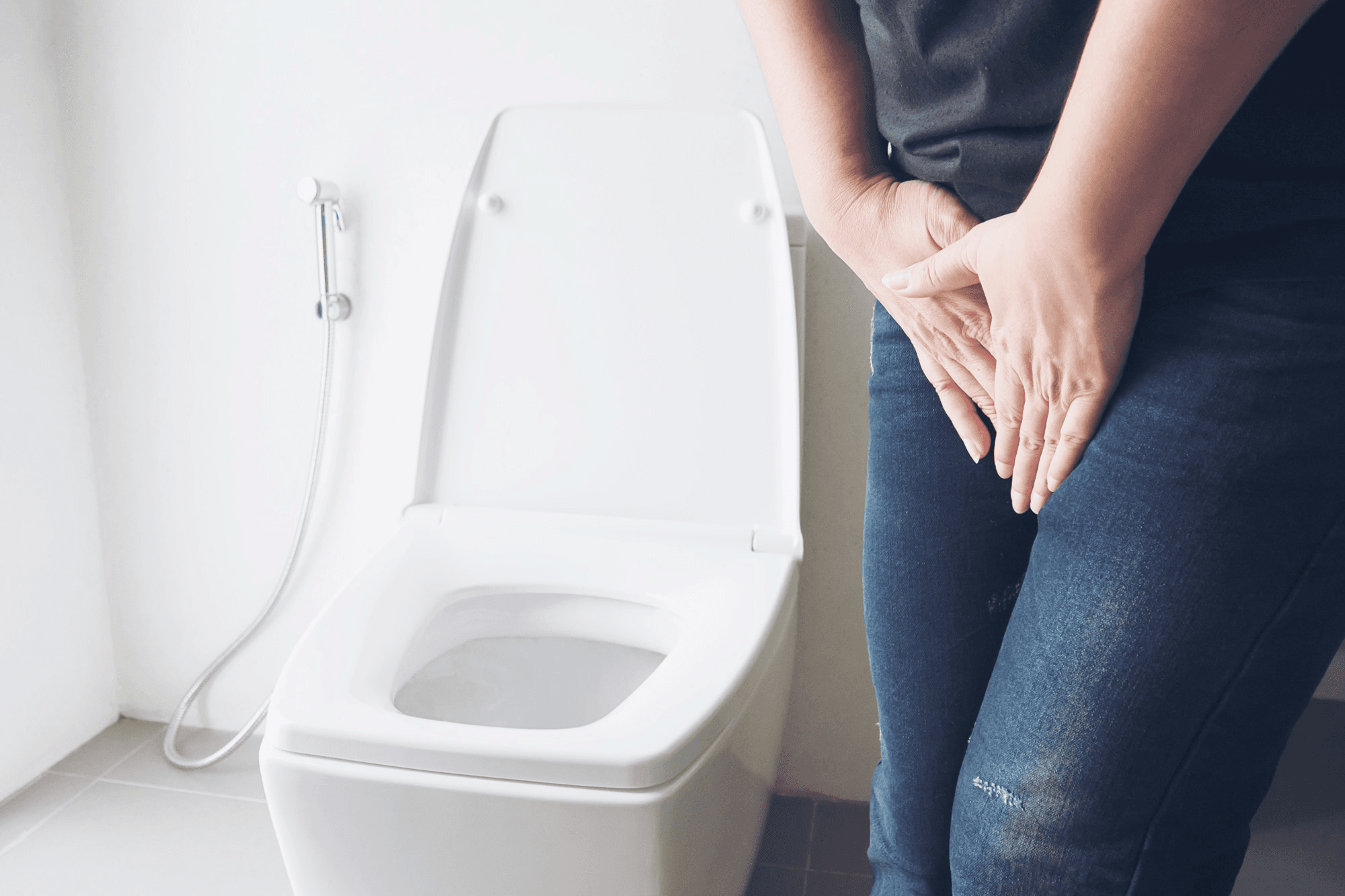
It shows a female holding her lower abdomen and indicating Urinary Incontinence.
Urinary incontinence — involuntary leakage of urine — affects a significant proportion of women in India and is dramatically underreported and undertreated. The majority of women who experience it either accept it as normal or assume surgery is the only answer. Neither is correct.
For most women with urinary incontinence, non-surgical management produces significant improvement or complete resolution. Surgery is an option for refractory cases — not the first step.
Dr. Shachi Singh, consultant gynaecologist at Prakash Hospital, Sector 33, Noida, explains what actually works without surgery.
The Two Main Types
Stress urinary incontinence (SUI): Leakage during physical activity that increases intra-abdominal pressure — coughing, sneezing, laughing, jumping, lifting. Caused by weakness of the urethral sphincter and pelvic floor support. The most common type in younger, premenopausal, and postpartum women.
Urge urinary incontinence (UUI) / Overactive bladder (OAB): A sudden intense urge to urinate that cannot be suppressed, followed by involuntary leakage. Caused by involuntary detrusor (bladder wall) contractions. The urge arrives suddenly and is difficult to suppress.
Mixed incontinence: Elements of both stress and urge incontinence — common.
Non-Surgical Treatment for Stress Urinary Incontinence
Pelvic floor muscle training (PFMT): The most evidence-based treatment for SUI. Correctly performed Kegel exercises — contracting and relaxing the pelvic floor muscles — strengthen the urethral support mechanism. The key word is "correctly" — studies show that up to 50% of women do Kegel exercises incorrectly when taught verbally. A pelvic floor physiotherapist assesses the baseline pelvic floor and teaches the correct technique with biofeedback.
Physiotherapist-supervised PFMT produces cure or significant improvement in approximately 50 to 70% of women with SUI after 3 to 6 months of consistent training.
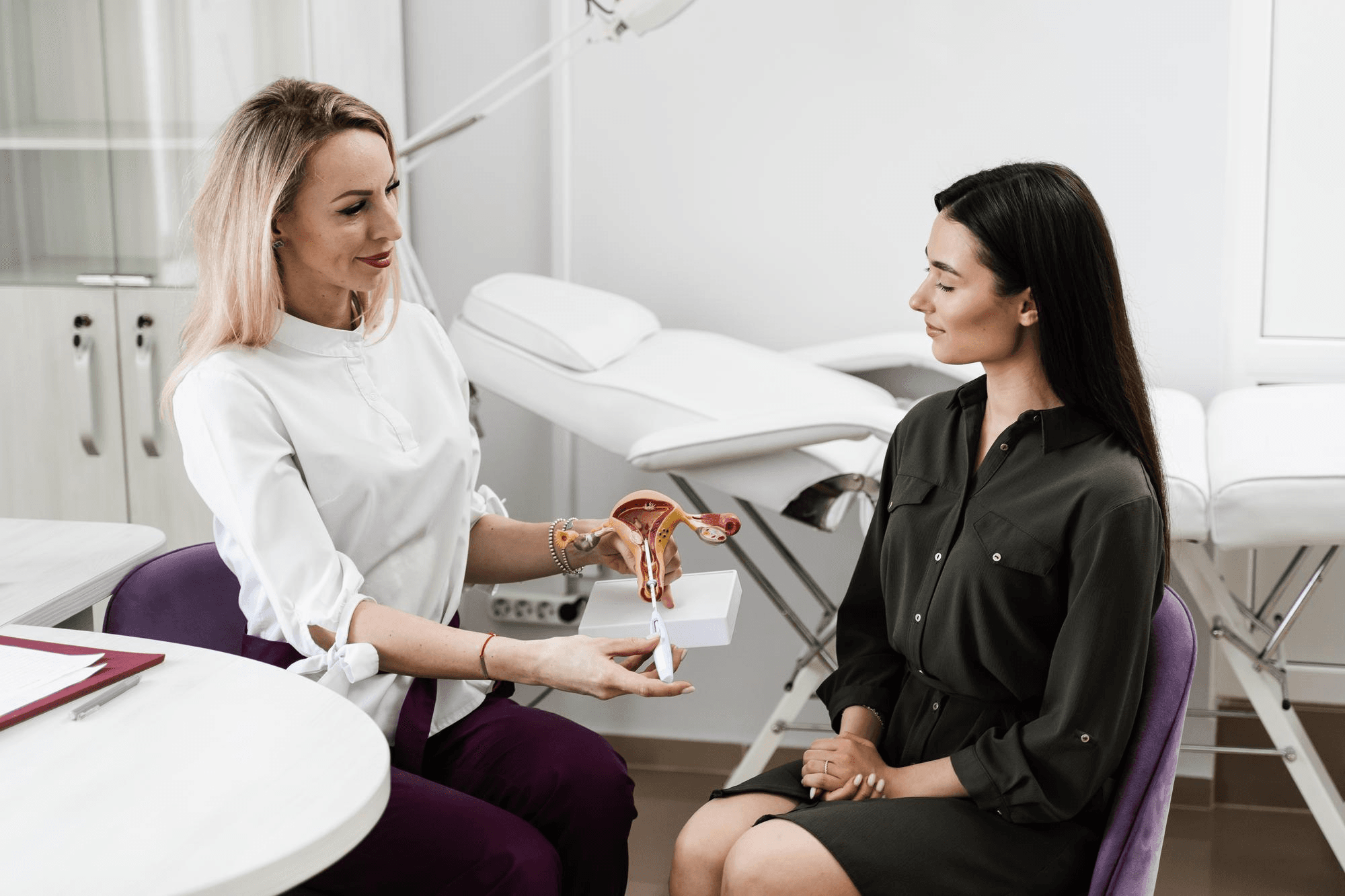
Incontinence pessary: A silicone device fitted inside the vagina that provides mechanical support to the bladder neck, reducing leakage during activity. An excellent option for women not ready for surgery, postpartum women waiting for pelvic floor recovery, or women with medical conditions that preclude surgery. Requires fitting by a gynaecologist and occasional replacement.
Vaginal laser or radiofrequency: Stimulates periurethral tissue remodelling and reduces mild SUI. Appropriate for mild cases.
Weight loss: Every unit of BMI reduction decreases intra-abdominal pressure and reduces SUI severity. For overweight women with SUI, weight loss alone produces significant improvement.
Non-Surgical Treatment for Urge Incontinence / Overactive Bladder
Bladder training: A structured programme to extend the interval between urination — progressively training the bladder to hold more without triggering uncontrolled urgency. Combined with urgency suppression techniques (distraction, rapid pelvic floor contractions to suppress the urge signal). Produces improvement in 60 to 80% of women with OAB over 6 to 12 weeks.
Fluid and dietary modification: Reducing caffeine (a bladder irritant), reducing alcohol, avoiding carbonated drinks, and optimising fluid intake (neither restricting fluid — which concentrates urine and irritates the bladder — nor drinking excessively). These simple measures significantly improve symptoms.
Pelvic floor physiotherapy: For mixed incontinence, PFMT addresses both components.
Antimuscarinics (bladder relaxant medications): Oxybutynin, solifenacin, tolterodine — relax the detrusor muscle, reducing involuntary contractions. Effective for OAB but carry side effects (dry mouth, constipation, blurred vision). Used when behavioural measures are insufficient.
Beta-3 agonists: Mirabegron — a newer class of bladder relaxant with fewer side effects than antimuscarinics. Effective for OAB.
Gynaecological Care in Noida and Greater Noida
Dr. Shachi Singh at Prakash Hospital, Sector 33, Noida, assesses and manages urinary incontinence — including physiotherapy referral, pessary fitting, medication, and laser treatment — for women across Noida and Greater Noida.
To book a consultation with Dr. Shachi Singh, call: +91 97023 46853
This blog is for informational purposes only.