Pelvic Inflammatory Disease: What It Is, Why It Matters, and How It Affects Fertility

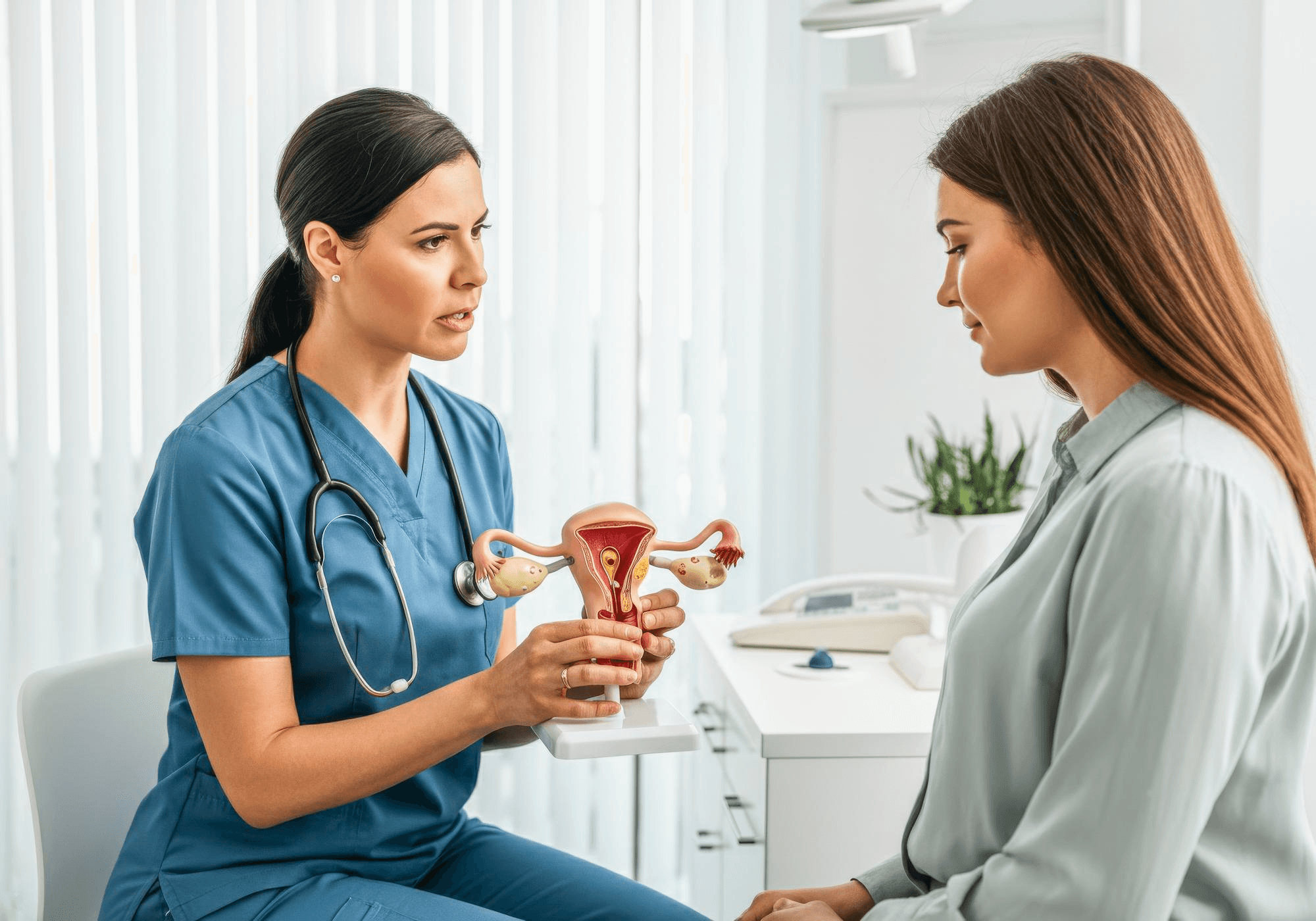
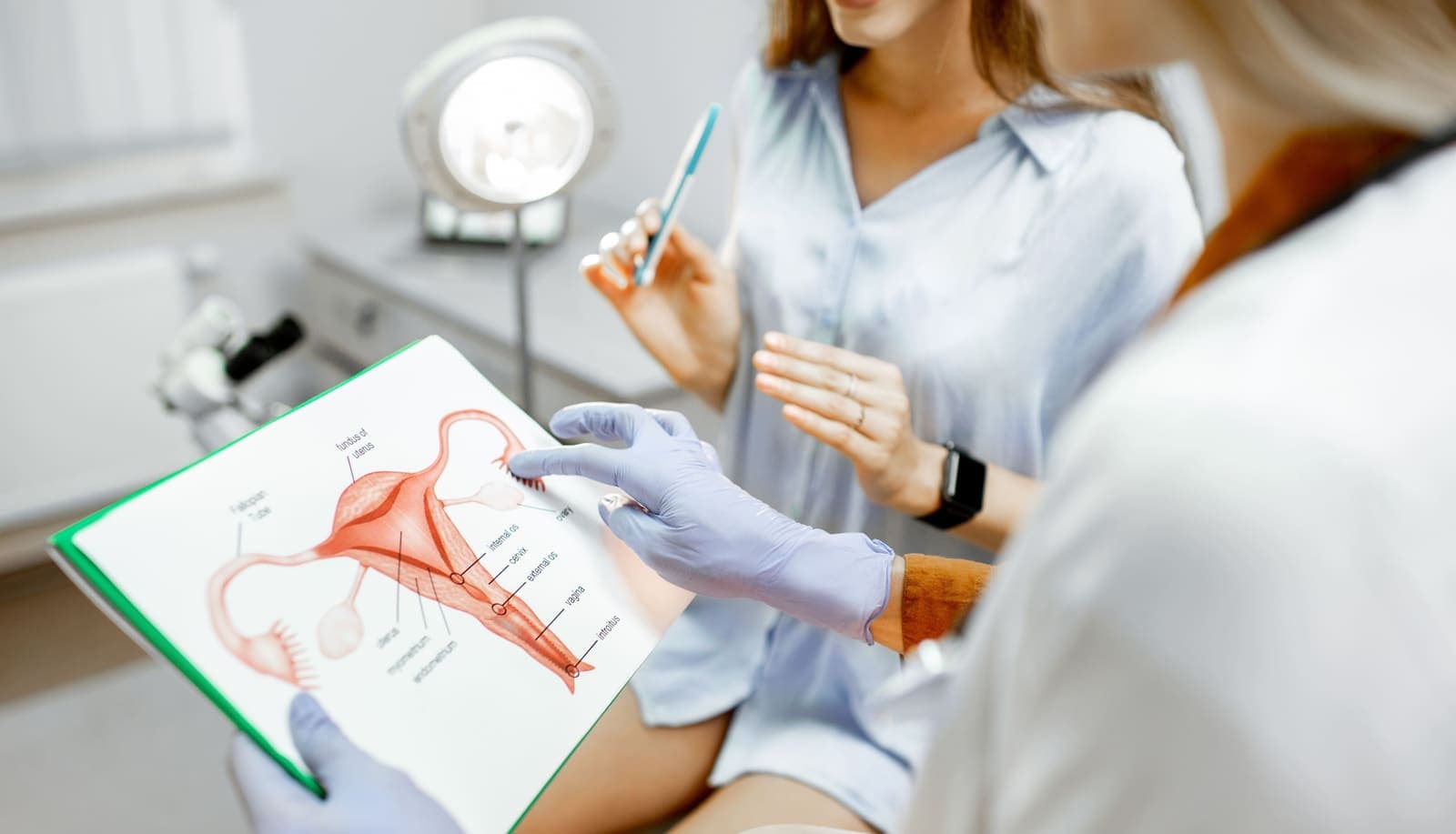
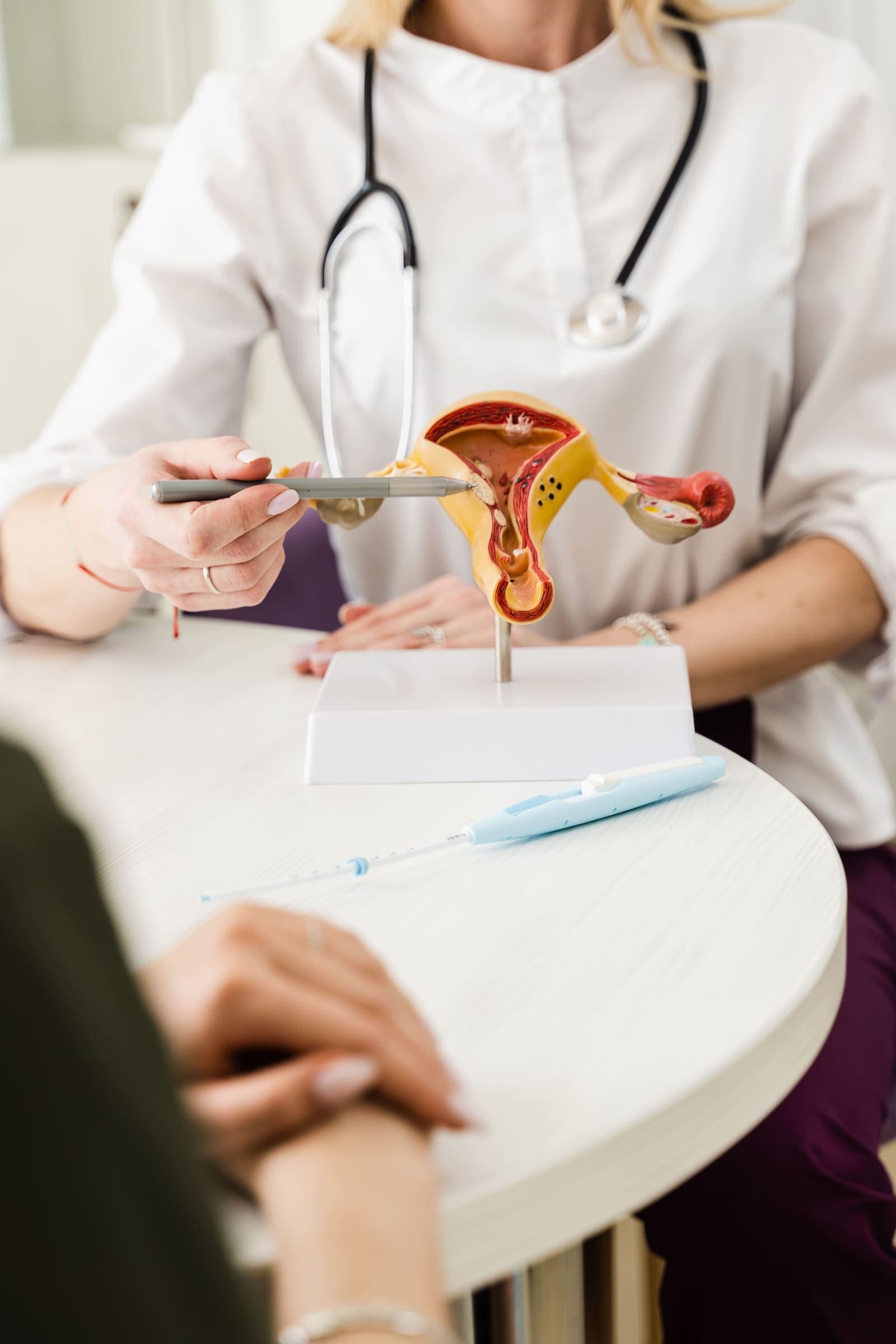
A woman is in pain, holding her lower abdomen and pointing to the reproductive organs, denoting the symptoms of pelvic discomfort.
Pelvic inflammatory disease (PID) is an infection of the upper female reproductive tract — the uterus, fallopian tubes, ovaries, and surrounding pelvic peritoneum. It is one of the most significant preventable causes of tubal factor infertility in India, and it is frequently undertreated — partly because its symptoms are not always severe, and partly because the connection between a past pelvic infection and future infertility is not well understood by many women.
Dr. Shachi Singh, consultant gynaecologist at Prakash Hospital, Sector 33, Noida, explains PID comprehensively.
What Causes PID
PID occurs when bacteria ascend from the vagina and cervix into the normally sterile upper genital tract. The most common organisms are sexually transmitted — Chlamydia trachomatis and Neisseria gonorrhoeae are the most important, though PID is frequently caused by a mixture of organisms including vaginal bacteria (Gardnerella, anaerobes).
In India, the epidemiology of PID includes a significant contribution from non-STI organisms — vaginal flora ascending post-delivery, post-abortion, or post-IUD insertion — as well as STI-related causes.
Chlamydia is the most important cause — it is the most prevalent STI in India, often completely asymptomatic, and when it ascends to the fallopian tubes, it produces a tubal infection (salpingitis) that may also be asymptomatic or mildly symptomatic, delaying diagnosis while tubal damage progresses.
Symptoms of PID
PID has a wide symptom spectrum — from silent to severe:
Mild PID (very common, frequently missed):
- Low-grade pelvic ache or pressure
- Mild lower abdominal pain
- Slightly increased vaginal discharge
- Mild discomfort with intercourse
- Many women have no symptoms at all
Moderate PID:
- Pelvic pain, worse with movement
- Cervical motion tenderness (pain when the cervix is moved on examination — "chandelier sign")
- Uterine tenderness
- Adnexal tenderness (over the ovaries and tubes)
- Mild fever
- Abnormal vaginal discharge or bleeding
Severe PID:
- Severe lower abdominal pain, peritonism
- High fever with rigors
- Nausea and vomiting
- Tubo-ovarian abscess (pus-filled collection involving the tube and ovary) — requires hospitalisation
Diagnosis
PID is a clinical diagnosis — the combination of pelvic pain, cervical motion tenderness, and adnexal tenderness is sufficient to diagnose and treat, because the consequences of missed PID (tubal damage) are more serious than the consequences of treating a woman who does not have it.
Supporting investigations:
- Endocervical or vaginal swabs for chlamydia and gonorrhoea (NAAT testing)
- Full blood count, CRP (inflammatory markers)
- Transvaginal ultrasound — normal (mild PID) or showing a tubo-ovarian abscess
- Pregnancy test — to exclude ectopic pregnancy
Definitive diagnosis by laparoscopy (direct visualisation of inflamed tubes) is possible but rarely needed for mild to moderate PID — reserved for severe or unclear cases.
Treatment
Prompt antibiotic treatment is the cornerstone. Current guidelines recommend broad-spectrum antibiotic combinations to cover the most likely organisms:
Outpatient treatment (mild to moderate PID):
- Ceftriaxone 500 mg IM single dose PLUS doxycycline 100 mg twice daily for 14 days PLUS metronidazole 400 mg twice daily for 14 days
- Or another appropriate combination as per local sensitivity patterns
Inpatient treatment (severe PID, tubo-ovarian abscess, or unable to tolerate oral treatment):
- IV antibiotics until 24 hours after clinical improvement, then completion of oral course
Duration: At minimum 14 days of treatment. Completing the full course is essential — premature stopping allows incomplete eradication and increased risk of tubal scarring.
Partner treatment: Essential. The sexual partner must be tested and treated — if chlamydia or gonorrhoea is identified, treating only the woman without treating the partner results in reinfection.
How PID Damages Fertility: The Mechanism
This is the most important aspect of PID for women to understand. Each episode of salpingitis (fallopian tube infection) causes inflammatory damage to the delicate fimbriae (the finger-like projections at the tube's end that capture the released egg) and the ciliated lining of the tube (cilia that move the egg toward the uterus).
This damage is cumulative:
- One episode of PID: approximately 10 to 15% risk of tubal infertility
- Two episodes: approximately 25 to 30% risk
- Three or more episodes: approximately 50 to 60% risk
Beyond infertility, PID increases the risk of ectopic pregnancy (the damaged tube cannot efficiently transport a fertilised egg) and chronic pelvic pain from adhesion formation.
The critical insight is that most of this tubal damage from chlamydial PID occurs silently — the infection and the tubal damage proceed without symptoms that prompt the woman to seek treatment. This is why chlamydia screening in sexually active young women is a fertility-protection intervention, not just a sexual health one.
Prevention
- Safe sex practices including consistent condom use reduce STI transmission and PID risk
- STI screening (chlamydia testing) in sexually active women under 25 or those with new partners allows early treatment before PID develops
- Prompt treatment of any diagnosed STI — in both partners simultaneously
- Avoiding unnecessary transcervical procedures without appropriate antibiotic prophylaxis
Gynaecological Care in Noida and Greater Noida
Dr. Shachi Singh at Prakash Hospital, Sector 33, Noida, diagnoses and treats PID and manages its sequelae — including tubal factor infertility assessment, laparoscopic adhesiolysis, and fertility treatment coordination — for women across Noida and Greater Noida.
To book a consultation with Dr. Shachi Singh, call: +91 97023 46853
Clinic Hours: Monday to Saturday, 9 AM – 6 PM | Sunday, 10 AM – 2 PM
This blog is for informational purposes only. Please consult Dr. Shachi Singh or a qualified gynaecologist for assessment specific to your situation.