Hirsutism: Excessive Hair Growth in Women — Causes and Treatment

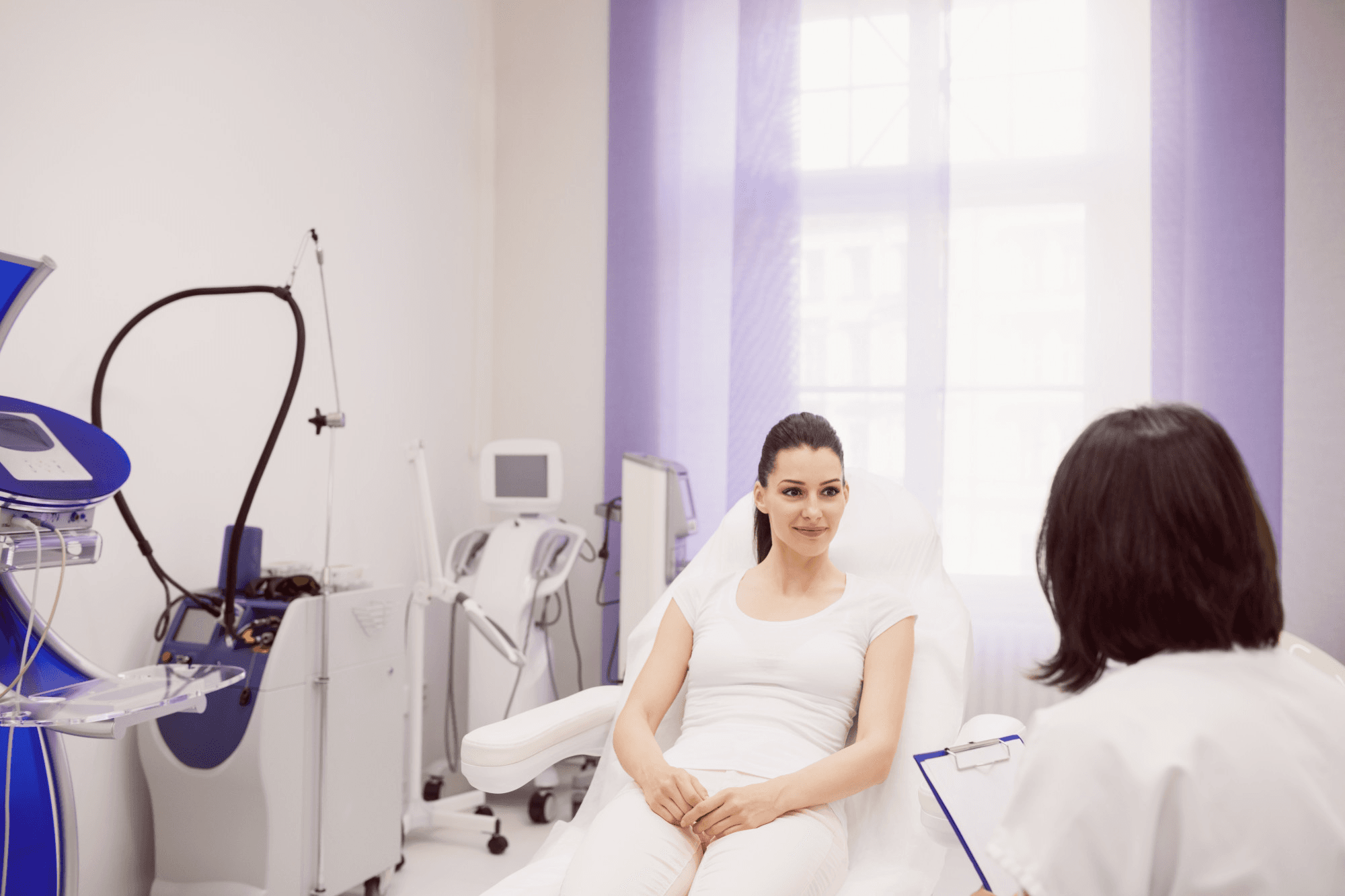
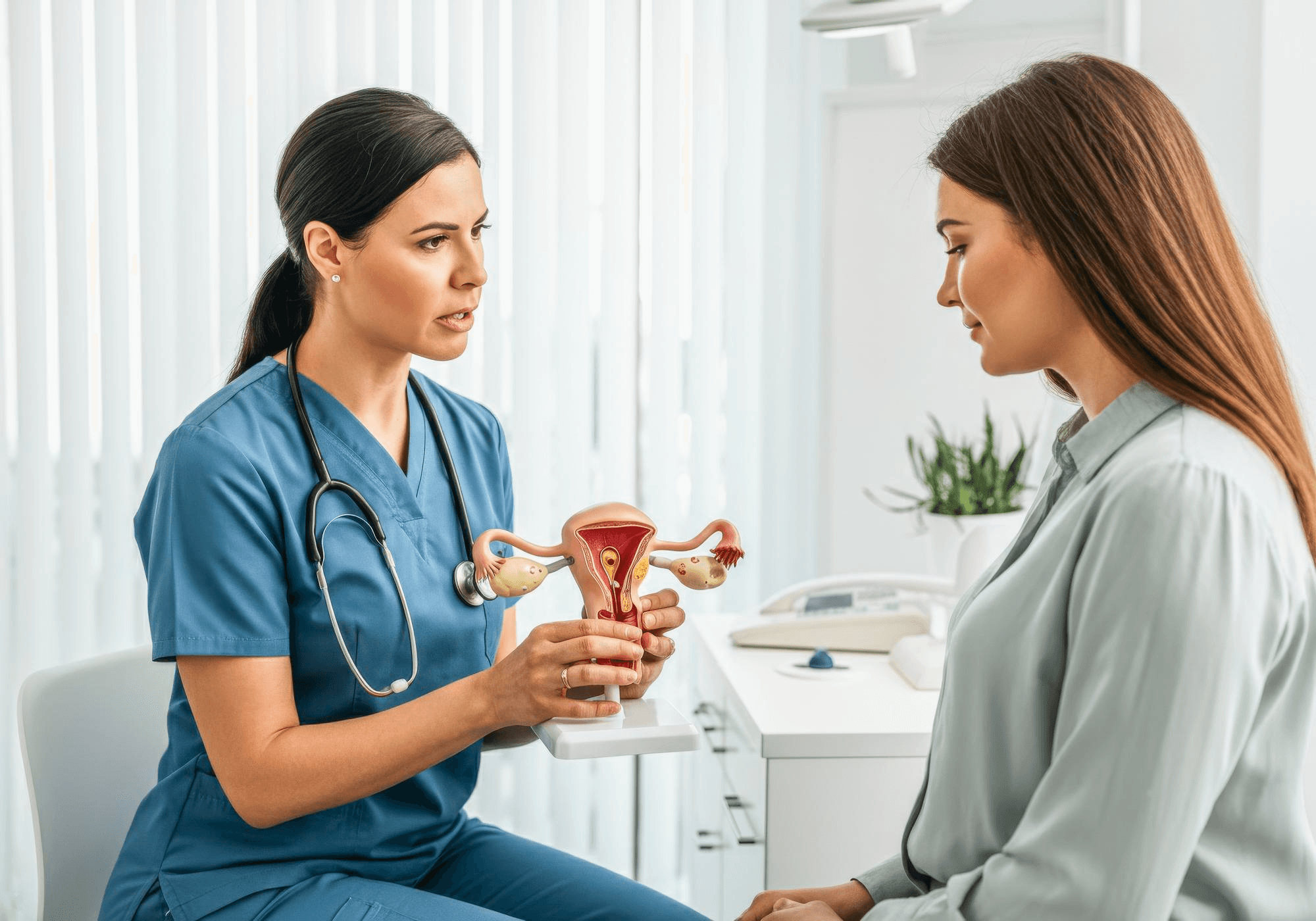
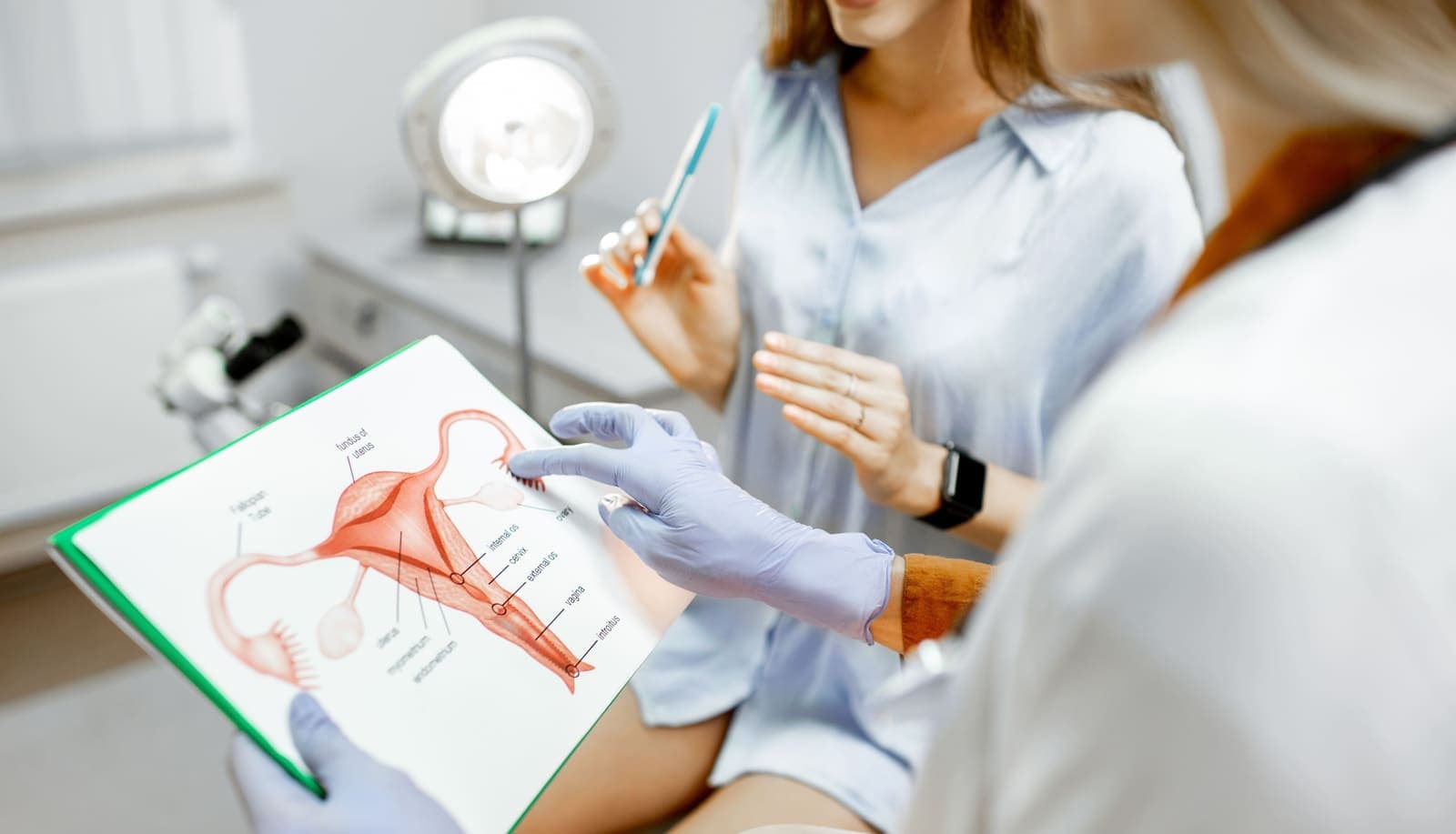
In a clinical setting, a female doctor with her notepad is consulting with a female patient. Both are sitting on their respective chairs side by side.
Hirsutism — the development of coarse, dark, male-pattern hair in areas where women do not normally have such hair — affects approximately 5 to 10% of women of reproductive age. In India, it is frequently distressing for women while also being normalised within families ("we all have this") or attributed to genetics without investigation of the hormonal causes that are often driving it.
Dr. Shachi Singh, consultant gynaecologist at Prakash Hospital, Sector 33, Noida, explains.
What Hirsutism Is and What It Is Not
Hirsutism specifically refers to coarse, pigmented, terminal hair growing in androgen-dependent areas in women: the upper lip, chin, neck, chest (around the areolae and between the breasts), upper abdomen, inner thighs, and lower back. It is driven by androgens — primarily testosterone and its more potent derivative, dihydrotestosterone (DHT).
It is distinct from hypertrichosis — generalised increased hair growth that is not androgen-dependent and has different causes.
Causes
PCOS (most common): Responsible for approximately 75 to 80% of hirsutism in premenopausal women. Elevated androgens from the PCOS-insulin-resistance-ovarian androgen axis drive hirsutism alongside acne and irregular periods.
Idiopathic hirsutism: The second most common cause. Normal androgen levels but increased sensitivity of the hair follicle to androgens. Common in South Asian, Middle Eastern, and Mediterranean women — there is a significant ethnic/genetic component to follicular androgen sensitivity.
Late-onset congenital adrenal hyperplasia (LOCAH): A genetic condition causing deficiency of 21-hydroxylase enzyme, leading to excess adrenal androgen production. Clinically similar to PCOS — irregular periods, hirsutism, acne. Diagnosed by 17-hydroxyprogesterone blood test. Managed with low-dose hydrocortisone to suppress adrenal androgen production.
Androgen-secreting tumours: Rare but important to exclude. Ovarian or adrenal tumours can produce very high levels of androgens. Suggested by rapid onset and severe hirsutism, serum testosterone above 6 to 7 nmol/L, or DHEAS markedly elevated.
Cushing's syndrome: Excess cortisol drives adrenal androgen excess. Associated with central weight gain, hypertension, stretch marks.
Medications: Anabolic steroids, danazol, some progestins (levonorgestrel), cyclosporin.
Hypothyroidism and hyperprolactinaemia: Can contribute.
Investigation
Blood tests: testosterone (total and free), DHEAS, 17-hydroxyprogesterone (for LOCAH screening), prolactin, TSH, LH, FSH, fasting glucose and insulin. Pelvic ultrasound for PCOS assessment. If testosterone is very high — adrenal and ovarian imaging.
Treatment
PCOS and insulin resistance management: Treating the underlying insulin resistance (Metformin, diet, exercise, weight loss) reduces ovarian androgen production and improves hirsutism over 3 to 6 months.
Combined oral contraceptive pill: Suppresses LH and ovarian androgen production, and increases SHBG (reducing free testosterone). First-line medical treatment for premenopausal women with PCOS-related or idiopathic hirsutism. Anti-androgenic progestins (cyproterone acetate, drospirenone) have additional direct anti-androgen effects.
Anti-androgens:
- Spironolactone: An aldosterone antagonist with significant anti-androgenic activity. Reduces hair growth and acne. Requires contraception (teratogenic). Effective at 50 to 200 mg daily.
- Cyproterone acetate: Available in combination OCP (Diane-35) or alone. Potent anti-androgen.
- Flutamide and finasteride: Used in refractory cases.
Eflornithine cream (Vaniqa): Topical cream that inhibits an enzyme needed for hair growth. Applied to the face twice daily. Reduces facial hair growth rate. Not a permanent solution — hair growth returns when stopped. Used alongside other treatments.
Hair removal: While hormonal treatment addresses the cause, cosmetic hair removal manages existing hair. Laser hair removal (Nd:YAG for dark skin — the appropriate choice for Indian skin; diode laser) produces semi-permanent hair reduction. Electrolysis is the only FDA-approved permanent hair removal method.
Gynaecological Care in Noida and Greater Noida
Dr. Shachi Singh at Prakash Hospital, Sector 33, Noida, investigates and manages hirsutism for women across Noida and Greater Noida.
To book a consultation with Dr. Shachi Singh, call: +91 97023 46853
This blog is for informational purposes only.