Female Sexual Dysfunction: What It Is, What Causes It, and What Helps
A woman experiencing lower abdominal discomfort, highlighting female reproductive and sexual health concerns.
Sexual difficulties in women are extremely common — affecting an estimated 30 to 40% of women at some point in their reproductive lives. They are also rarely discussed with a healthcare professional. In India, where conversations about women's sexuality remain largely constrained by cultural and social norms, sexual dysfunction is probably the most underreported symptom in gynaecological practice.
This has real consequences. Conditions that are treatable — vaginal dryness causing painful intercourse, hormonal changes reducing desire, pelvic floor tension causing vaginismus — continue without treatment because they are never raised.
Dr. Shachi Singh, consultant gynaecologist at Prakash Hospital, Sector 33, Noida, provides this guide to help women understand what female sexual dysfunction encompasses and what is available to help.
The Categories of Female Sexual Dysfunction
Female sexual dysfunction is not a single condition — it is an umbrella for several distinct problems, often coexisting:
Hypoactive sexual desire disorder (HSDD) — low desire:
A persistent or recurrent deficiency or absence of sexual desire, causing personal distress. Low desire is the most common sexual complaint in women, reported by approximately 30 to 40% in surveys. It is not simply occasional low libido — it is a persistent state that causes the woman distress about her own experience.
Female sexual arousal disorder:
Difficulty becoming or staying aroused — reduced genital lubrication, reduced genital engorgement, or reduced subjective sense of arousal despite sexual stimulation. Arousal disorders are frequently intertwined with desire disorders.
Orgasmic disorder:
Difficulty or inability to achieve orgasm, or orgasms that are significantly reduced in intensity. Affects approximately 10 to 15% of women as a primary lifelong condition; many more develop acquired orgasmic difficulties.
Genito-pelvic pain/penetration disorder (GPPPD):
The updated DSM-5 term that combines previous diagnoses of vaginismus and dyspareunia. Encompasses: difficulty with penetration, pelvic pain during intercourse, fear or anxiety about penetration or pain, and pelvic floor muscle tightening with attempted penetration.
What Causes Female Sexual Dysfunction
Female sexual response is influenced by biological, psychological, relationship, and social factors — all interacting. This is why assessment must be holistic, not reductive.
Hormonal factors:
- Falling oestrogen at menopause causes vaginal atrophy and dryness — the most significant single hormonal cause of sexual dysfunction in older women
- Declining testosterone (women produce testosterone too, primarily from the ovaries and adrenal glands) contributes to reduced desire
- High prolactin suppresses sexual desire
- Thyroid disorders affect libido and sexual response
- Hormonal contraceptives — the combined pill increases sex hormone binding globulin (SHBG), which reduces free testosterone, and some women experience reduced desire on the pill
- Postpartum oestrogen and testosterone decline (especially during breastfeeding) is a common cause of reduced desire and vaginal dryness in new mothers
Psychological factors:
- Depression — reduced desire and anhedonia (inability to feel pleasure) directly affect sexual interest and response
- Anxiety — including performance anxiety, fear of pain, and generalised anxiety
- Negative body image — extremely common in Indian women postpartum
- Sexual trauma — past sexual abuse or assault has profound and lasting effects on sexual function
- Relationship dissatisfaction, unresolved conflict, or trust issues with a partner
Relationship factors:
- Communication about sexual needs and preferences
- Partner's sexual health and function
- Relationship quality — non-sexual relationship satisfaction is one of the strongest predictors of women's sexual satisfaction
Medical conditions:
- Chronic pain conditions — fibromyalgia, chronic pelvic pain
- Neurological conditions affecting genital sensation — diabetes (neuropathy), multiple sclerosis
- Cardiovascular disease — reduced blood flow to pelvic structures
- Cancer treatment — chemotherapy, pelvic radiation, surgical menopause
Medications:
- SSRIs and SNRIs — one of the most common causes of acquired sexual dysfunction, causing delayed or absent orgasm and reduced desire
- Antipsychotics
- Antihypertensives (particularly beta-blockers)
Assessment
A sexual health history should be part of any complete gynaecological assessment. Women should feel comfortable raising these concerns. Key questions include: which aspect of sexual function is affected (desire, arousal, orgasm, pain), onset (lifelong vs acquired), context (with all partners, specific situations, or specific partner), and the level of personal distress it causes.
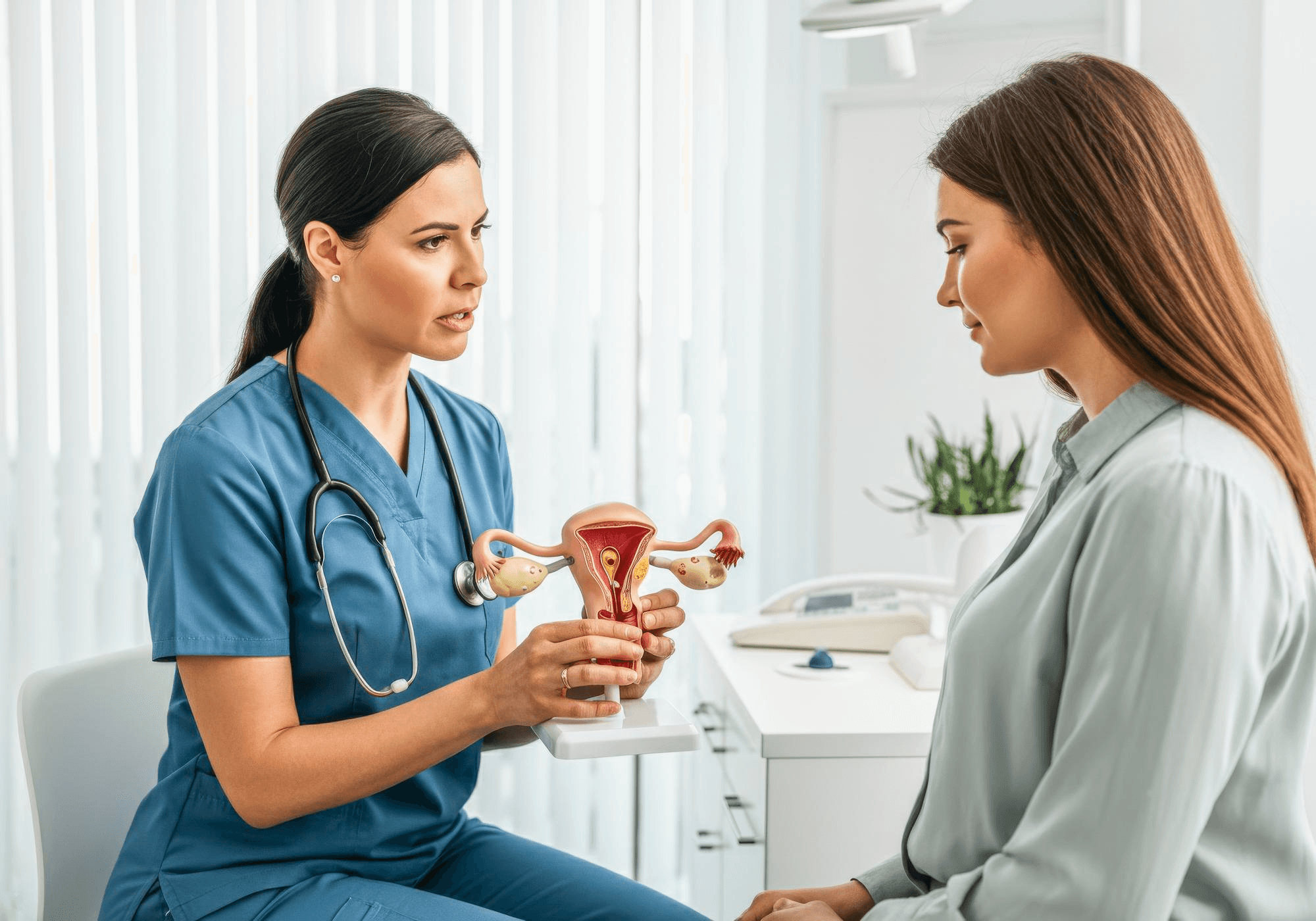
Physical examination assesses pelvic floor tone (relevant for pain/penetration disorders), vaginal health (atrophy, lubrication), and any pelvic pathology. Hormonal blood tests assess oestrogen, testosterone, prolactin, and thyroid function.
Treatment
Treatment is tailored to the identified causes and the affected dimension of sexual response:
For desire disorders:
- Treat underlying depression, anxiety, or relationship issues with appropriate psychotherapy and/or medication
- Address hormonal causes — testosterone therapy has the strongest evidence for HSDD, particularly in surgically menopausal women (off-label in India but used by specialist clinicians)
- Review medications — if an SSRI is causing HSDD, switching to bupropion (which is less likely to impair sexual function) or adding a low dose of another agent may help
For arousal and lubrication:
- Local vaginal oestrogen (in postmenopausal or breastfeeding women) — the most effective treatment for atrophic causes of arousal and lubrication deficits
- Vaginal moisturisers (non-hormonal) — daily use
- Lubricants during intercourse — water-based for use with condoms; silicone-based for longer-lasting effect
- Vaginal laser therapy — CO2 fractional laser for atrophic vaginal changes
For genito-pelvic pain/penetration disorder:
- Pelvic floor physiotherapy — the cornerstone of treatment, addressing pelvic floor muscle hypertonia and vaginismus
- Graduated vaginal trainers (dilators) — used progressively under physiotherapist guidance
- Topical local anaesthetic for vestibulodynia
- Psychological support addressing fear-avoidance and trauma components
- Botulinum toxin (Botox) injection into the pelvic floor — for severe vaginismus not responding to physiotherapy
For orgasmic disorder:
- Directed masturbation training (sex therapy) — the most evidence-based approach for primary anorgasmia
- Addressing medication side effects (SSRIs)
- Pelvic floor physiotherapy for secondary orgasmic difficulties following pelvic floor changes
Psychosexual therapy and couples therapy: For relationship-based factors and psychological causes, sex therapy from a trained therapist is often the most appropriate and effective intervention.
Gynaecological Care in Noida and Greater Noida
Dr. Shachi Singh at Prakash Hospital, Sector 33, Noida, provides compassionate assessment and management of female sexual dysfunction — including hormonal evaluation, vaginal treatment, pelvic floor assessment, and referral to appropriate psychological or physiotherapy support — for women across Noida and Greater Noida.
To book a consultation with Dr. Shachi Singh, call: +91 97023 46853
Clinic Hours: Monday to Saturday, 9 AM – 6 PM | Sunday, 10 AM – 2 PM
This blog is for informational purposes only. Please consult Dr. Shachi Singh or a qualified gynaecologist for assessment and management specific to your situation.