CIN 1, 2, 3: Understanding Your Cervical Biopsy Result

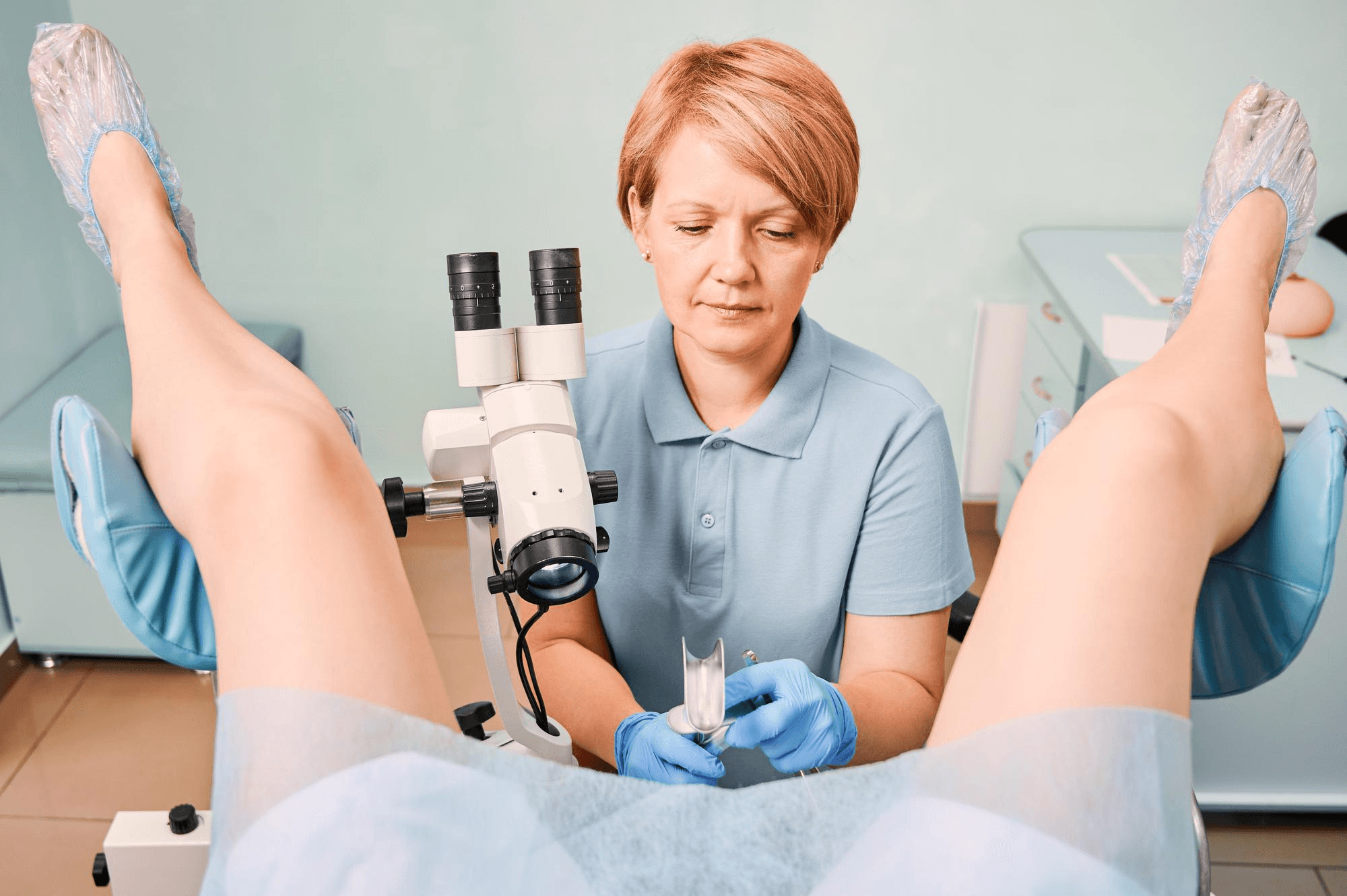
Gynecologist interacting with patient.
A cervical biopsy result showing CIN — cervical intraepithelial neoplasia — is one of the most anxiety-inducing results in gynaecological medicine, despite being almost universally treatable. CIN is not cancer. It is a pre-cancerous change — and the entire point of Pap smear screening and colposcopy is to find it and treat it before it ever becomes cancer.
Dr. Shachi Singh, consultant gynaecologist at Prakash Hospital, Sector 33, Noida, explains what CIN means and what happens next.
What CIN Is
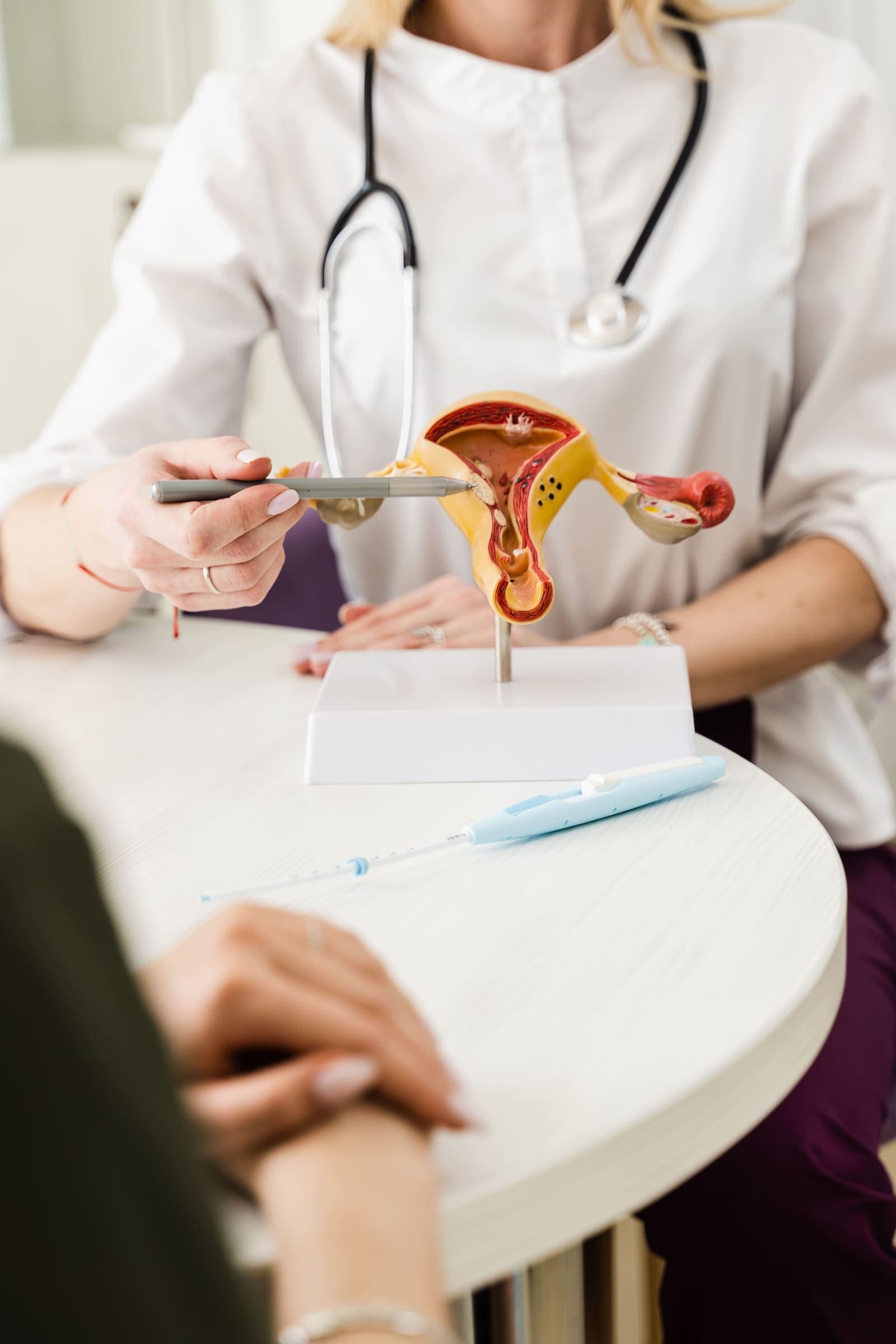
The cervical transformation zone — where the two types of cervical cells meet — is the area most vulnerable to HPV infection and the most common site of CIN development.
CIN describes abnormal cell changes confined to the cervical epithelium (the surface layer). "Intraepithelial" means within the epithelium — the cells are abnormal but have not invaded through the basement membrane into the tissue below. CIN is not invasive cancer. It cannot spread to other parts of the body. It is a localised surface change.
The grade of CIN reflects how much of the epithelial thickness is occupied by abnormal cells:
CIN 1: Abnormal cells in the bottom one-third of the epithelial layer. The majority of the epithelium (two-thirds) is still normal. This is the mildest grade — caused by active HPV infection, and the immune system clears it in most women without treatment.
CIN 2: Abnormal cells in the bottom two-thirds of the epithelium. Moderate dysplasia. An intermediate grade — may regress, may persist, may (less commonly) progress.
CIN 3 (including carcinoma in situ — CIS): Abnormal cells occupying the full thickness of the epithelium. The cells look highly abnormal microscopically (high-grade changes). This is the most significant pre-cancerous lesion — it will progress to invasive cancer if left untreated over years.
The Role of HPV
Almost all CIN is caused by persistent infection with high-risk strains of Human Papillomavirus (HPV) — most commonly HPV 16 and HPV 18, which together account for approximately 70% of cervical cancers. HPV is a very common sexually transmitted infection — the majority of sexually active adults encounter it at some point.
Most HPV infections are cleared by the immune system within 1 to 2 years without causing any lasting changes. CIN develops when the infection persists and the virus integrates into the host cell's DNA, disrupting normal cell growth regulation.
Natural History: What Happens Without Treatment
Understanding the natural history is the key to understanding why CIN 1 is managed differently from CIN 3:
CIN 1:
- Spontaneous regression (returns to normal): approximately 60 to 70% within 2 years
- Persistence: approximately 20 to 30%
- Progression to CIN 2/3: approximately 10%
- Progression to invasive cancer: less than 1%
CIN 2:
- Spontaneous regression: approximately 40 to 50%
- Persistence: approximately 30 to 35%
- Progression to CIN 3 or above: approximately 20%
CIN 3:
- Very low rate of spontaneous regression
- Significant risk of progression to invasive cancer if untreated over years: approximately 30 to 50% over 30 years
Management
CIN 1:
Active surveillance — repeat colposcopy and Pap smear at 12 months. If still CIN 1 at 12 months, continue surveillance. If regression to normal — return to routine screening. Treatment is not routinely recommended for CIN 1 because the high rate of spontaneous regression means treating all CIN 1 would result in unnecessary procedures for the majority.
CIN 2:
Can be managed with either treatment or surveillance in women under 25 or those wishing to preserve fertility, in discussion with the clinician. Standard management in most women is treatment — LEEP/LLETZ (see Blog 135).
CIN 3:
Treatment is recommended in all cases — LEEP/LLETZ is the standard approach.
After Treatment
Following LEEP/LLETZ treatment for CIN 2 or 3, follow-up is essential:
- Test of cure: co-testing with HPV test and smear at 6 months after treatment
- If HPV-negative and normal smear: return to 3-yearly screening
- If HPV-positive or abnormal smear: repeat colposcopy
The treatment removes the affected tissue and the HPV infection in most cases, but HPV can persist and new CIN can develop — hence the importance of follow-up.
Gynaecological Care in Noida and Greater Noida
Dr. Shachi Singh at Prakash Hospital, Sector 33, Noida, manages CIN across all grades — from surveillance of CIN 1 to LEEP/LLETZ treatment of CIN 2 and 3 — for women across Noida and Greater Noida.
To book a consultation with Dr. Shachi Singh, call: +91 97023 46853
Clinic Hours: Monday to Saturday, 9 AM – 6 PM | Sunday, 10 AM – 2 PM
Clinic Address: D-12A, 12B, Sector-33, G.B. Nagar, Noida, Uttar Pradesh 201301
*This blog is written for educational and informational purposes only. Please consult Dr. Shachi Singh or a qualified gynaecologist for guidance specific to your biopsy result.