Chronic Pelvic Pain: Why It's Difficult to Diagnose and What Actually Helps

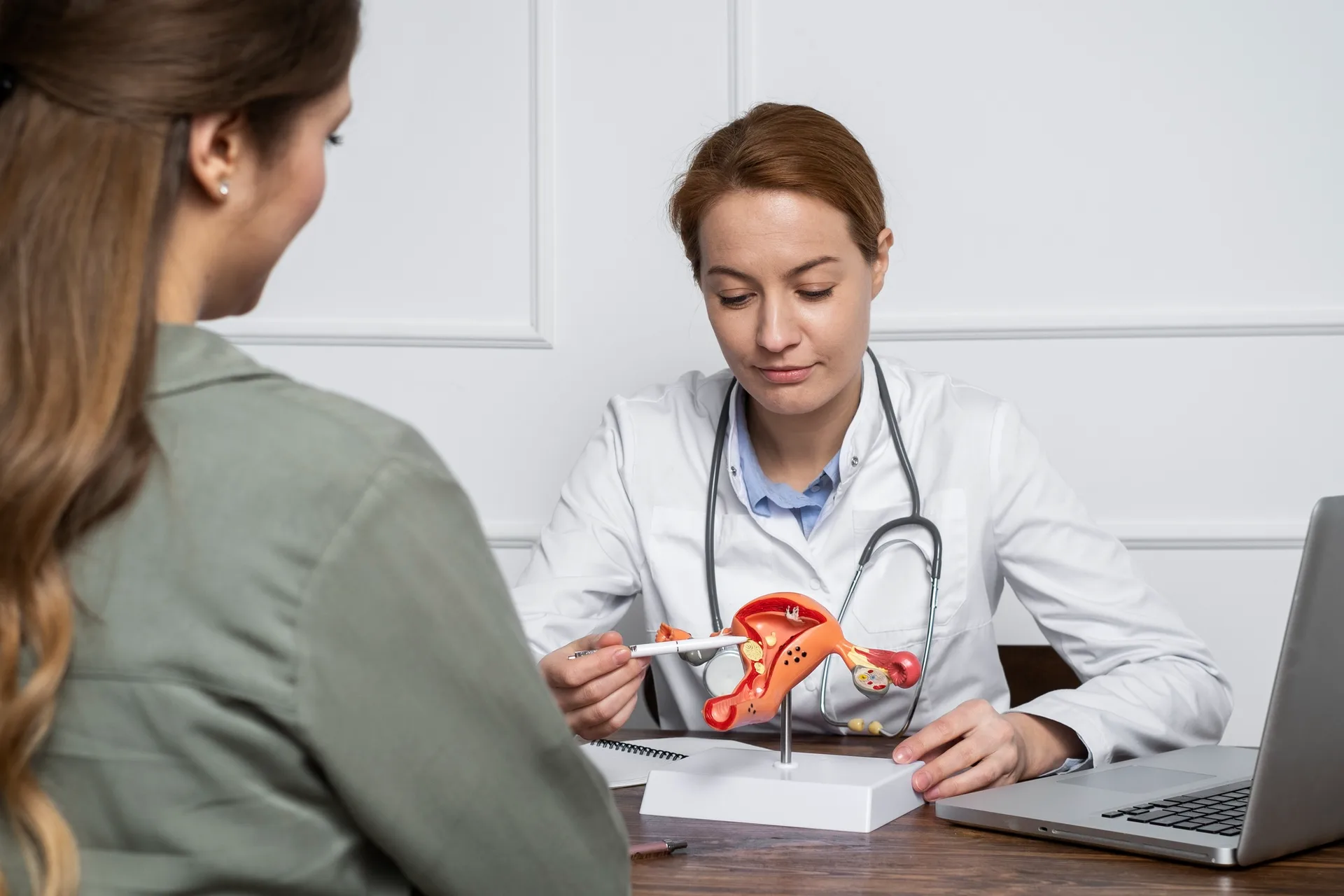
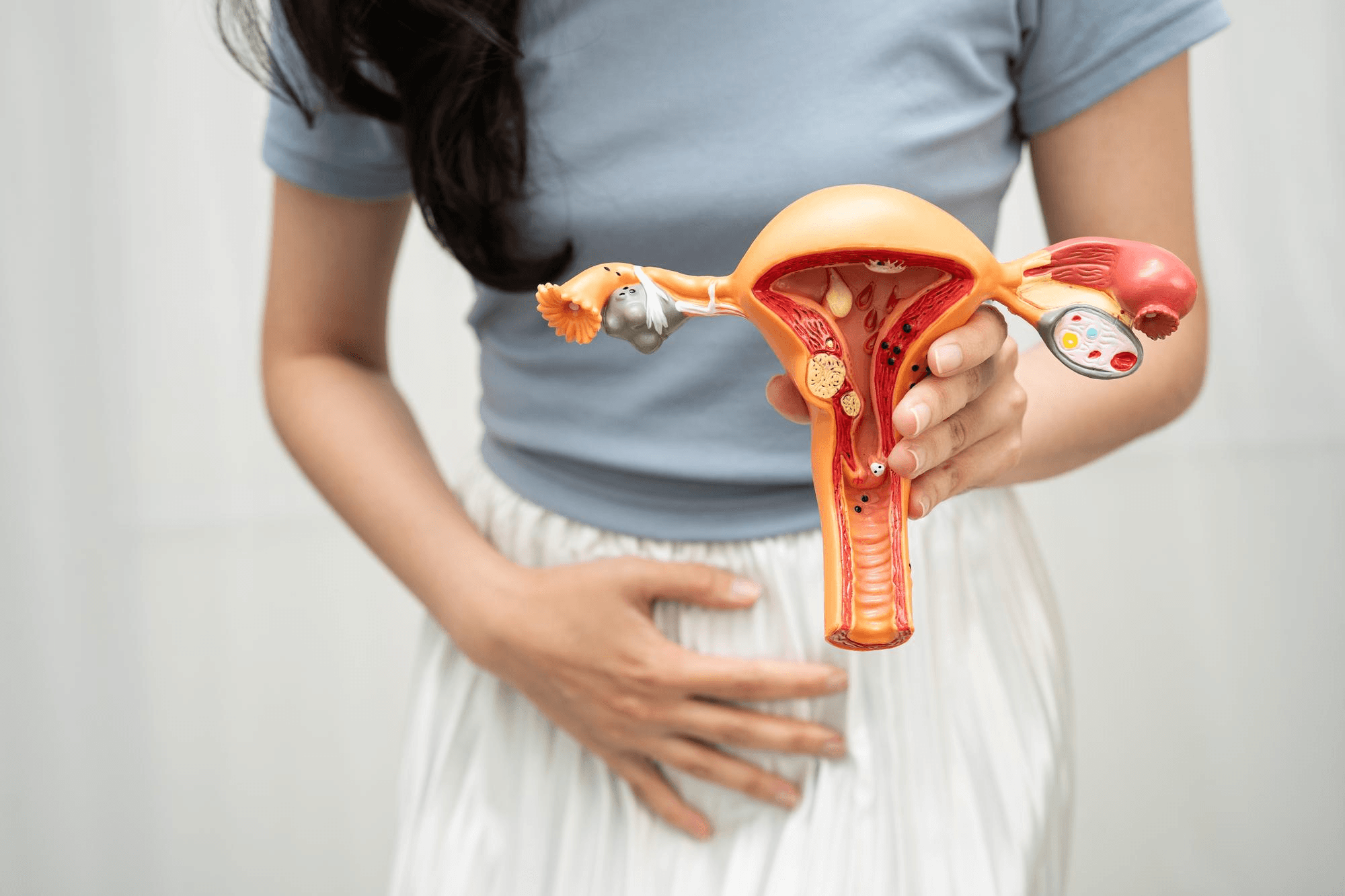
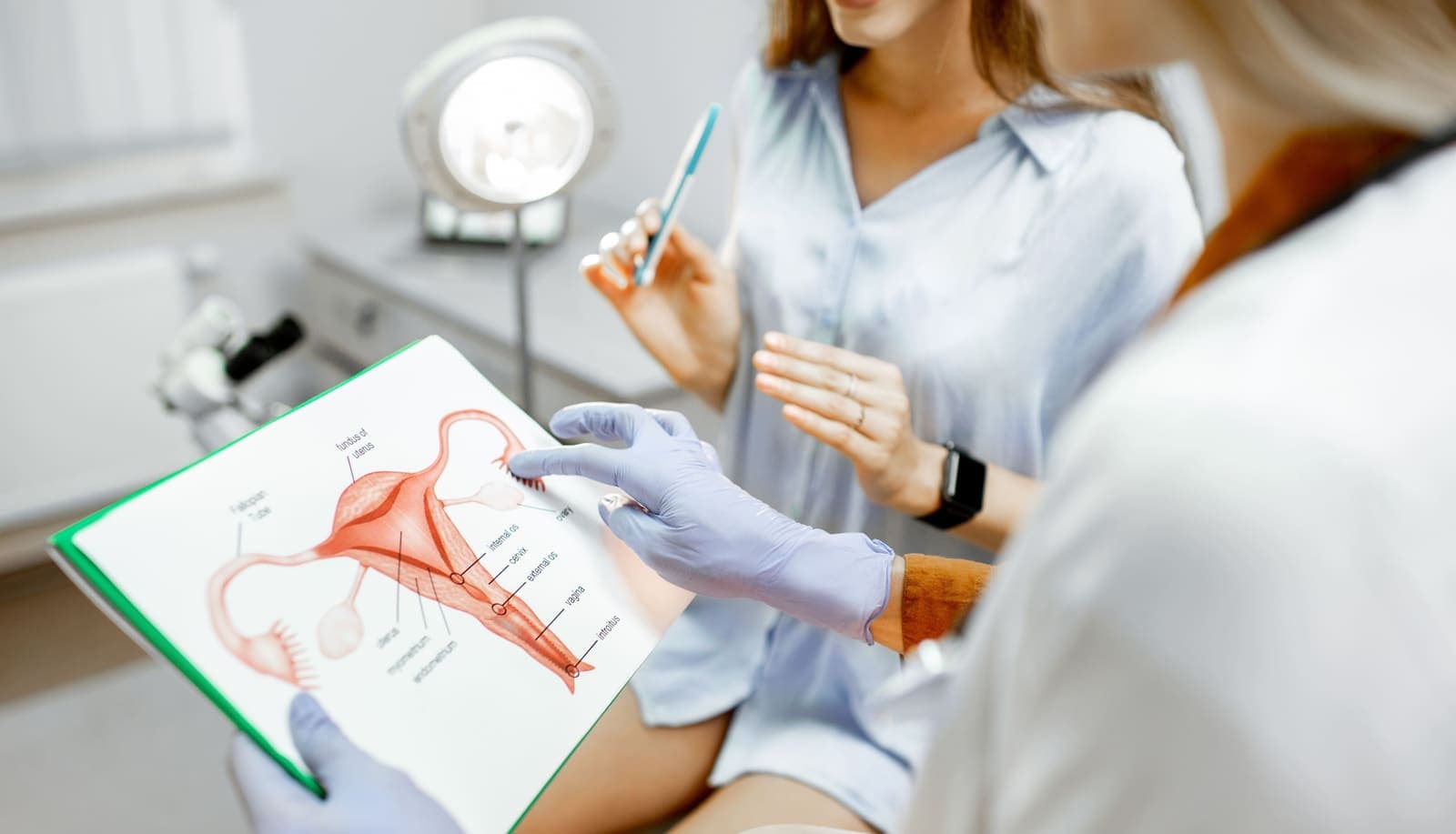
Woman visits a gynecologist to report on endometriosis symptoms, complaining of pelvic pain.
Chronic pelvic pain — pain in the lower abdomen or pelvis lasting more than 6 months — is one of the most complex presentations in gynaecology. It is common, affecting approximately 15 to 25% of women at some point in their lives, and it is frequently undertreated. Many women are told "everything is normal" after a single ultrasound and are discharged without a thorough investigation — leaving them without a diagnosis and without effective treatment.
The complexity is real. Chronic pelvic pain has multiple potential causes — gynaecological, gastrointestinal, urological, musculoskeletal, and neuropathic — often overlapping. Finding and treating the cause requires a systematic, unhurried approach.
Dr. Shachi Singh, consultant gynaecologist at Prakash Hospital, Sector 33, Noida, explains.
Gynaecological Causes
Endometriosis: The most important and most frequently missed gynaecological cause of chronic pelvic pain. Endometriosis produces a chronic inflammatory environment causing deep, aching pain that is often cyclic (worse premenstrually and during menstruation) but can be continuous in severe cases. Deep dyspareunia (pain during intercourse) and painful defecation are characteristic. It cannot be reliably excluded on ultrasound — diagnostic laparoscopy is required.
Adenomyosis: Endometrial glands growing into the uterine muscle wall — causes heavy, painful periods and a chronically tender, enlarged uterus. Often coexists with endometriosis.
Pelvic adhesions: Scar tissue from previous surgery, PID, or endometriosis tethers normally mobile organs — causing chronic pain with movement and positional change.
Ovarian cysts: Endometriomas and other cysts cause a persistent ache, often worse on the affected side.
Chronic pelvic inflammatory disease: Undertreated or recurrent PID causes ongoing tubal and peritoneal inflammation with chronic pelvic pain and deep dyspareunia.
Pelvic congestion syndrome: Varicose veins in the pelvis (pelvic varicosities) — engorged, dilated ovarian and uterine veins — cause a dull, heavy pelvic ache that worsens with prolonged standing, at the end of the day, and during/after intercourse. More common in women who have had pregnancies. Often missed because standard ultrasound does not always identify pelvic varicosities — Doppler ultrasound or MRI is needed.
Interstitial cystitis/bladder pain syndrome: Chronic bladder pain with urinary urgency and frequency — often misdiagnosed as recurrent UTI. Pain is felt in the lower abdomen and pelvis, worse with bladder filling.
Non-Gynaecological Causes
Irritable bowel syndrome (IBS): The most common gastrointestinal cause — causes diffuse lower abdominal cramping, bloating, and altered bowel habit. Often coexists with gynaecological causes of pelvic pain.
Pelvic floor dysfunction: Hypertonic (overtight) pelvic floor muscles — from previous trauma, childbirth injury, vaginismus, or habitual guarding — cause a chronic aching or burning pelvic pain, often with painful intercourse and difficulty with tampon use or speculum examination.
Musculoskeletal causes: Coccydynia (tailbone pain), sacroiliac joint dysfunction, pubic symphysis dysfunction — all refer pain to the pelvis.
Neuropathic pain: Central sensitisation — the nervous system amplifying pain signals — can develop and persist after an initial cause (such as a resolved infection or surgery) has been treated. The pain is real and disabling even when no active pathology is found.
Investigation
Thorough investigation of chronic pelvic pain includes
- Complete symptom history — location, character, timing, relationship to cycle, bowel and bladder symptoms, sexual function, previous surgeries and infections
- Full pelvic examination — bimanual assessment for tenderness, uterine mobility, adnexal tenderness, pelvic floor assessment
- Swabs — excluding active infection
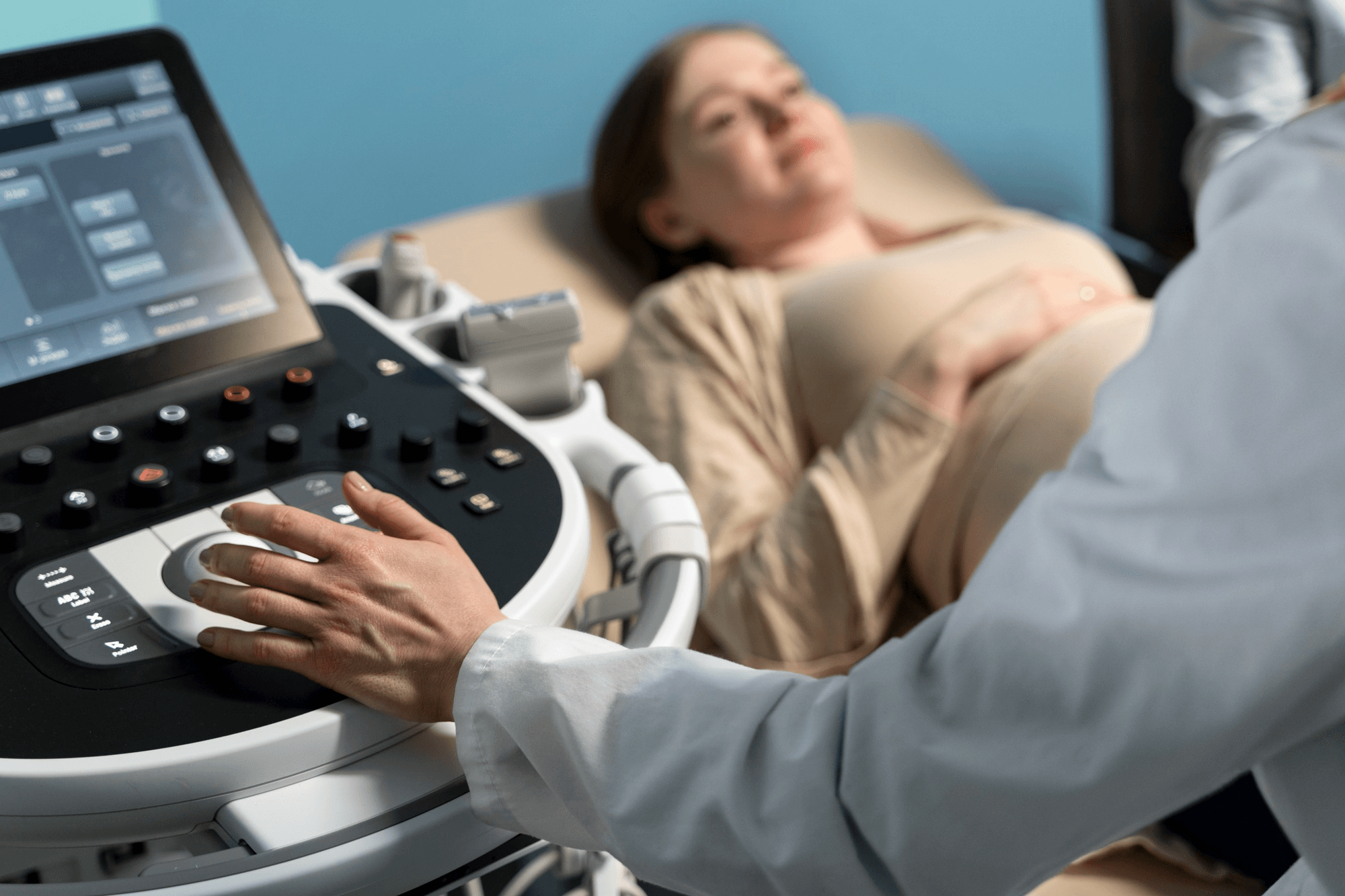
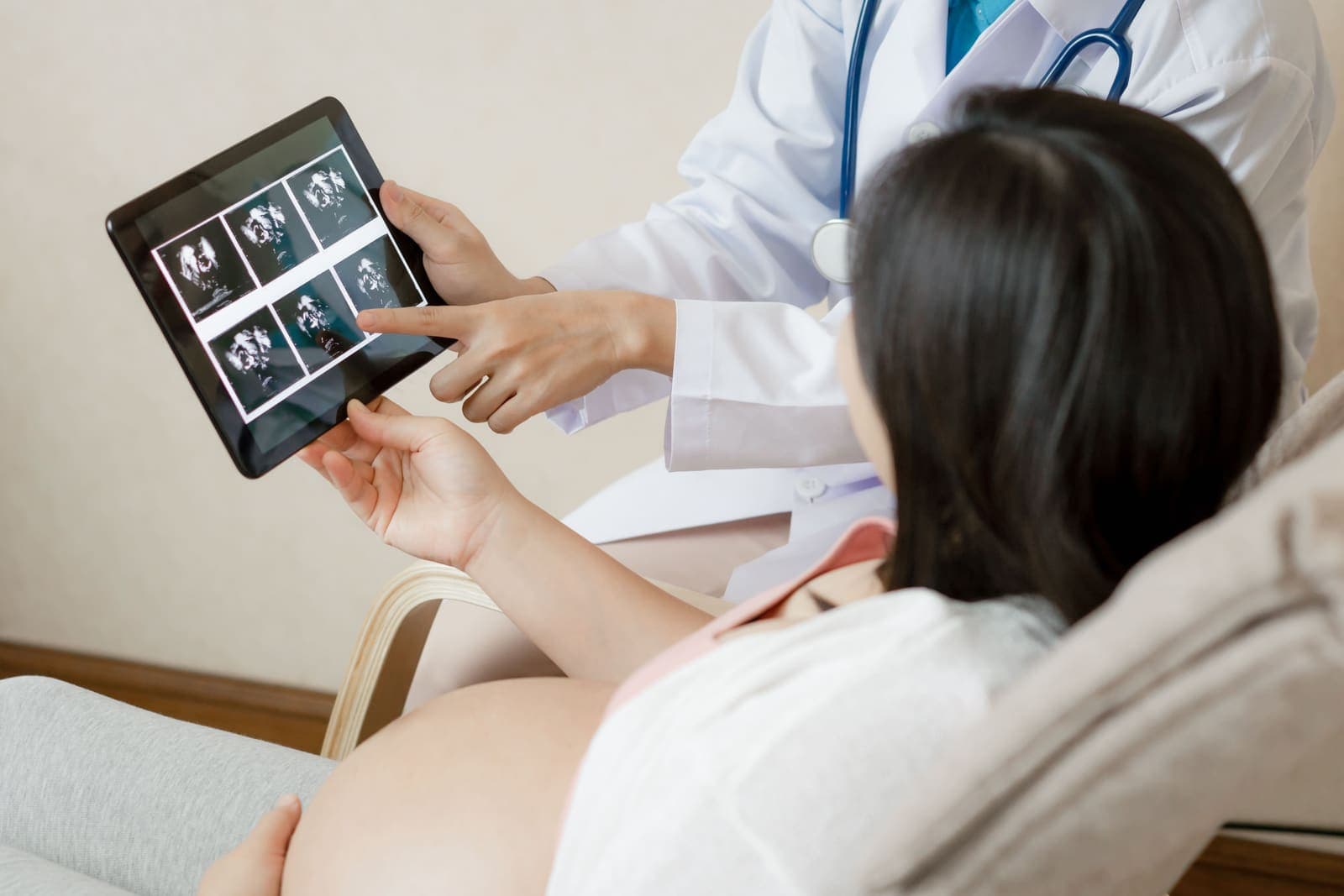
- Transvaginal ultrasound — ovarian cysts, fibroid, adenomyosis features, endometrial assessment
- Pelvic Doppler ultrasound — for pelvic congestion assessment
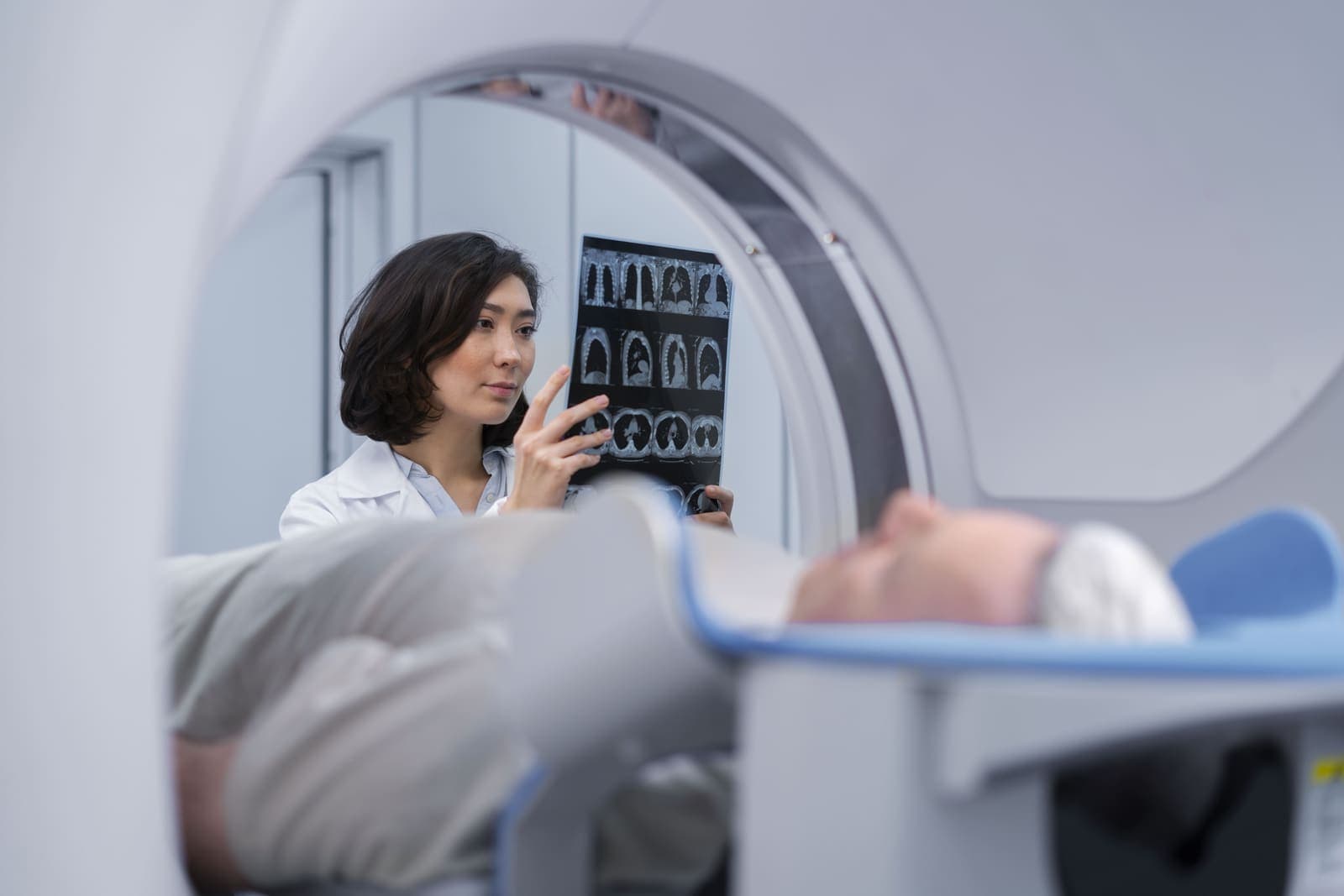
- MRI pelvis — more detailed anatomical assessment, deep infiltrating endometriosis mapping
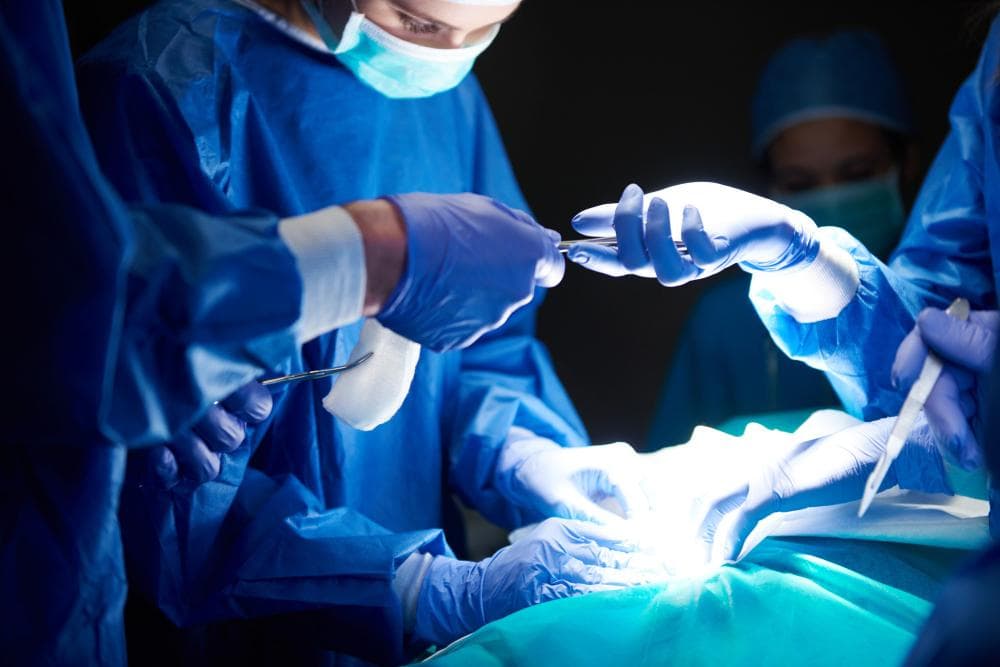
- Laparoscopy — the definitive investigation for endometriosis, adhesions, and other structural causes not visible on imaging
Treatment
Treatment is cause-specific and often multimodal:
Endometriosis: Hormonal suppression (combined OCP, progestin, GnRH analogue), laparoscopic excision for moderate to severe disease.
Adhesions: Laparoscopic adhesiolysis.
Pelvic congestion: Ovarian vein embolisation (by an interventional radiologist), or laparoscopic ligation of the ovarian veins.
Pelvic floor dysfunction: Women's health physiotherapy — manual therapy, biofeedback, trigger point release.
IBS: Dietary modification (low FODMAP diet), antispasmodics, gut-directed psychotherapy.
Central sensitisation and neuropathic pain: Tricyclic antidepressants (amitriptyline), gabapentinoids, pain psychology and CBT — a multidisciplinary pain medicine approach.
Gynaecological Care in Noida and Greater Noida
Dr. Shachi Singh at Prakash Hospital, Sector 33, Noida, provides a thorough, systematic investigation and management of chronic pelvic pain for women across Noida and Greater Noida.
To book a consultation with Dr. Shachi Singh, call: +91 97023 46853
Clinic Hours: Monday to Saturday, 9 AM – 6 PM | Sunday, 10 AM – 2 PM
Clinic Address: D-12A, 12B, Sector-33, G.B. Nagar, Noida, Uttar Pradesh 201301
This blog is for educational purposes only. Please consult Dr. Shachi Singh for assessment specific to your symptoms.