Asherman's Syndrome: What Intrauterine Adhesions Are and How They Are Treated
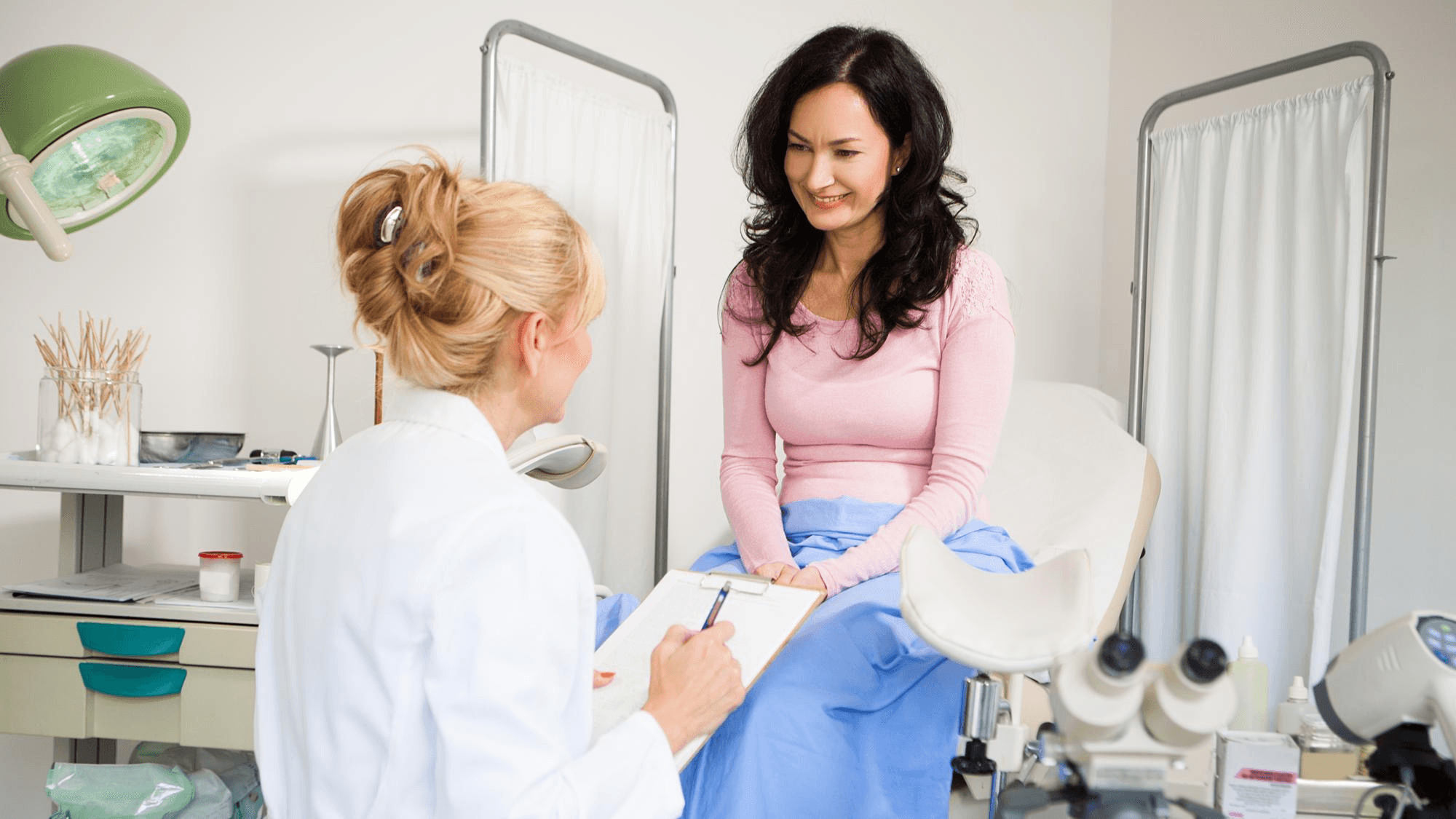
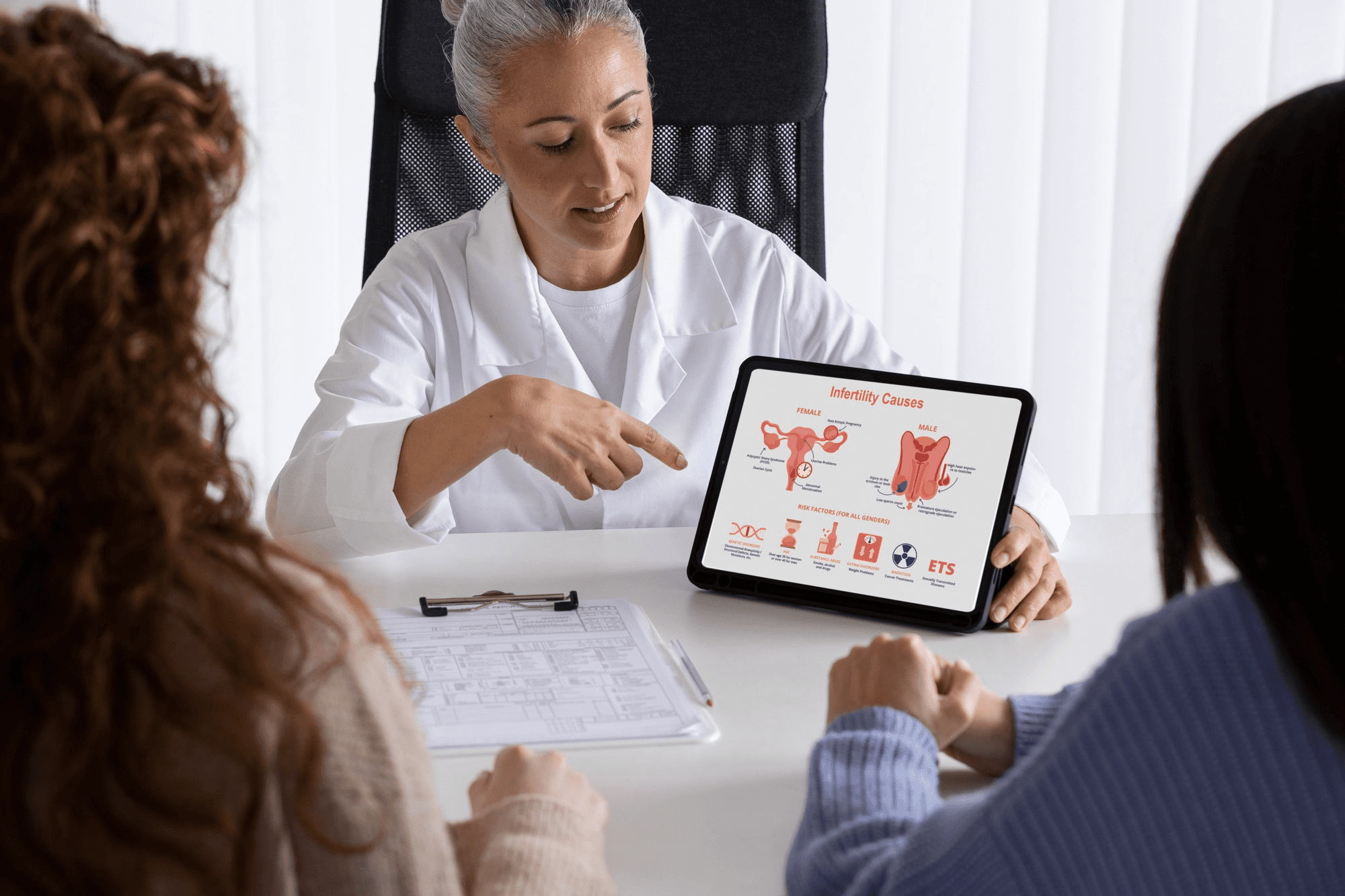
Woman consulting a gynecologist in a clinic discussing symptoms, treatment options, and reproductive health concerns in a professional and supportive environment
Asherman's syndrome — the formation of scar tissue (adhesions) inside the uterine cavity — is one of the most underrecognised causes of light periods, absent periods, recurrent miscarriage, and difficulty conceiving after a uterine procedure. Many women are told their light periods after a D&C are "normal" without being investigated for the scar tissue that may be causing them.
Dr. Shachi Singh, consultant gynaecologist at Prakash Hospital, Sector 33, Noida, explains.
How Intrauterine Adhesions Form
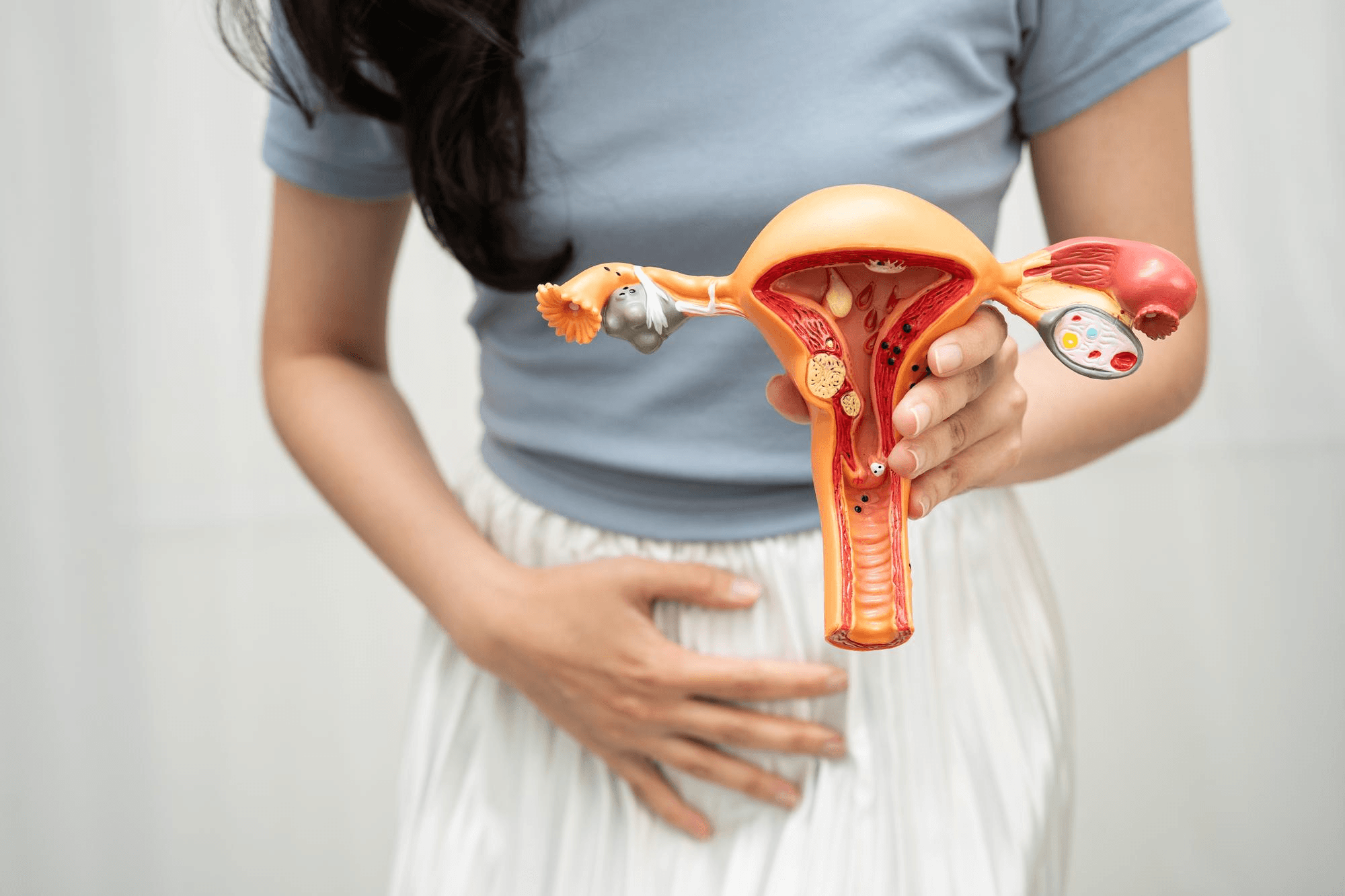
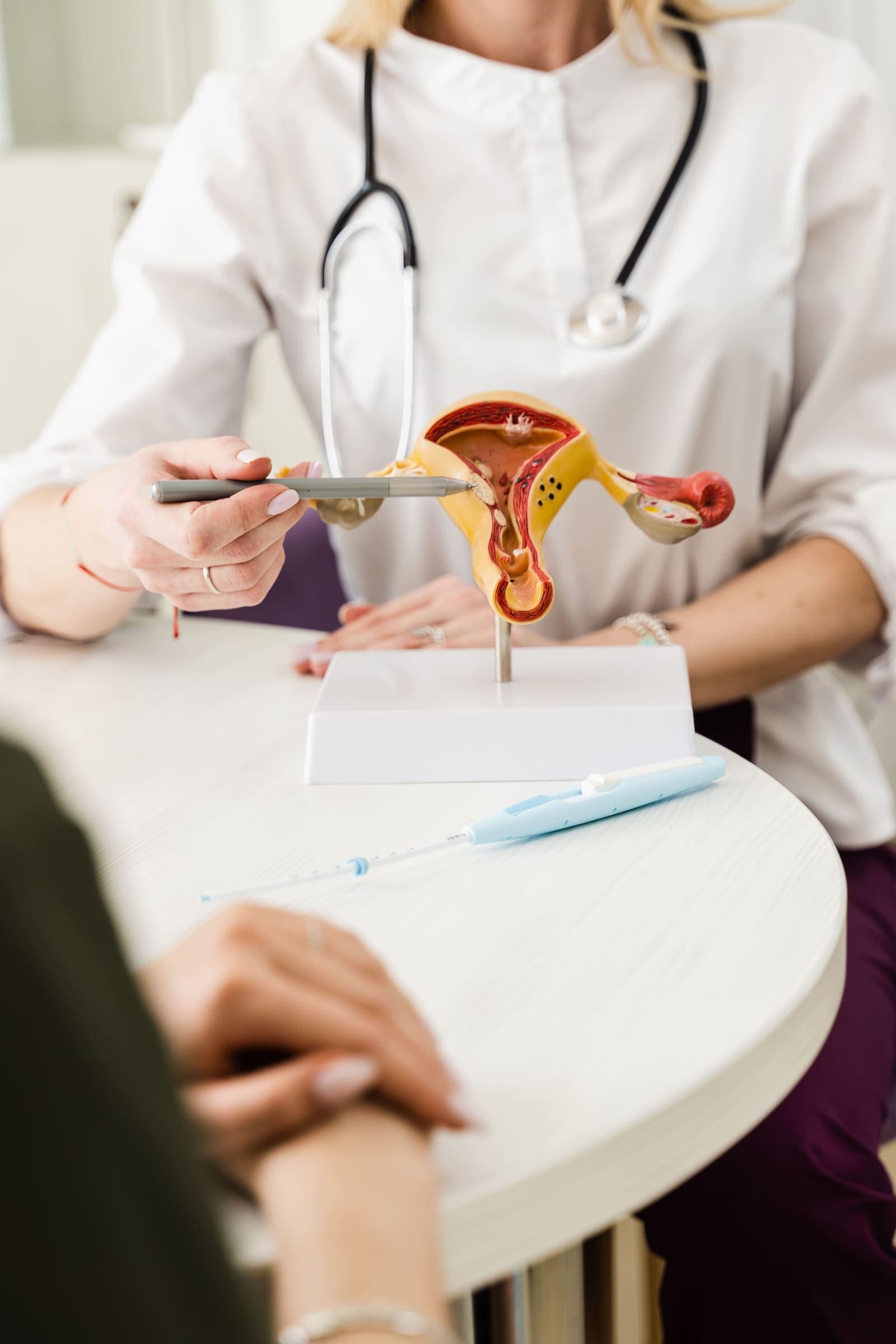
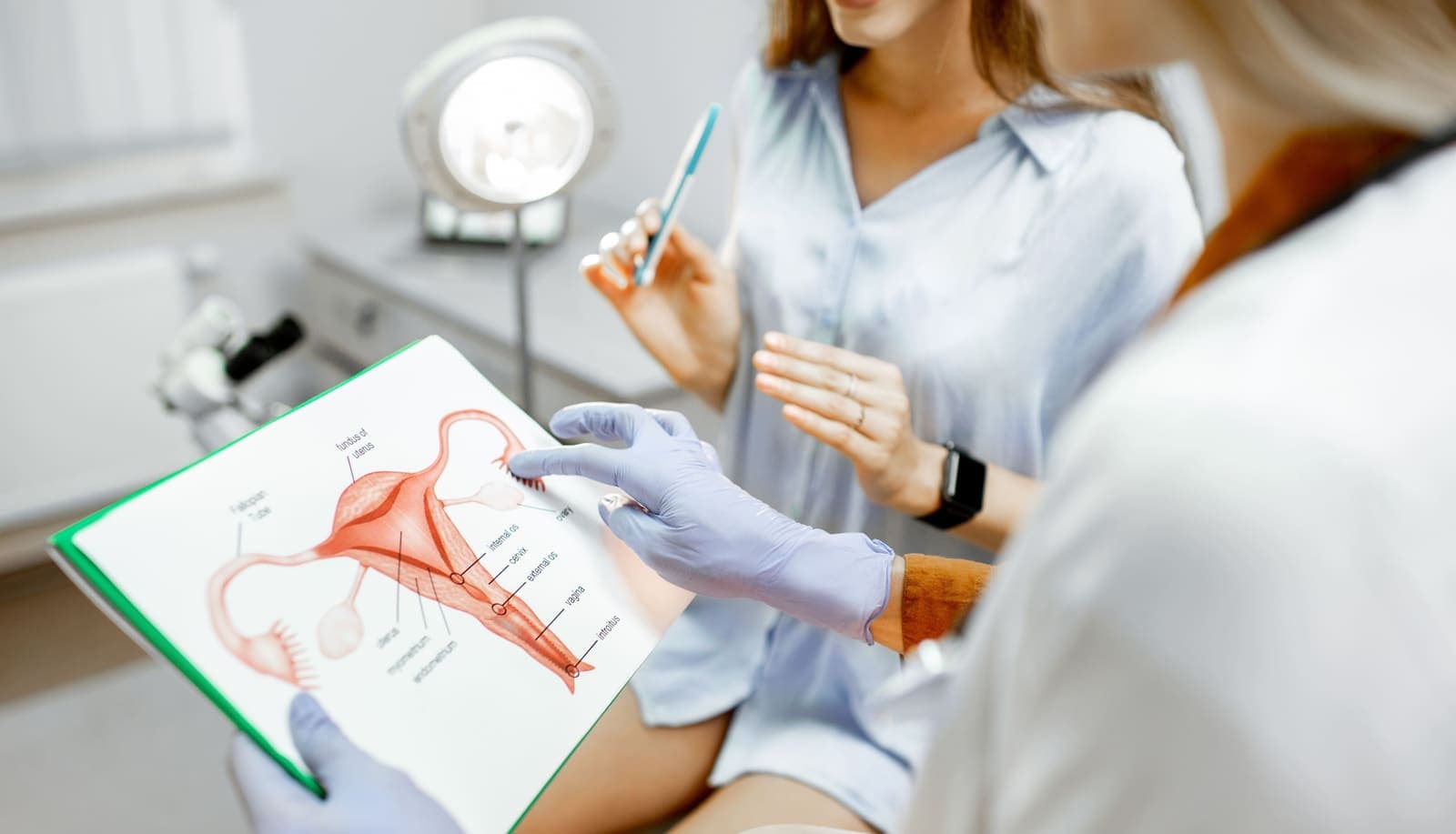
The uterine cavity is lined by the endometrium — a dynamic, regenerating tissue that sheds each month and regenerates in preparation for implantation. When the endometrial basal layer (the deep regenerative layer) is damaged, the two opposing walls of the uterus can adhere together as they heal, forming fibrous scar bands across the cavity.
Common causes:
Post-curettage (D&C): The most common cause by far. Curettage after a miscarriage, after delivery (for retained products), or for diagnostic purposes carries a risk of endometrial basal layer damage — particularly when the procedure is performed on a recently pregnant uterus (which is more vascular and the endometrium more vulnerable) or when repeat procedures are performed.
Post-myomectomy or other uterine surgery: Any surgery that opens the uterine cavity carries adhesion risk.
Uterine infections: Severe or undertreated endometritis (uterine infection) — including post-partum and post-abortion infection, and pelvic tuberculosis (a significant cause in India) — causes scarring of the endometrial lining.
Post-radiation: Pelvic radiotherapy for cancer can cause endometrial damage and adhesion formation.
Symptoms
Hypomenorrhoea (very light periods): The most characteristic symptom. If periods become dramatically lighter after a D&C or uterine procedure — particularly if the flow is reduced to spotting — Asherman's should be suspected.
Amenorrhoea (absent periods): In severe Asherman's, the uterine cavity is largely or completely obliterated by adhesions. The endometrium cannot shed — periods stop entirely. The woman may experience cyclical pelvic pain as the trapped menstrual blood cannot exit (haematometra).
Recurrent miscarriage: Adhesions distort the uterine cavity and reduce the area available for embryo implantation — increasing miscarriage risk.
Infertility: Difficulty conceiving from a combination of impaired implantation and blocked uterine cavity.
Diagnosis
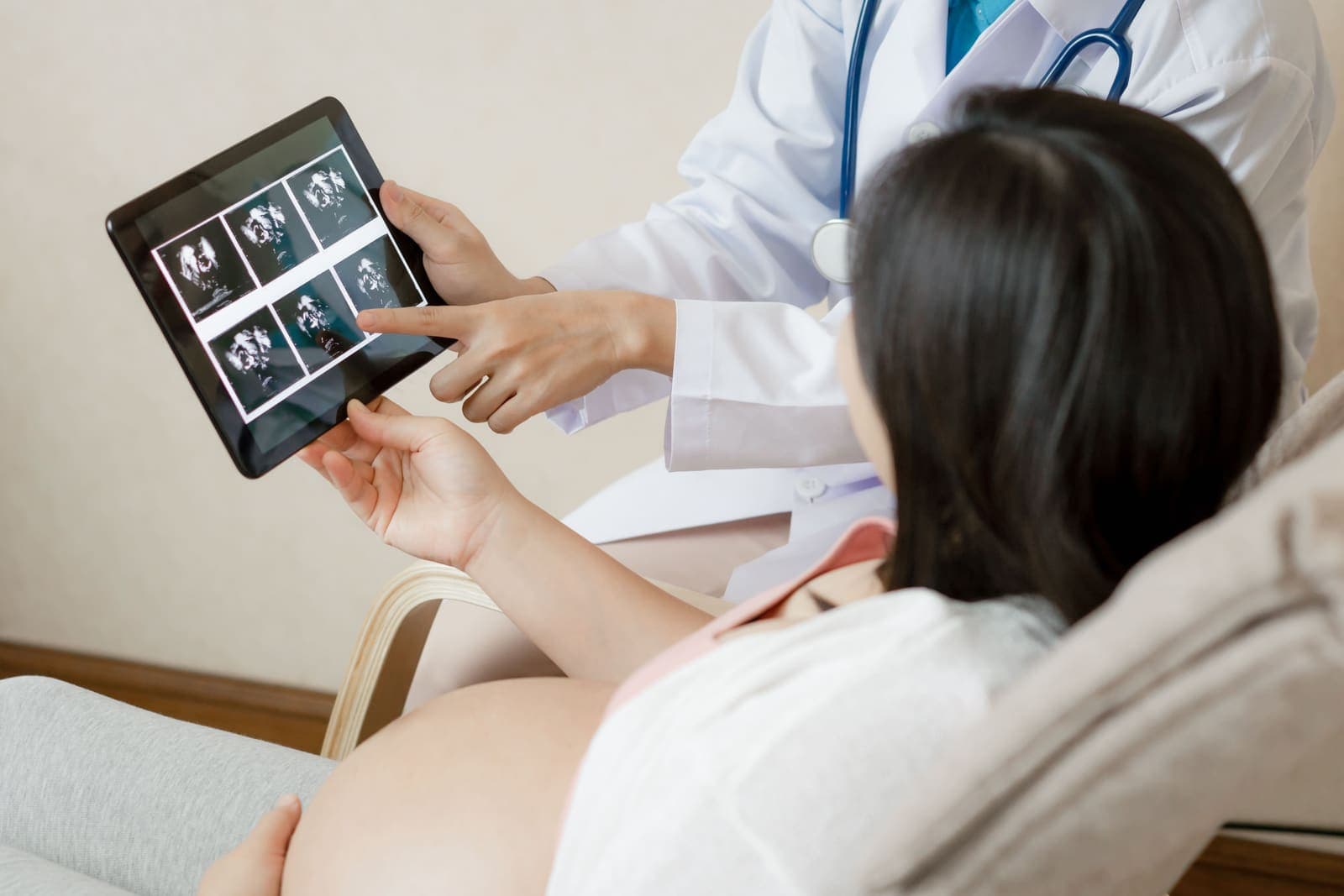
Sonohysterography (saline infusion sonography — SIS): Saline is injected into the uterine cavity during an ultrasound examination. Adhesions appear as echogenic bands crossing the cavity or as areas where the cavity does not distend normally with fluid. A practical first-line investigation.
Hysteroscopy: The definitive diagnostic and simultaneously therapeutic investigation. Direct visualisation of the uterine cavity with the hysteroscope shows adhesion bands, their extent, and their nature (filmy and thin vs dense and fibrous). This is the gold standard.
MRI: Occasionally used when sonohysterography is inconclusive.
Treatment: Hysteroscopic Adhesiolysis
The standard treatment is hysteroscopic adhesiolysis — cutting and releasing the adhesion bands under direct visualisation using the hysteroscope. The procedure is performed under general anaesthesia as a day procedure.
Technique: A hysteroscope is passed through the cervix into the uterine cavity. Adhesion bands are divided using microscissors (preferred for delicate adhesiolysis), electrosurgical energy, or laser. The goal is to restore a normal uterine cavity.
After surgery — preventing re-adhesion:
The risk of adhesions reforming after adhesiolysis is significant — particularly for severe Asherman's. Post-operative measures to reduce re-adhesion include:
- Intrauterine balloon or IUCD placement to keep the cavity walls separated during healing
- High-dose oestrogen therapy (to stimulate endometrial regeneration) for 4 to 6 weeks
- Repeat hysteroscopy at 4 to 8 weeks to assess healing and treat any early re-formation
Outcome: For mild to moderate Asherman's, hysteroscopic adhesiolysis restores normal uterine anatomy and menstruation in the majority of cases, with pregnancy rates of 50 to 80% in women trying to conceive. Severe Asherman's — particularly after pelvic TB or complete cavity obliteration — is more challenging, with lower success rates.
Gynaecological Care in Noida and Greater Noida
Dr. Shachi Singh at Prakash Hospital, Sector 33, Noida, diagnoses and performs hysteroscopic adhesiolysis for Asherman's syndrome for women across Noida and Greater Noida.
To book a consultation with Dr. Shachi Singh, call: +91 97023 46853
Clinic Hours: Monday to Saturday, 9 AM – 6 PM | Sunday, 10 AM – 2 PM
Clinic Address: D-12A, 12B, Sector-33, G.B. Nagar, Noida, Uttar Pradesh 201301
This blog is for educational purposes only. Please consult Dr. Shachi Singh for assessment specific to your symptoms and history.