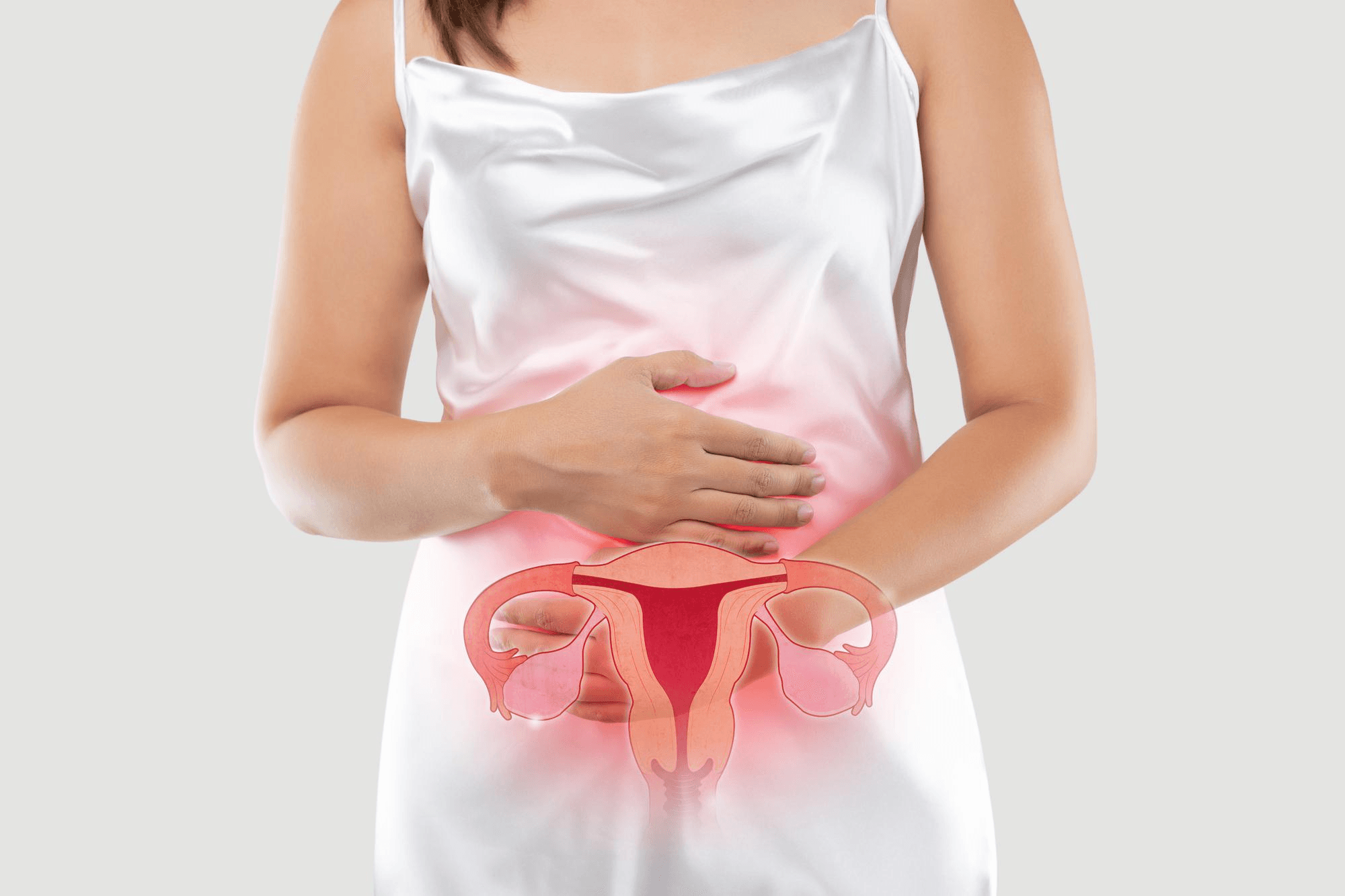
Cervical Cancer: Stages, Treatment Options, and What Early Detection Changes

doctor explaining anatomic model of the female reproductive system
India bears approximately a quarter of the world's cervical cancer burden — making it a significant public health issue and a deeply personal one for the many women and families affected. Understanding what cervical cancer stages mean, what treatment involves at each stage, and how dramatically early detection changes outcomes gives both those facing the diagnosis and those trying to prevent it a clearer picture.
Dr. Shachi Singh, consultant gynaecologist at Prakash Hospital, Sector 33, Noida, explains.
The FIGO Staging System
Cervical cancer is staged using the FIGO (International Federation of Gynecology and Obstetrics) classification:
Stage IA — Microscopic invasion: Cancer visible only under the microscope, not detectable on naked-eye examination. Divided into IA1 (invasion depth below 3 mm) and IA2 (3 to 5 mm). This is the earliest true cancer stage, but because it is microscopic and pre-clinical, it is entirely treatable.
Stage IB — Clinically visible or larger microscopic: Cancer visible on examination, confined to the cervix. IB1 (below 2 cm), IB2 (2 to 4 cm), IB3 (4 cm or more).
Stage II — Extends beyond cervix but not to pelvic wall or lower vagina: IIA (without parametrial involvement), IIB (with parametrial involvement — the tissue beside the uterus).
Stage III — Extends to pelvic wall or lower vagina, or causes kidney obstruction: IIIA (lower vagina), IIIB (pelvic wall), IIIC (lymph node involvement).
Stage IV — Extends beyond pelvis or involves bladder/rectum: IVA (adjacent organs), IVB (distant spread — lungs, liver, bones).
Treatment by Stage
Stage IA1: If fertility is desired — cone biopsy (removing a cone of cervical tissue) may be sufficient if surgical margins are clear. If fertility is not a concern — simple hysterectomy. Cure rate: above 99%.
Stage IA2 to IB1: Radical hysterectomy (removing the uterus, cervix, upper vagina, and pelvic lymph nodes) or definitive chemoradiation (external beam radiotherapy plus cisplatin-based chemotherapy, followed by brachytherapy). Both approaches have comparable cure rates. Radical hysterectomy is preferred in younger women (preserves ovarian function and avoids radiation effects). Cure rates: 85 to 95%.
Stage IB2 to IIB: Concurrent chemoradiation is the standard treatment — external beam radiotherapy plus weekly cisplatin chemotherapy, followed by brachytherapy. Cure rates: 65 to 85% for IB to IIA; 50 to 65% for IIB.
Stage III: Chemoradiation. Cure rates: 30 to 50%.
Stage IVA: Chemoradiation, possibly with additional procedures. Cure rates: 15 to 25%.
Stage IVB (metastatic): Palliative chemotherapy. Survival is measured in months to a few years.
Why Early Detection Changes Everything
The survival gap between Stage I (85 to 99% 5-year survival) and Stage IV (below 15%) is the clearest possible illustration of why screening works. The transition from normal cells to Stage I cancer takes approximately 10 to 15 years through detectable pre-cancerous stages (CIN 1, 2, 3). This entire window is detectable with Pap smear screening.
Every woman who develops Stage III or IV cervical cancer in India represents a preventable tragedy — detectable at pre-cancerous stages, treatable with simple outpatient procedures, converted to an avoidable death by absence of screening.
Gynaecological Cancer Care in Noida and Greater Noida
Dr. Shachi Singh at Prakash Hospital, Sector 33, Noida, provides cervical screening, colposcopy, and coordination of specialist oncological management for women across Noida and Greater Noida.
To book a consultation with Dr. Shachi Singh, call: +91 97023 46853
This blog is for informational purposes only. Please consult Dr. Shachi Singh or a qualified gynaecological oncologist for assessment and management specific to your situation.