Birth Control Options in India: An Honest Guide to Every Method

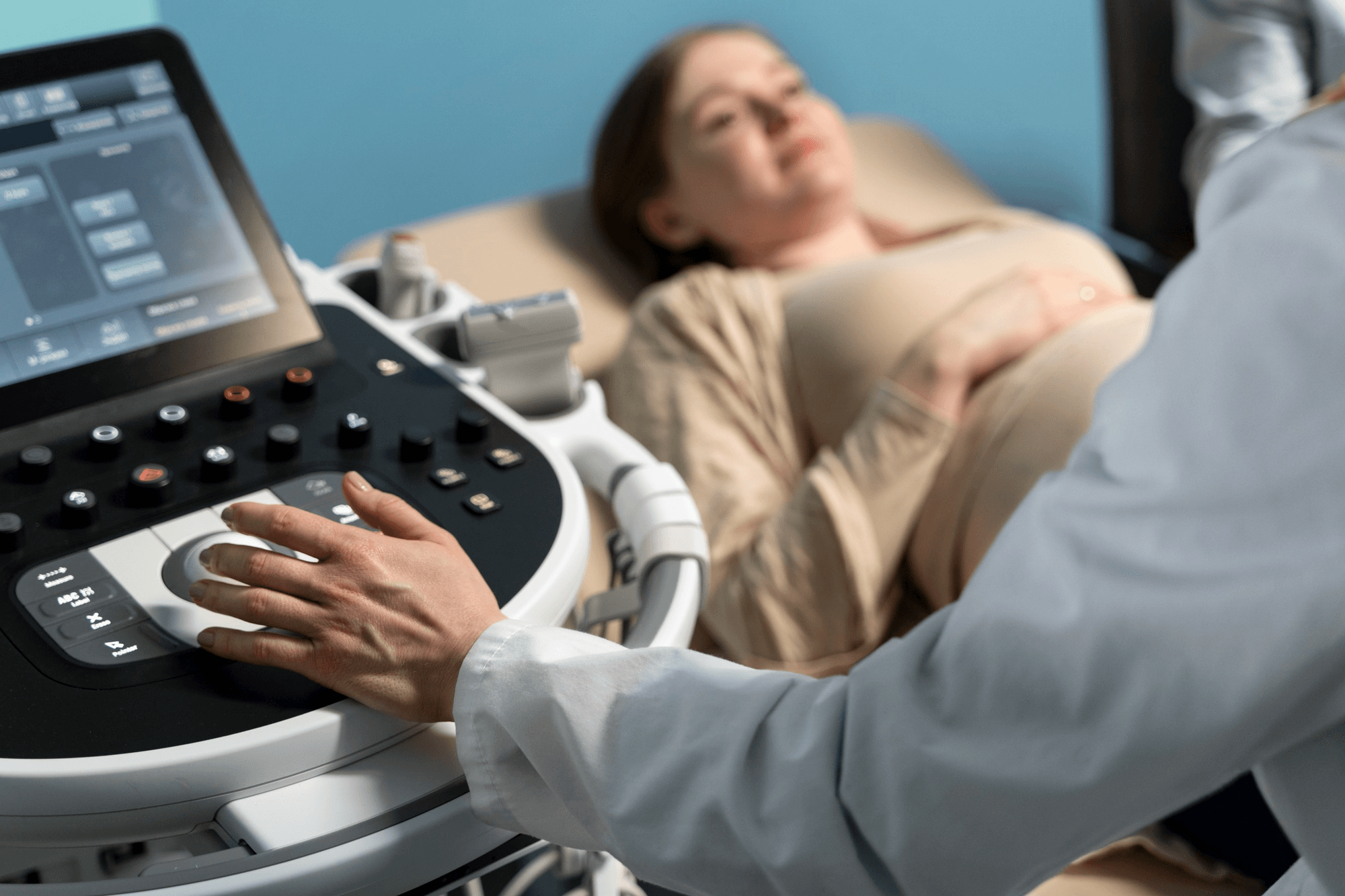
A gynecologist talks with a woman about birth control options in India.
India's contraceptive landscape is more limited in practice than it should be. Research shows that the majority of married women using contraception in India rely on female sterilisation — a permanent method that ends all pregnancy choices permanently. The IUD is used by fewer than 4%. The pill by around 5%. Reversible long-acting methods that are standard in most countries remain dramatically underutilised here.
The reasons are cultural, logistical, and educational. Many women simply do not know what is available. Many who do have heard myths — that the pill causes infertility, that the copper T damages the uterus, that injections cause permanent hormone problems. Almost none of these myths are true, and believing them costs women the ability to make informed decisions about their own bodies.
Dr. Shachi Singh, consultant gynaecologist at Prakash Hospital, Sector 33, Noida, walks through every contraceptive method available in India — how it works, how effective it is, who it suits, and what the real trade-offs are. No myths. No pressure. Just information.
How to Think About Contraceptive Choice
No single method is right for everyone. The best contraceptive for you depends on:
- How important it is to prevent pregnancy: Are you spacing pregnancies, delaying for years, or done completely?
- Whether you want a hormonal or non-hormonal method: Some women prefer to avoid hormones; others find hormonal methods beneficial for managing period symptoms
- Convenience: Can you remember to take a pill daily, or do you prefer something you do not need to think about?
- Whether you are breastfeeding: Some hormonal methods affect milk supply
- Your medical history: Certain conditions affect which options are safe
- Whether you want protection against STIs: Only barrier methods (condoms) protect against STIs in addition to preventing pregnancy
1. Combined Oral Contraceptive Pill (COC)
How it works: Contains synthetic oestrogen and progestin. Prevents ovulation, thickens cervical mucus (blocking sperm), and thins the uterine lining.
Effectiveness: 99% with perfect use; around 91% with typical use (accounting for missed pills).
Advantages:
- Highly effective
- Regulates and lightens periods — helpful for heavy periods, painful periods, endometriosis, and PMS
- Reduces the risk of ovarian and endometrial cancer
- Reversible — fertility returns quickly after stopping (usually within 1 to 2 months)
- Can be used to skip periods entirely (taking packs consecutively)
Disadvantages:
- Must be taken daily at approximately the same time
- No protection against STIs
- Can cause nausea, breast tenderness, or mood changes in some women (particularly in the first 3 months)
- Small increased risk of blood clots — relevant for women who smoke, are significantly overweight, or have a personal or family history of clotting disorders
Not suitable if you have: A history of blood clots, certain types of migraine (migraine with aura), uncontrolled high blood pressure, active liver disease, or are breastfeeding a baby under 6 weeks.
Myths:
- The pill does not cause infertility. Fertility returns to normal after stopping.
- The pill does not cause weight gain in most women — the evidence for a direct causal link is not strong.
2. Progestin-Only Pill (Mini-Pill)
How it works: Contains only progestin. Primarily works by thickening cervical mucus; also suppresses ovulation in some women.
Effectiveness: 99% with perfect use. Must be taken within a 3-hour window each day (stricter timing than the combined pill).
Advantages:
- Safe during breastfeeding
- No oestrogen — suitable for women who cannot take oestrogen-containing methods
Disadvantages:
- Irregular bleeding — spotting and breakthrough bleeding are common, particularly in the first few months
- Stricter timing requirement
3. Copper IUD (Copper T / CuT)
How it works: A small T-shaped copper device inserted into the uterus by a trained healthcare provider. Copper is toxic to sperm — it impairs sperm motility and prevents fertilisation. Also affects the uterine lining, making implantation less likely.
Effectiveness: Over 99% — one of the most effective reversible methods available.
Duration: 5 to 10 years, depending on the device. Can be removed at any time if pregnancy is desired.
Advantages:
- Highly effective without daily attention
- No hormones — does not affect ovulation or libido
- Immediately reversible — fertility returns within a cycle of removal
- Can be used as emergency contraception if inserted within 5 days of unprotected intercourse
- Suitable during breastfeeding
Disadvantages:
- Periods may become heavier and more crampy, particularly in the first few months after insertion
- Does not protect against STIs
- Requires insertion and removal by a trained doctor
Myths:
- The copper T does not cause uterine damage when inserted by a trained provider
- It can be used in women who have not had children, despite the common belief otherwise
- It does not cause infections on its own — the risk of infection at insertion is very small and related to pre-existing STIs, not the device itself
4. Hormonal IUD (Mirena)
How it works: A hormonal IUD that releases a small, localised amount of levonorgestrel (progestin) into the uterine cavity. Primarily works by thickening cervical mucus and thinning the uterine lining; in some women it also suppresses ovulation.
Effectiveness: Over 99%.
Duration: 5 years.
Advantages:
- Highly effective with no daily action required
- Dramatically reduces menstrual bleeding — most women have very light periods; many have no periods at all
- Excellent for treating heavy periods and endometriosis-related pain
- Minimal systemic hormone absorption — suitable for many women who cannot take systemic hormones
- Can be used during breastfeeding
Disadvantages:
- Irregular spotting for the first 3 to 6 months after insertion is common
- Requires insertion and removal by a doctor
- More expensive upfront than other methods
5. Injectable Contraceptive (Depo-Provera / Antara)
How it works: A progestin injection (Depo-Provera, medroxyprogesterone acetate) given once every 3 months. Suppresses ovulation.
Effectiveness: Over 99% with consistent use.
Advantages:
- No daily action required — injected every 3 months
- No oestrogen — suitable for breastfeeding women
- Reduces or eliminates periods in many users
Disadvantages:
- Irregular bleeding is common, particularly in the first year
- Fertility can take 6 to 18 months to return after stopping — not ideal for women who want to conceive in the near term
- Reversibility is slower than pill or IUD
- Some women experience mood changes, reduced libido, or bone density changes with long-term use
6. Condoms
How it works: Physical barrier preventing sperm from reaching the egg.
Effectiveness (male condom): 98% with perfect use; around 87% with typical use.
Advantages:
- The only contraceptive method that also protects against sexually transmitted infections (STIs) including HIV
- No prescription required
- No hormones
- Immediately reversible
Disadvantages:
- Must be used correctly every time — effectiveness depends heavily on consistent use
- Some people have latex allergy (non-latex condoms are available)
- Less reliable than long-acting methods
Note on flavoured condoms: Flavoured condoms are designed for oral sex. They should not be used for penetrative vaginal or anal intercourse — the added flavourings can disrupt vaginal pH and increase infection risk.
7. Emergency Contraception (Morning-After Pill)
How it works: High-dose levonorgestrel or ulipristal acetate delays or prevents ovulation. It does not terminate an established pregnancy.
Effectiveness: Reduces pregnancy risk by approximately 85 to 95% when taken within 72 hours (levonorgestrel) or 120 hours (ulipristal) of unprotected intercourse. The sooner it is taken, the more effective it is.
In India: Levonorgestrel emergency contraceptive pills (brands include i-Pill, Unwanted 72) are available over the counter. They are a backup option, not a regular contraceptive method.
Important: Emergency contraception is not the same as medical abortion (the abortion pill). It prevents pregnancy from occurring; it does not end an established pregnancy.
8. Permanent Contraception (Tubal Ligation / Vasectomy)
Female sterilisation (tubal ligation): The fallopian tubes are blocked or cut laparoscopically, preventing sperm from reaching the egg. This is the most widely used contraceptive method in India and is considered permanent, though reversal is sometimes possible.
Male sterilisation (vasectomy): The vas deferens is cut or blocked. Simpler, safer, and more effective than female sterilisation — yet dramatically underutilised in India.
Permanent methods are appropriate only for couples who are completely certain they do not want any more pregnancies. They should not be chosen under pressure, after a recent delivery without adequate counselling, or as a default.
9. Natural Family Planning Methods
Fertility awareness-based methods involve tracking the menstrual cycle to identify fertile days and avoiding intercourse during that window. They include calendar tracking, basal body temperature measurement, and monitoring cervical mucus.
Effectiveness with perfect use: 95 to 99%. With typical use: 76 to 88%.
These methods require regular cycles, dedicated tracking, and consistent partner cooperation. They provide no protection against STIs.
Contraceptive Counselling in Noida and Greater Noida
Choosing a contraceptive method is a medical decision. The right choice depends on your health history, your future plans, and your personal preferences — factors that only a proper consultation can assess.
Dr. Shachi Singh at Prakash Hospital, Sector 33, Noida, provides comprehensive contraceptive counselling and all contraceptive services — including pill prescription, copper IUD and Mirena IUD insertion and removal, and postnatal contraception planning — for women across Noida and Greater Noida.
To book a consultation with Dr. Shachi Singh, call: +91 97023 46853
Clinic Hours: Monday to Saturday, 9 AM – 6 PM | Sunday, 10 AM – 2 PM
Clinic Address: D-12A, 12B, Sector-33, G.B. Nagar, Noida, Uttar Pradesh 201301
Frequently Asked Questions
1. Does the contraceptive pill cause infertility?
No. Fertility returns to normal within 1 to 2 months of stopping the pill for most women. There is no evidence that the pill causes long-term fertility impairment.
2. Can a woman who has not had children use a copper T or Mirena IUD?
Yes. This is a common myth in India. Both IUDs are suitable for nulliparous women (women who have not had children). The uterus in a woman who has not delivered vaginally or by caesarean is slightly smaller, and insertion may be more uncomfortable — but this is not a contraindication.
3. What is the best contraceptive for breastfeeding women?
The copper IUD (immediately effective, no hormones), Mirena IUD, or progestin-only methods (mini-pill or injectable). Combined hormonal methods (combined pill) are generally avoided in the first 6 weeks of breastfeeding.
4. Is emergency contraception (i-Pill) safe to take regularly?
Emergency contraception is designed as a backup for occasional use, not as a regular contraceptive method. It contains a much higher hormone dose than regular contraceptive pills, causing more side effects and being less reliable with frequent use. Using it more than once per cycle is not recommended. If you find yourself needing emergency contraception regularly, discuss a more reliable regular method with your gynaecologist.
This blog is written for educational and informational purposes only. Please consult Dr. Shachi Singh or a qualified gynaecologist for contraceptive counselling specific to your health history and needs.