Anaemia in Pregnancy: Why It Matters, Which Type You Have, and How to Treat It

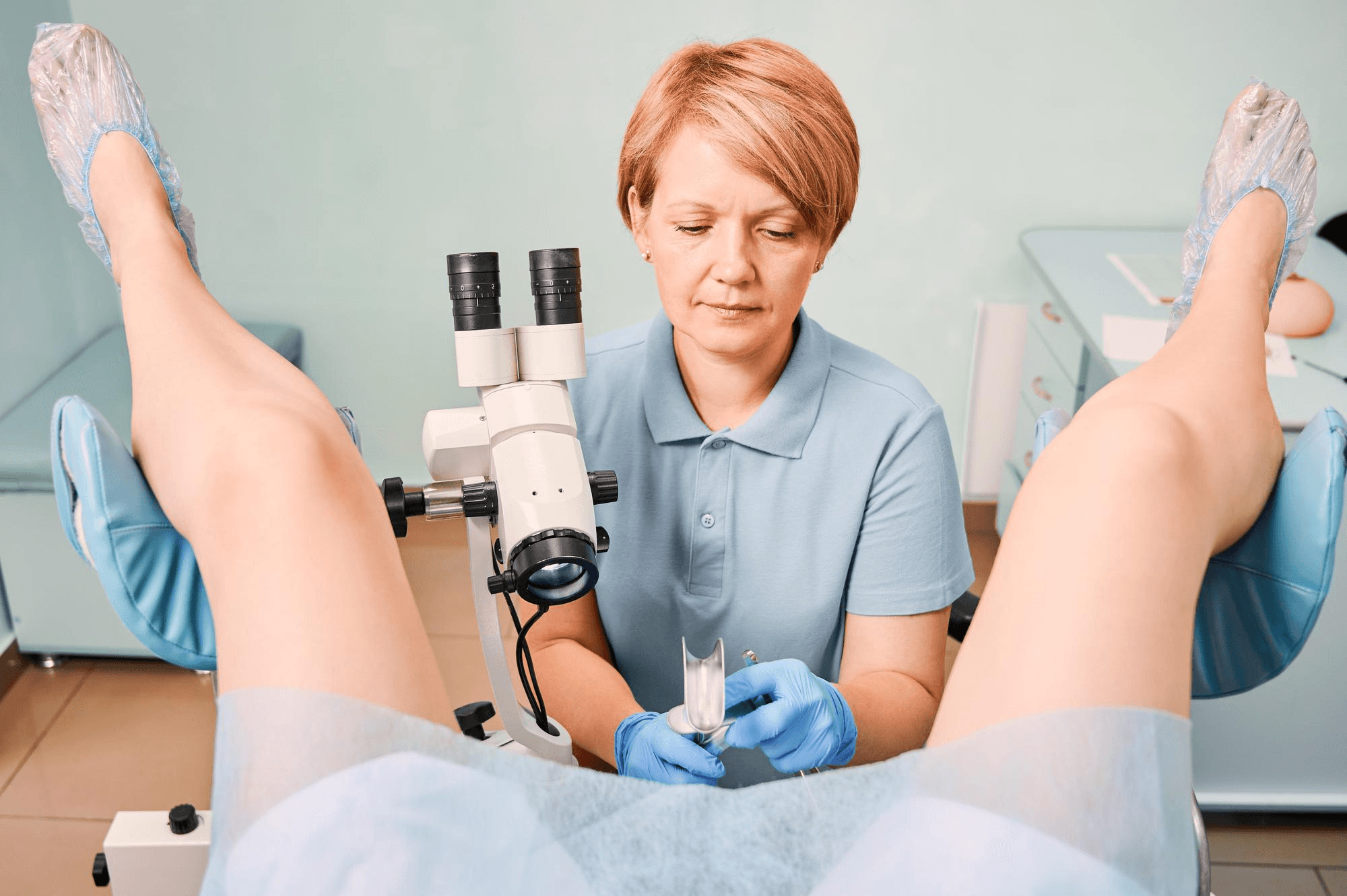
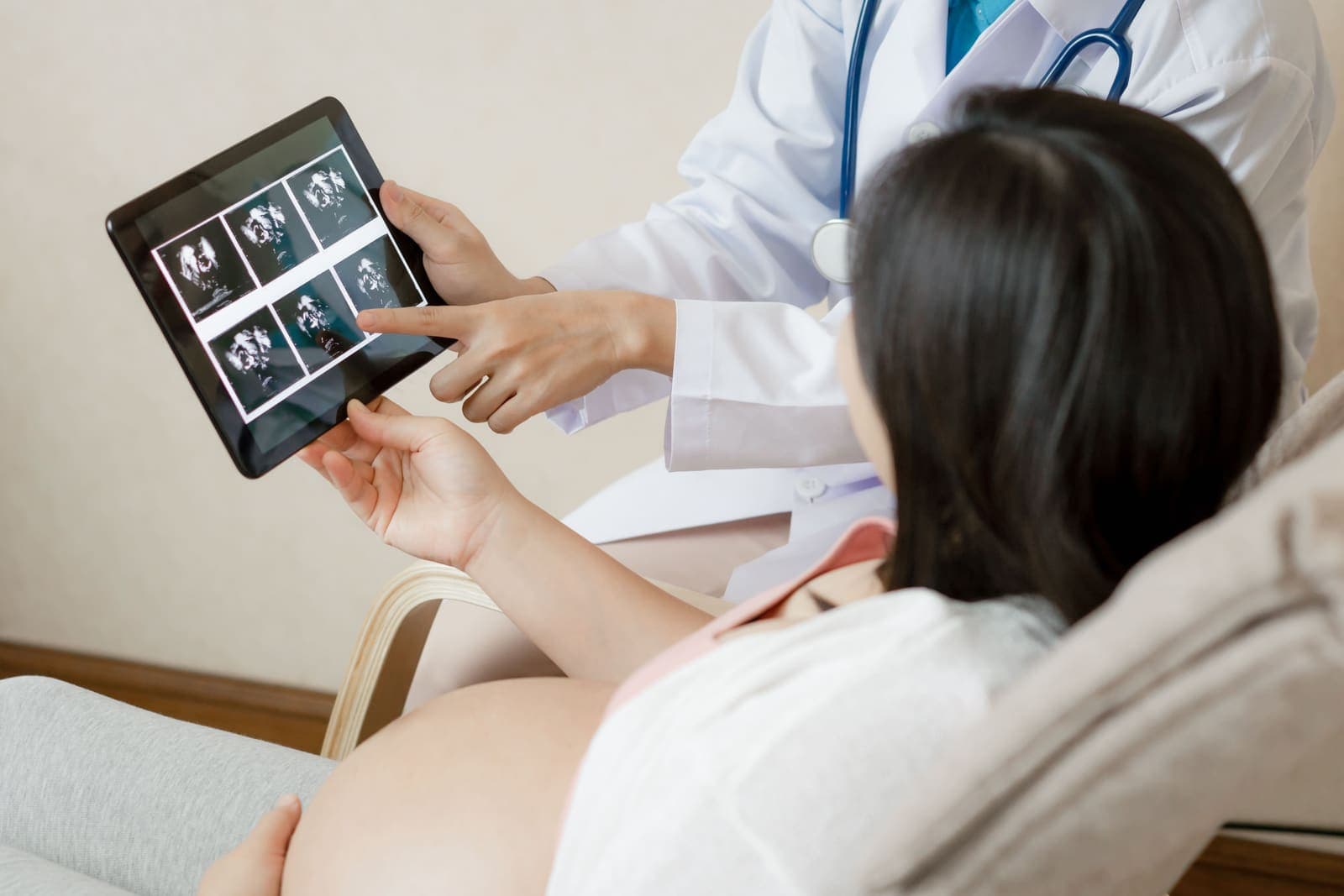
A pregnant woman meets her gynecologist at the hospital to talk about anaemia.
India has one of the highest rates of pregnancy anaemia in the world. Estimates suggest that over half of pregnant Indian women are anaemic — a proportion that rises to 70% or more in some rural and lower-income populations. Even in urban Noida, anaemia in pregnancy is one of the most consistently encountered findings in antenatal care.
This matters because anaemia in pregnancy is not just a number on a blood test. Severe anaemia is one of the leading causes of maternal mortality in India. It increases the risk of preterm birth, low birth weight, postpartum haemorrhage, and maternal death from blood loss at delivery. It causes chronic fatigue, breathlessness, and reduced ability to fight infections throughout pregnancy.
And it is, in most cases, preventable and treatable.
Dr. Shachi Singh, consultant obstetrician at Prakash Hospital, Sector 33, Noida, explains the types of pregnancy anaemia, what the haemoglobin levels mean, and what treatment looks like in practice.
What Anaemia in Pregnancy Means
Anaemia is defined as a haemoglobin (Hb) level below normal. In pregnancy, the thresholds are:
- First trimester: Hb below 11.0 g/dL
- Second trimester: Hb below 10.5 g/dL
- Third trimester: Hb below 11.0 g/dL
The World Health Organization classifies anaemia severity as:
- Mild anaemia: Hb 10.0 to 10.9 g/dL
- Moderate anaemia: Hb 7.0 to 9.9 g/dL
- Severe anaemia: Hb below 7.0 g/dL
During pregnancy, blood volume increases by 40 to 50% — but the increase in red cell mass (the actual iron-containing cells) is smaller. This creates a relative haemodilution — haemoglobin appears lower even when iron stores are adequate. This is a normal physiological change. True anaemia occurs when haemoglobin falls below the thresholds above after accounting for this dilution.
Types of Anaemia in Pregnancy
1. Iron Deficiency Anaemia — by far the most common
Iron is required to produce haemoglobin — the protein in red blood cells that carries oxygen. In pregnancy, the demand for iron increases dramatically: the growing baby and placenta require iron, blood volume expands, and iron stores are depleted at an accelerated rate.
The daily iron requirement in pregnancy is approximately 27 mg — nearly double the non-pregnant requirement. Most Indian diets, particularly vegetarian diets, provide significantly less than this.
Iron deficiency anaemia develops in stages:
- Iron stores (reflected by serum ferritin) are depleted first
- Available iron for red blood cell production falls
- Haemoglobin drops
By the time haemoglobin is low, iron stores have been depleted for some time. This is why serum ferritin — not just haemoglobin — is an important test. A woman with a haemoglobin of 11.5 g/dL but a ferritin of 8 ng/mL is iron-depleted and will become anaemic as pregnancy progresses.
Blood picture: Microcytic (small) red blood cells, hypochromic (pale) cells, low MCV, low MCH.
2. Folic Acid Deficiency Anaemia
Folic acid (folate) is a B vitamin required for DNA synthesis and cell division — including the rapidly dividing red blood cells. Pregnancy significantly increases folate requirements. Folic acid deficiency produces megaloblastic anaemia — large, immature red blood cells that do not function normally.
Folic acid deficiency also causes neural tube defects in the developing fetus — which is why folic acid supplementation before conception and in early pregnancy is critical for fetal development, not just maternal haemoglobin.
Blood picture: Macrocytic (large) red blood cells, elevated MCV.
3. Combined Iron and Folate Deficiency
Both deficiencies coexisting — common in India. The blood picture may be mixed (normocytic), making laboratory interpretation less straightforward.
4. Other Causes
Less common but worth identifying in women who do not respond to iron and folate supplementation:
- Vitamin B12 deficiency: Particularly relevant in strict vegetarians and vegans. Produces megaloblastic anaemia similar to folate deficiency. Treated with B12 supplementation.
- Thalassaemia: A genetic condition affecting haemoglobin structure. Women with thalassaemia trait (minor) are often mildly anaemic throughout life and have microcytic red cells that do not respond to iron supplementation. Iron overload from excessive iron treatment in women with thalassaemia is a real risk.
- Haemolytic anaemia and sickle cell disease: Less common, but significant. Any woman with known haemoglobin disorder requires specialist antenatal management.
How It Is Diagnosed
A complete blood count (CBC) with peripheral blood smear is the starting investigation. Key values:
- Haemoglobin — the headline number
- MCV (mean corpuscular volume) — small cells indicate iron deficiency; large cells indicate folate/B12 deficiency
- MCH (mean corpuscular haemoglobin) — low in iron deficiency
Serum ferritin: The most sensitive test for iron stores. Below 30 ng/mL indicates depleted iron stores even before haemoglobin falls.
Serum folate and B12: Where macrocytosis or poor response to iron supplementation suggests a different cause.
Haemoglobin electrophoresis: To identify thalassaemia or sickle cell disease in women with persistent microcytic anaemia that does not respond to iron.
Treatment
1. Oral Iron Supplementation
The standard first-line treatment for iron deficiency anaemia in pregnancy. Iron is most commonly available in India as:
- Ferrous sulphate: 200 mg tablets (containing 65 mg elemental iron). Standard dose: 1 tablet twice daily.
- Ferrous ascorbate: Better tolerated, with Vitamin C improving absorption. Available in various formulations.
- Ferrous gluconate: Gentler on the stomach, slightly less elemental iron per tablet.
For best absorption:
- Take on an empty stomach (30 to 60 minutes before meals) — absorption is significantly higher than with food
- Take with Vitamin C (a glass of orange juice, amla juice, or lemon water) — Vitamin C dramatically increases non-haem iron absorption
- Avoid taking with tea, coffee, dairy, or calcium tablets — these significantly reduce iron absorption
Side effects: Constipation, nausea, dark/black stools. Constipation is the most common complaint — adequate water intake, dietary fibre, and a stool softener when needed manage this. The black stools are normal and harmless.
Response to treatment: Haemoglobin typically rises by approximately 1 g/dL per week with adequate oral iron supplementation. A woman presenting at 28 weeks with Hb 8.5 g/dL needs several weeks of consistent oral iron to build back to an acceptable level before delivery.
2. Folic Acid Supplementation
400 micrograms (0.4 mg) daily is the standard dose for all pregnant women from before conception through the first trimester (for neural tube defect prevention). Women with anaemia due to folate deficiency, or at higher risk of deficiency, take 5 mg daily throughout pregnancy.
3. Intravenous Iron
When oral iron is insufficient — either because absorption is poor, side effects are intolerable, the anaemia is severe with limited time before delivery, or the woman is not responding as expected — intravenous iron is the next step.
IV iron preparations available in India include iron sucrose and ferric carboxymaltose. IV iron is given as a slow infusion (30 to 60 minutes) in a hospital or clinic setting, with a 30-minute observation period afterwards.
Advantages of IV iron:
- Bypasses gut absorption entirely — directly replenishes iron stores
- Produces a faster, more reliable rise in haemoglobin
- Particularly effective in the third trimester when there is limited time for oral supplementation to work
- Better tolerated than oral iron for women with significant GI side effects
A single dose of ferric carboxymaltose can deliver the entire required iron dose in one session — increasingly used in severe third-trimester anaemia in India.
4. Blood Transfusion
Reserved for severe symptomatic anaemia (Hb below 6 to 7 g/dL) with symptoms, or in the context of active bleeding. Not used routinely for iron deficiency anaemia that can be treated with IV iron.
Prevention: Why It Starts Before Pregnancy
India's anaemia burden in pregnant women reflects anaemia burden in women of reproductive age generally. Many women enter pregnancy already iron-depleted. The Government of India's Weekly Iron and Folic Acid Supplementation (WIFS) programme for adolescent girls exists precisely because building iron stores before pregnancy is the most effective preventive strategy.
For any woman planning pregnancy:
- Start folic acid 400 mcg daily at least 1 to 3 months before conception
- Get a haemoglobin check and treat any anaemia before pregnancy begins
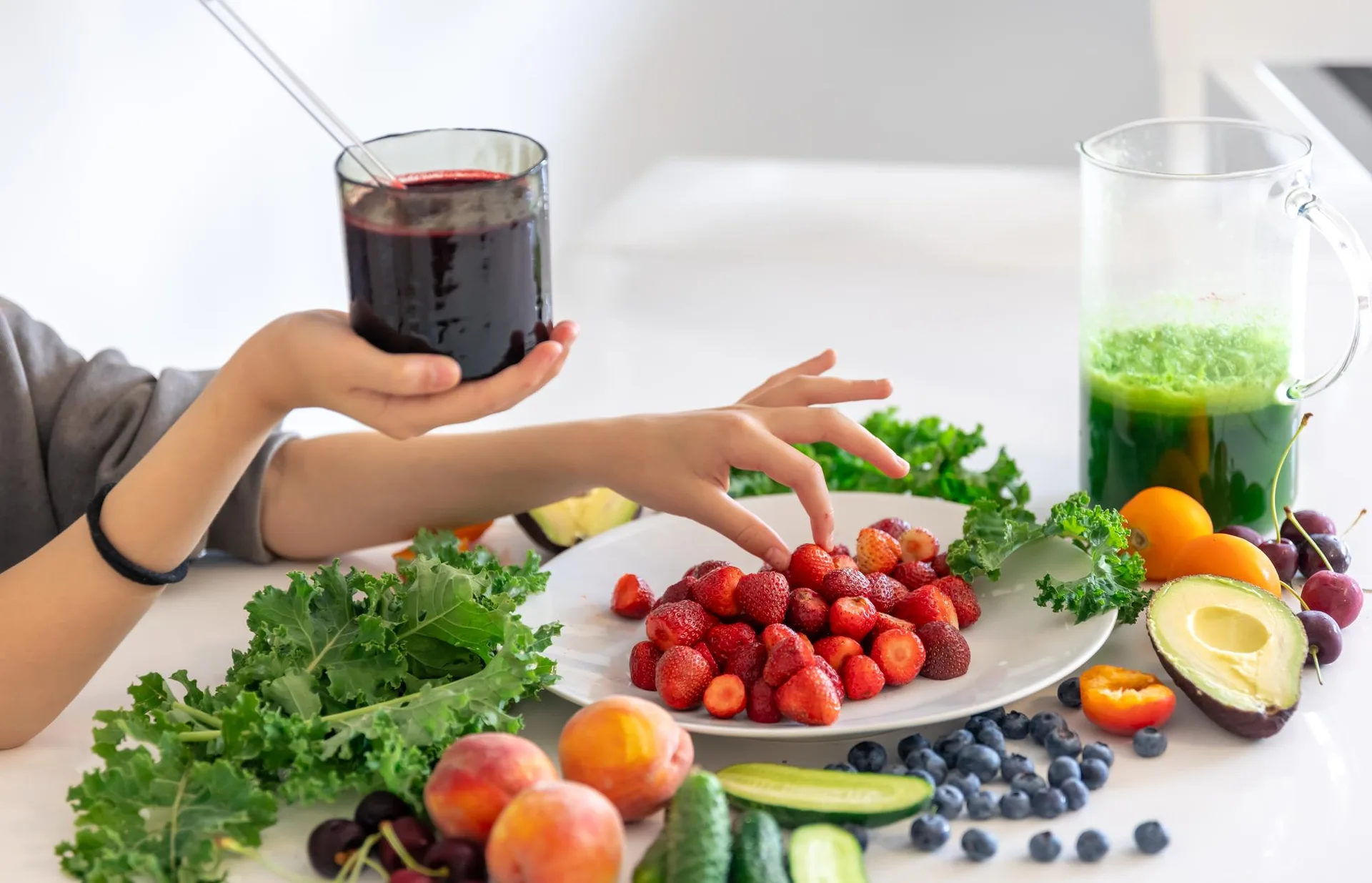
- Ensure a diet with adequate iron-containing foods: green leafy vegetables (palak, methi), lentils and dals, rajma, black chana, dates, jaggery, sesame seeds, and animal sources where culturally acceptable (chicken, fish, eggs, red meat)
Antenatal Care in Noida and Greater Noida
Dr. Shachi Singh at Prakash Hospital, Sector 33, Noida, monitors haemoglobin and iron stores as a standard part of antenatal care for women across Noida and Greater Noida — with proactive treatment of anaemia including IV iron when indicated, to ensure women reach delivery with adequate haemoglobin.
To book a consultation with Dr. Shachi Singh, call: +91 97023 46853
Clinic Hours: Monday to Saturday, 9 AM – 6 PM | Sunday, 10 AM – 2 PM
Clinic Address: D-12A, 12B, Sector-33, G.B. Nagar, Noida, Uttar Pradesh 201301
Frequently Asked Questions
1. What is a normal haemoglobin level in pregnancy?
In the first and third trimesters, haemoglobin should be at or above 11.0 g/dL. In the second trimester, at or above 10.5 g/dL. Levels below these thresholds indicate anaemia requiring treatment.
2. How long does it take for iron tablets to work?
Haemoglobin typically rises by approximately 1 g/dL per week with consistent oral iron supplementation. However, replenishing iron stores (ferritin) takes much longer — usually several months after haemoglobin normalises. Iron supplements should be continued for at least 3 months after haemoglobin is corrected.
3. Can I get enough iron from food alone during pregnancy?
For most women, dietary iron alone is not sufficient to meet pregnancy requirements — the demand is simply too high. Iron supplementation is recommended for all pregnant women, in addition to an iron-rich diet.
4. What foods help with iron absorption?
Vitamin C dramatically increases non-haem iron absorption from plant sources. Eat iron-rich foods (dal, leafy greens, rajma, sesame) alongside Vitamin C sources (amla, lemon juice, orange, tomato). Avoid tea and coffee with or within an hour of iron-rich meals.
This blog is written for educational and informational purposes only. Please consult Dr. Shachi Singh or a qualified obstetrician for assessment and treatment specific to your pregnancy.