Interstitial Cystitis: When Bladder Pain Is Not a UTI

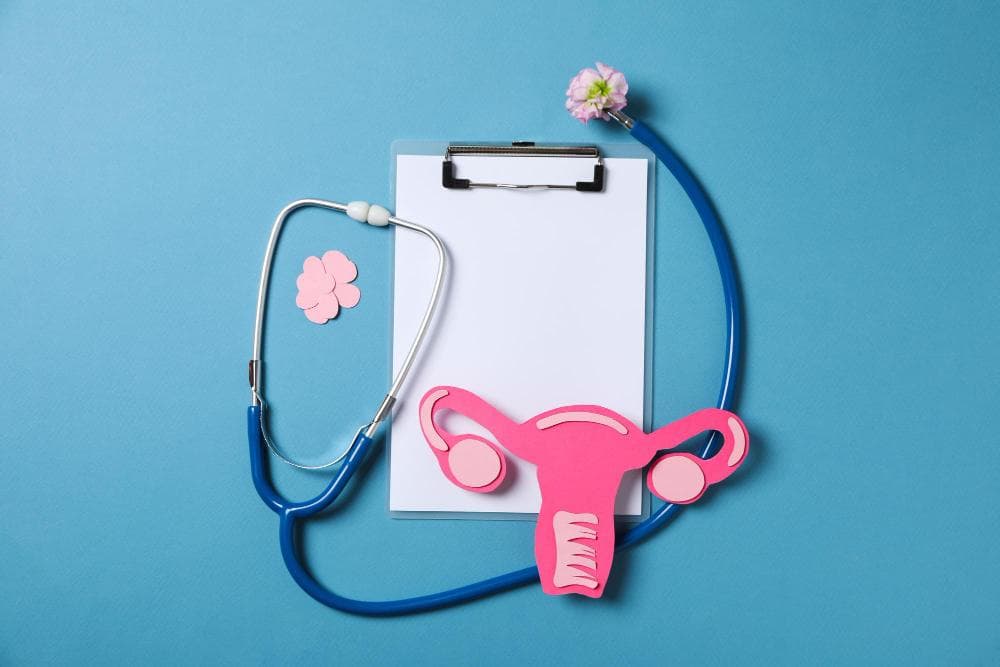
Woman visits a gynecologist to discuss the pain in the bladder .
Interstitial cystitis (IC) — also called bladder pain syndrome (BPS) — is a chronic condition causing pelvic and bladder pain, urinary urgency, and urinary frequency without the evidence of infection that would explain these symptoms. It is significantly more common in women than men, frequently misdiagnosed as recurrent urinary tract infection, and often treated with repeated courses of antibiotics that do nothing because there is no infection to treat.
Dr. Shachi Singh, consultant gynaecologist at Prakash Hospital, Sector 33, Noida, explains.
What Interstitial Cystitis Is
The bladder wall in IC is chronically inflamed — but not from bacteria. The exact mechanism is not fully understood, but involves:
- Deficiency or dysfunction of the glycosaminoglycan (GAG) layer lining the inner bladder wall — normally this layer is a protective barrier between urine (which is irritating) and the bladder's nerve endings. When the GAG layer is disrupted, urine irritates the bladder wall directly.
- Neurogenic inflammation — the bladder's sensory nerves become hypersensitised, producing pain and urgency at bladder volumes that would be entirely comfortable in a normal bladder.
- Autoimmune mechanisms — IC is associated with other autoimmune conditions (lupus, Sjögren's syndrome, fibromyalgia).
Symptoms
Bladder and pelvic pain: A chronic aching, pressure, or burning pain in the bladder area (lower abdomen, suprapubic region) or the pelvis more broadly. The pain characteristically worsens as the bladder fills and improves (at least partially) immediately after urination — a distinguishing feature from other pelvic pain conditions.
Urinary urgency: A persistent, often severe sense of urgency to urinate — not from a full bladder, but from the hypersensitised bladder wall reacting at low fill volumes.
Urinary frequency: Urinating very frequently — sometimes every 30 to 60 minutes in severe cases. The average IC patient urinates 16 to 18 times per day (versus a normal 6 to 8 times).
Pain during sexual intercourse: Particularly penetrative intercourse — the bladder is compressed and the pelvic floor is activated. Deep dyspareunia is common in IC.
Flare triggers: Certain foods and drinks reliably worsen IC symptoms — acidic foods (citrus, tomatoes, vinegar), caffeine, alcohol, spicy food, carbonated drinks, artificial sweeteners.
How IC Differs from UTI
This distinction is the most important clinically — and the most commonly missed
| Feature | UTI | Interstitial Cystitis | |---|---|---| | Urine culture | Positive (bacteria present) | Negative (no bacteria) | | Onset | Acute | Gradual, chronic | | Fever | Sometimes | No | | Response to antibiotics | Yes | No | | Duration | Days to weeks | Months to years | | Pain pattern | Constant burning | Worsens with bladder filling |
A woman with recurring "UTI" symptoms whose urine cultures are repeatedly negative — or who gets minimal relief from antibiotics — should be assessed for IC.
Diagnosis
IC is a clinical diagnosis — based on symptoms, exclusion of infection and other causes, and in some cases cystoscopy (looking inside the bladder) with hydrodistension.
Investigation:
- Urine microscopy and culture (to exclude infection)
- Pelvic ultrasound (to exclude other pathology)
- Cystoscopy under anaesthesia — the bladder is distended with water and the inner wall is examined for glomerulations (petechial haemorrhages characteristic of IC) or Hunner's lesions (ulcerations present in a minority but highly diagnostic subset)
- Potassium sensitivity test — instilling potassium solution into the bladder; IC patients report pain, normal bladders do not
Management
IC is not curable but is manageable
Dietary modification: Identifying and eliminating personal food triggers significantly reduces symptom burden. An IC elimination diet — avoiding acidic, caffeinated, and irritant foods and drinks for 2 to 4 weeks, then reintroducing to identify triggers — is a practical first step.
Bladder training: Gradually increasing voiding intervals trains the bladder to tolerate more volume before urgency becomes overwhelming.
Oral medications:
- Amitriptyline (tricyclic antidepressant at low dose) — reduces neurogenic pain and improves sleep
- Hydroxyzine (antihistamine) — reduces mast cell activity in the bladder wall
- Pentosan polysulfate sodium (Elmiron) — the only oral medication specifically licensed for IC; replenishes the GAG layer. Takes 3 to 6 months for effect.
Intravesical treatments: Instilling solutions directly into the bladder via catheter — lidocaine with sodium bicarbonate and heparin, or DMSO — provides direct local effect.
Pelvic floor physiotherapy: Hypertonic pelvic floor muscles are extremely common in IC, contributing to pelvic pain and urgency. Physiotherapy addressing pelvic floor hypertonia is an important part of management.
Cystoscopy with hydrodistension and Hunner's lesion treatment: Hydrodistension (distending the bladder to high volume under anaesthesia) provides temporary symptomatic relief in many patients. Hunner's lesions are treated with laser or electrocautery at the same procedure.
Gynaecological Care in Noida and Greater Noida
Dr. Shachi Singh at Prakash Hospital, Sector 33, Noida, assesses chronic pelvic and bladder pain — including evaluation for interstitial cystitis — for women across Noida and Greater Noida.
To book a consultation with Dr. Shachi Singh, call: +91 97023 46853
Clinic Hours: Monday to Saturday, 9 AM – 6 PM | Sunday, 10 AM – 2 PM
Clinic Address: D-12A, 12B, Sector-33, G.B. Nagar, Noida, Uttar Pradesh 201301
This blog is for educational purposes only. Please consult Dr. Shachi Singh for assessment specific to your symptoms.